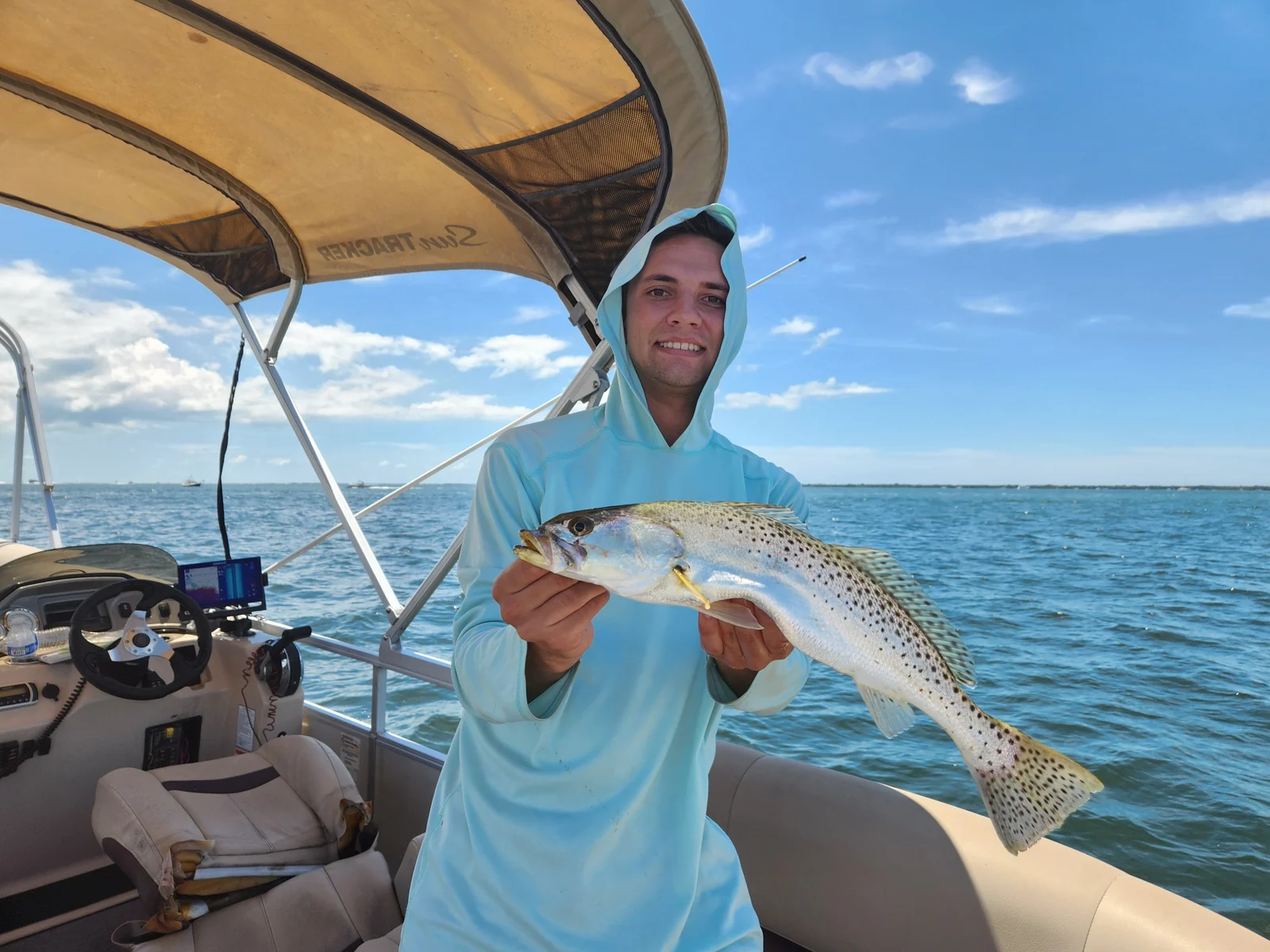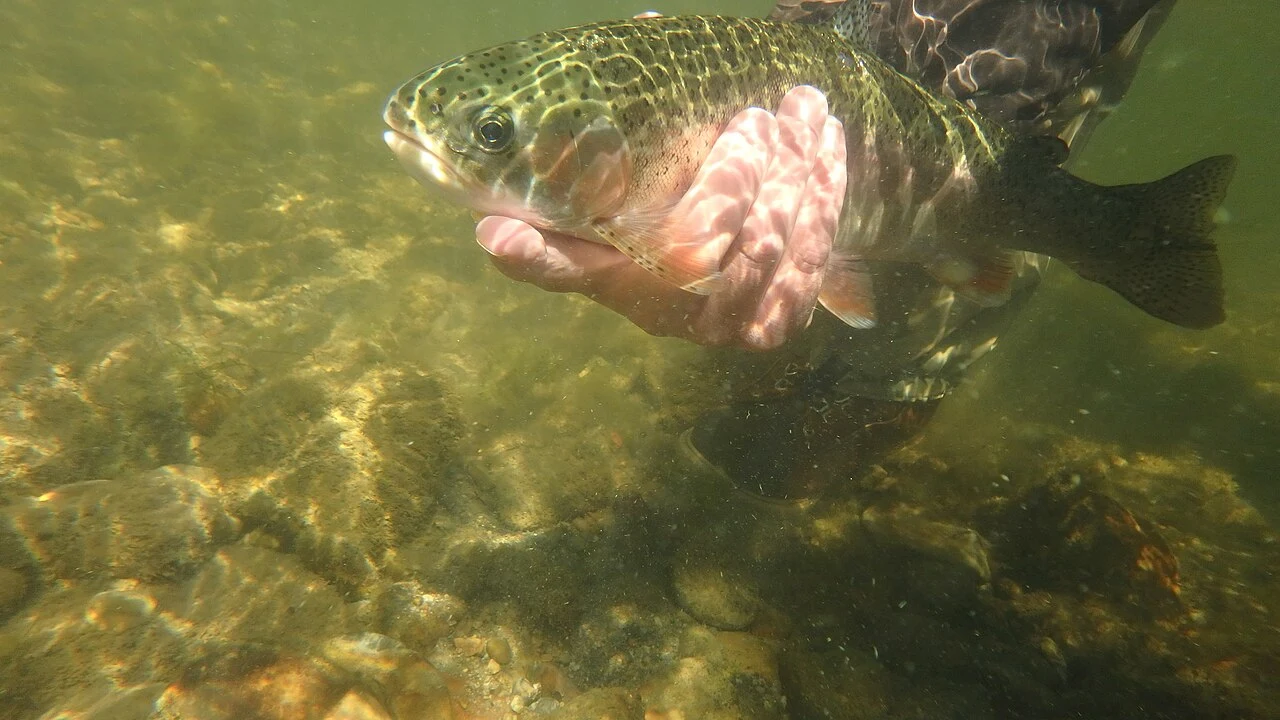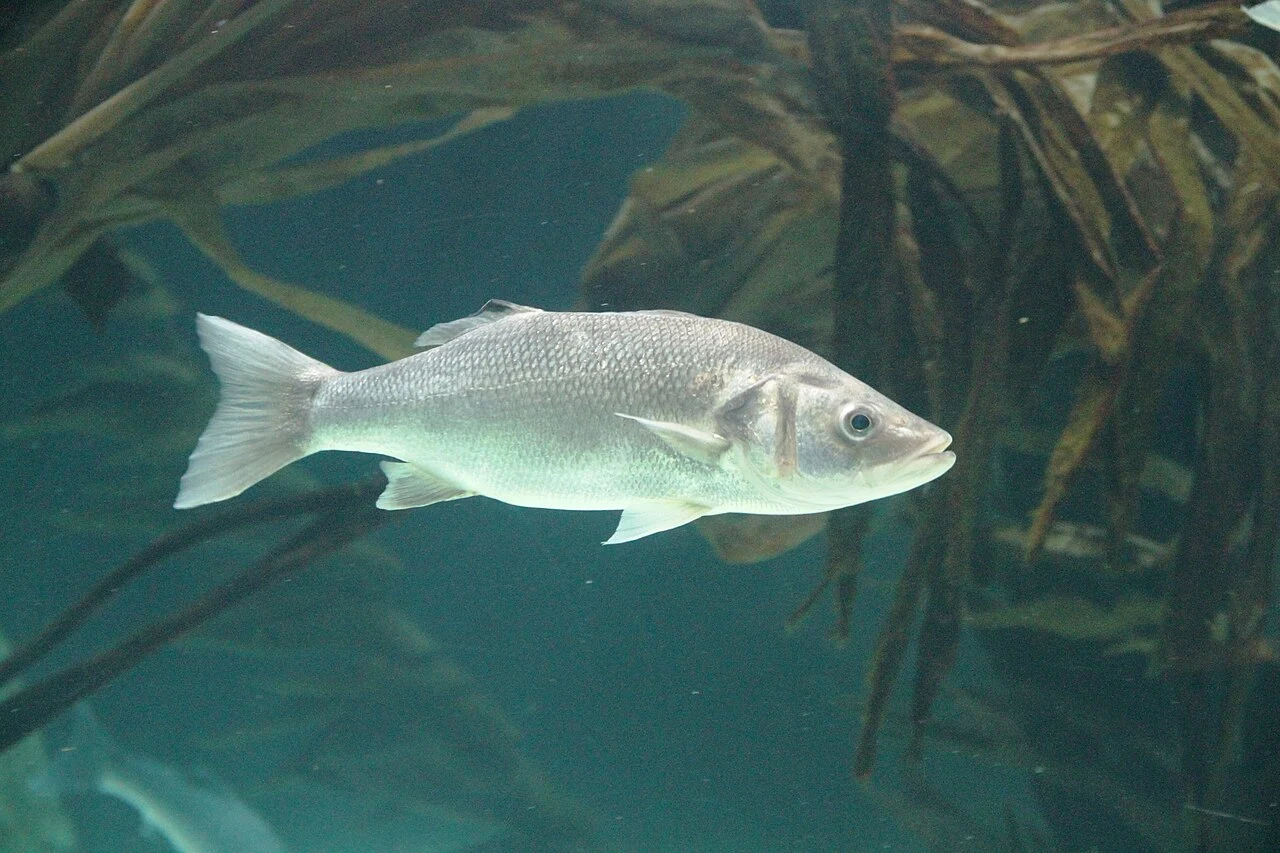
The Algarve offers several very different shore-fishing environments within a short drive: open Atlantic beaches, sheltered southern bays and tidal lagoon entrances. For a November or December seabass trip, choosing a safe, legal stretch of coast matters more than packing every lure you own. This guide builds an open-coast session around European seabass, Dicentrarchus labrax, known locally as robalo-legítimo.
Late autumn and winter are a planning window, not a promise of a peak bite. Fish movements, water clarity, prey and the sequence of weather systems can change the value of a mark. FAO describes a species using shallow coastal and estuarine habitats, with seasonal movements that vary across its range. It does not establish a single Algarve winter catch calendar. The opening image is an AI-generated fishing illustration, not a photograph of this destination or a species-identification reference.
Choose an environment before choosing a lure
For a first visit, start with an accessible sandy beach on the south coast where you can stay on dry ground with a clear retreat. A beach selected for one wind direction may become unsuitable when that direction changes. The western Algarve faces a different exposure; a calm-looking southern bay tells you little about conditions around Cape São Vicente.
Look for variation within casting range. A darker strip parallel to shore may indicate a gutter; uneven breaking waves can reveal a sandbar with a deeper gap. Watch several wave sets before deciding what you are seeing. Colour alone also changes with cloud, weed and sediment, so treat each observation as a hypothesis. A trough that holds moving water can provide a useful lure path without requiring a long cast.
Estuary mouths combine current and food opportunities with navigation, protected-area and access complications. They are not beginner wading locations. This article's worked session stays on an open beach rather than treating Ria Formosa, a harbour entrance or the international Guadiana as interchangeable water. Each has its own jurisdictional questions. An attractive channel visible on a map is not confirmation that fishing or access is permitted.
Complete the Portugal-specific checks
Rules were checked on 20 October 2026. DGRM lists an apeada licence for shore fishing; foreign visitors should use the BMar process or the competent DGRM/regional service rather than assume a foreign bank card can obtain the appropriate licence at an ATM. Arrange it before your first session and carry the required identification and licence evidence.
The DGRM minimum-size table dated 26 February 2026 lists 36 cm for European seabass. Measure correctly and return undersized fish immediately; a minimum size does not establish permission to fish in every place or to retain an unrestricted quantity. Check the current daily catch rules and any species-specific restrictions before deciding to keep fish. Do not import a northern European bass bag limit or seasonal closure into the Algarve merely because a website calls it an EU rule.
There is also a current reporting duty that older travel advice can miss. DGRM identifies European seabass among the species requiring electronic catch registration/reporting through RecFishing under the system effective from 10 January 2026. Prepare the account and read the current instructions before fishing from shore. Record the information requested for your catches, including the retained/released categories the application requires; do not assume releasing a bass removes reporting obligations.
Check local Capitania notices, the current protected-area plan and any posted restrictions for the actual coordinates. DGRM's zone guidance is a starting point. At Pedra do Valado, the adopted 2024 instrument includes a transition tied to publication of the park's Special Programme; it is unsafe to turn a short FAQ entry into a blanket statement about today's authorization status. Confirm the current position with ICNF. Inside Ria Formosa, use its current specific rules rather than this open-coast setup. A national licence never grants access through private land or overrides a closure.
A manageable lure outfit
These are practical starting specifications, not mandatory legal tackle or a claim that one combination suits every beach:
- A 2.7–3.0 m spinning rod rated roughly 10–40 g, matched to a 3000–4000-size saltwater-capable reel.
- About 15–20 lb braid with a 1–1.5 m abrasion leader around 0.30–0.40 mm; inspect it frequently and increase abrasion resistance if the ground requires it.
- Shallow-running minnows around 100–140 mm, soft shads around 90–120 mm and a few compact metals around 15–30 g.
- Pliers, cutters, a measuring board, a suitable landing net where usable, a small rubbish bag and spare leaders.
Use the rod's actual casting specification, including the total weight of the rig. Leader diameter affects abrasion tolerance and presentation; it is not a substitute for a reliable knot or a sensible landing place. Test the connection before casting and set the drag so a fish can take line without the rod being held at a dangerously high angle.
Carry three useful lure functions: something shallow for a gutter, something you can count down and something compact for a headwind. A box of nearly identical colours is less useful than those differences. Fit appropriately sized strong hooks; where the lure remains balanced, single hooks or crushed barbs can simplify release. Hook changes can alter buoyancy and action, so test them in clear, accessible water before committing to a long cast.
Work the beach in deliberate passes
Begin with short casts along the near edge of the gutter rather than immediately throwing beyond it. Keep the rod low enough to reduce wind bow while maintaining clearance from the shore break. Retrieve a shallow minnow steadily, then add a brief pause only if it will remain clear of the bottom. Watch the line: a strong sideways bow can make a lure appear to be working while contact has been lost.
After a few controlled casts, change the angle. Cast diagonally so the lure spends more of its retrieve following the feature instead of crossing it once. A small step on safe dry sand can produce a different path; moving into the surf is not necessary. Fan the water systematically and note where the lure begins to drag or pick up weed.
With a soft shad, begin with a modest head, perhaps 7–14 g in manageable conditions, and use enough weight for controlled depth rather than permanent bottom contact. Rig the body straight. Count down briefly, retrieve slowly and occasionally lift the lure clear of sand. If every cast snags, reduce depth or change position. If contact remains impossible, conditions may be unsuitable for that presentation; adding weight endlessly is not a solution.
A compact metal can cover more distant water, but distance should answer a question. Use it when a visible feature or prey activity lies farther out, staying within the rod rating. Retrieve it through a chosen layer rather than blindly grinding the bottom. Alternate depth and angle before changing colour. If birds show activity, observe from a distance and avoid casting through them or across other anglers.
A simple bait alternative
Where natural bait is legal, a single-hook running ledger is a manageable option on clean sand. Use a suitable surf rod rather than overloading the lure rod, a sliding lead with a safe buffer/swivel arrangement, a roughly 0.35–0.45 mm hooklength and a strong hook approximately size 1/0–3/0 matched to the bait. Worms or modest fish strips obtained lawfully can be considered; bait collection has its own restrictions.
Choose only enough lead to hold the intended presentation, using a rod and casting leader suitable for its weight and the casting method. If uncertain about heavy surf casting, have a local tackle shop or instructor check the setup. Keep bystanders well outside the casting area. With a circle hook, maintain gentle contact and allow the line to load rather than making a violent strike.
Check bait regularly for weed and crabs. A buried hook point or a ball of weed is a failed presentation regardless of how attractive the tide looks. One attended rod teaches more than several poorly watched rods. Local limits can be stricter than national limits, particularly in inner waters; this recommendation is not permission to add more lines.
Tide and weather: build an exit plan
Use the appropriate tide prediction for your location, but separate tidal height from current speed. High water does not automatically mean slack current at an inlet. For an open-beach introduction, select a manageable tidal range and a time when you can see the route and retreat before water reaches access pinch points. Do not assume a low-tide walk remains passable on the return.
IPMA provides coastal wind, waves and swell information, including Faro. Check the relevant forecast location and warnings rather than using a distant city weather icon. Compare direction and wave period as well as height; a forecast is not a safe-standing-level guarantee. Leave exposed beaches, breakwaters and rocks when warnings or observed wave reach make them unsafe. A life jacket helps but does not make a wave-washed position acceptable.
The Maritime Authority's winter safety guidance warns that waves can reach apparently safe places. Avoid cliff bases and unstable edges, fish with someone, keep communication protected and tell a contact your plan. Never climb down after a lure. For a first session, daylight and dry-ground fishing are deliberate advantages, even if someone recommends a night tide.
Land, release and learn
Decide where the fish will come ashore before the bite. Use a net where practical and avoid lifting a fish by the leader or dragging it across dry sand. Wet hands, control the hooks and support the fish horizontally. Keep it in the water for unhooking when safe; do not enter dangerous water to perform a release. If deeply hooked, avoid prolonged digging and cut the leader close when that is the least damaging practical option.
For a three-day visit, use day one to verify licence/reporting and scout two legal beach options. Fish a short daylight session on day two, recording tide stage, wind direction, clarity, weed and effective lure depth. Revisit the better option on day three only if conditions and access remain suitable. Keep a non-fishing alternative for rough weather.
The useful outcome is a repeatable decision process: legal water, safe standing ground, a specific feature and a controlled presentation. A blank session can still reveal whether a beach is fishable on that wind or whether your chosen lure reaches the gutter. Preserve those observations, complete required catch reporting and leave the coast cleaner than you found it.