Asia contains too many climates and fishing traditions for one meaningful best season. A more useful first decision is between a cold-water freshwater lesson, a tropical lake trip and a saltwater charter. This guide compares Lake Akan in Japan, Kenyir Lake in Malaysia and the sailfish fishery at Kuala Rompin. It explains how to plan and learn in each setting without assuming they belong in one rushed itinerary.
Lake Akan: begin with presentation and access
The Japan National Tourism Organization identifies Lake Akan in eastern Hokkaido as a fly-fishing destination and highlights spring and autumn windows. Its general autumn description includes mid-October through late November. That is a useful seasonal lead as October approaches its end, but it does not replace the exact local fishing calendar, permit conditions or a weather check. Target species and open sections must be confirmed for your dates.
For a first trip, stay near the water you intend to learn and ask a guide for a session focused on reading a lake edge and controlling a presentation. Tell them whether you can cast a fly, whether you have used waders and how much walking you can comfortably do. Cold weather and short daylight make an ambitious access plan less forgiving than it looks on a map.
A representative bank-fishing outfit to discuss is a 9-foot, 6-weight fly rod, matching reel and floating line, with a leader chosen for the actual fly and fish. This example is not a universal Lake Akan prescription: wind, depth and method may require another line or outfit. Borrow or hire the recommended equipment before buying unfamiliar specialist gear.
Work a reachable piece of water methodically. Cast across an accessible edge, allow a repeatable sink interval if fishing a subsurface fly, then retrieve while keeping contact. Compare a short slow retrieve with a slightly quicker one. If a fish follows, note where it appeared and the depth rather than immediately replacing every fly. If the line tangles, shorten the cast and practise clearing it before aiming farther.
Kenyir: choose a target before choosing tackle
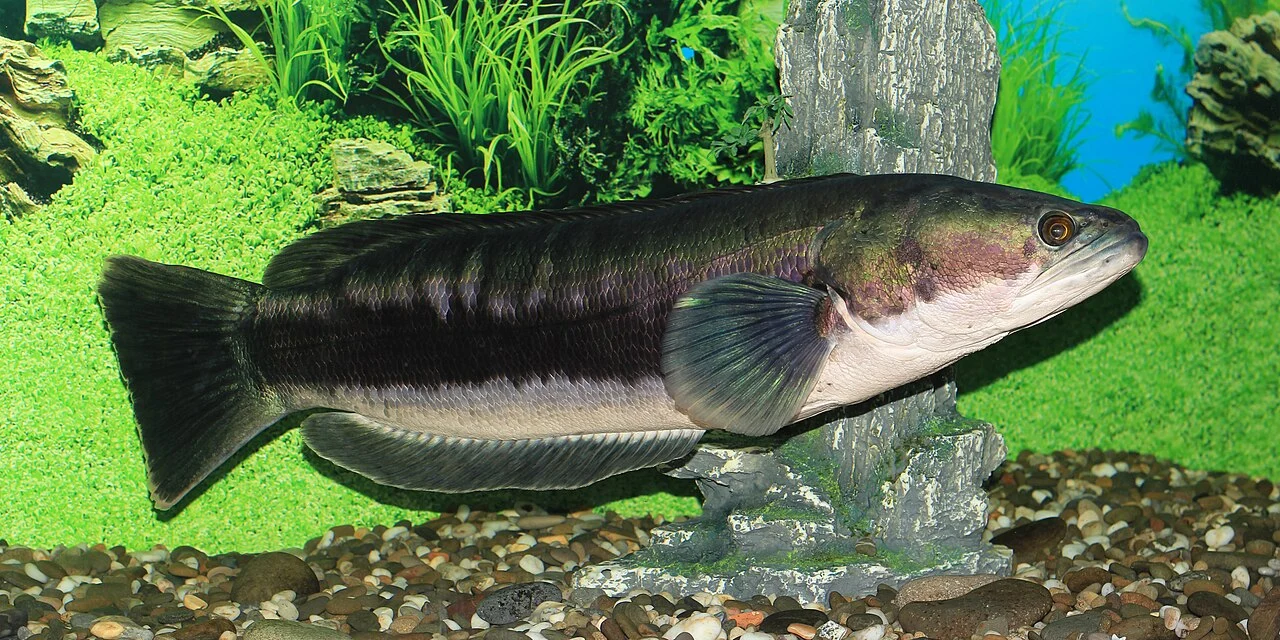
KETENGAH, the Central Terengganu Development Authority, lists toman and sebarau among Kenyir's freshwater species and identifies designated fishing areas. Its guidance also refers to permits for private boat operators. Ask which authorisations cover the boat and visiting anglers and which parts of the planned route lie within protected or restricted areas. An expanse of open water on a map is not an invitation to enter every tributary.
Kenyir's submerged timber makes lure control and landing preparation important. For sebarau casting away from heavy cover, a medium spinning outfit with roughly 10–20 lb braid is an example for discussion. For large toman near timber, the guide may specify substantially heavier tackle and leaders. These are different fishing problems; do not pack only a delicate trout outfit and expect it to do both.
Begin by asking the guide to explain the intended lure path. Is it passing beside timber, along a bank or through an opening? Cast within a distance at which you can stop it short of branches, remove slack and start the retrieve. A controlled cast close to cover is usually a more useful lesson than a spectacular cast that cannot be retrieved. If you snag, tell the skipper rather than leaning out or pulling a loaded rod toward your face.
Change one variable at a time: retrieve speed, running depth or casting angle. Note where a strike or follow happens. Stay within the boat's casting arrangement and keep unused hooks covered. Have the guide handle unfamiliar fish and decide where a safe release can take place.
Kuala Rompin: understand a billfish day
Tourism Malaysia promotes Rompin's billfish event with a catch-and-release emphasis. That is a useful prompt to scrutinise a charter's everyday practices, not proof that every operator follows the same standard. Ask how fish are hooked, controlled beside the boat and released, and whether the crew will keep sailfish in the water for photography.
This is usually a crew-led boat experience, not a test of how much tackle you bring from home. Request suitable supplied gear and a demonstration of the reel controls before the first bait is deployed. Explain whether you have fought a large fish or used a lever-drag reel. Ask which actions the crew wants at the bite; the response depends on the rig and hook design.
During the fight, stay balanced and follow the crew's directions for moving around the boat. Recover line as the fish allows without cranking pointlessly against a slipping drag. Keep fingers away from the spool and never wrap line around a hand. Once the fish approaches, stop at the crew's instruction and let the trained handler manage the leader and bill. A planned in-water photograph is preferable to a prolonged deck pose.
The approaching season is not the same in both countries
METMalaysia describes the northeast monsoon as generally November–March, bringing heavier rain to the east coast of Peninsular Malaysia and sometimes strong winds and rough seas. That makes the approaching period a reason to check Rompin operating plans carefully, rather than advertising winter as a universal hot season. Kenyir is inland, but heavy rain, storms and changing lake conditions still affect access and boat plans.
For Hokkaido, confirm the exact fishery's closing dates and cold-weather arrangements. For Malaysia, ask about current road access, recent rain and the marine or lake forecast. There is no contradiction in one destination moving toward a useful window while another becomes more weather-limited.
Build a realistic first itinerary
Choose one main fishery for the fishing part of your holiday. An example four-night structure is arrival and preparation, one guided learning day, a flexible sightseeing or weather day, and a second session that repeats the useful method. Transfer time belongs in the itinerary: neither a domestic flight nor a drive should be treated as a minor gap between two full fishing days.
Before paying, obtain the meeting location, actual hours on the water, included tackle, guide language, group size and cancellation terms. If you need a toilet aboard, easier boarding or shorter walking distances, ask directly before the booking is made.
Leave with skills you can repeat
Common mistakes include mixing incompatible tackle, choosing a destination from a species list alone and letting a fixed travel schedule overrule the forecast. Solve them by agreeing one main method, hiring locally appropriate equipment and keeping a viable alternative day.
Photograph the rig while it is safely on land, record what changed when the guide moved or adjusted depth, and clean and dry equipment before travelling between waters. Keep sensitive locations private. Understanding why one presentation worked is a stronger foundation for exploring Asia than collecting many destination names.