Make bottom contact readable
A pouting rig should tell you when it reaches the ground and let you lift it clear again. If the lead is dragging sideways through every gap, a larger bait will not solve the problem. Begin with a compact offering, a short hook snood and a drift that keeps the line reasonably upright.
Dunmore East is a documented boat-angling base on Waterford's coast. This guide is a preparation plan for a suitable weather window, including the colder months. Confirm boat availability with a local skipper because the older destination description emphasises the April–September charter period. It is not evidence that a particular boat is operating in November. Every tackle weight, depth band and session timing below is a practical starting suggestion.
Recognise pouting rather than a generic small codfish
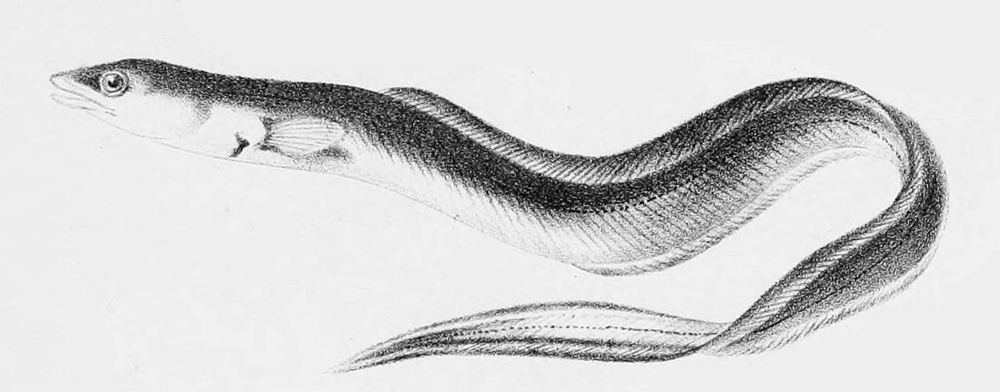
Pouting, also called bib, is Trisopterus luscus. Look for a deep body, a long chin barbel, three dorsal fins, two anal fins and a dark patch at the pectoral-fin base. The coppery sides may have pale vertical bands, although older fish can lose conspicuous banding.
Poor cod are generally slimmer and more plainly coloured. Haddock have a shorter barbel and a different overall pattern. Neither a chin barbel nor the label small cod is enough for identification. Check the whole fish before assigning a species or applying a retention rule.
Pouting occur around Britain and Ireland and more widely in European waters. They use mixed rock-and-sand bottom and are associated with wreck structure. Their food includes crustaceans, worms, molluscs and small fish. Small natural baits can therefore be useful without copying the size of a bait intended for a much larger conger.
Start with the verified local ground
Inland Fisheries Ireland describes mixed-ground boat fishing between Red Head and Falskirt Rock off Swines Head, in water up to about 20 m, and includes pouting among the species recorded. That is a local planning reference, not a current aggregation report. Let the skipper choose a lawful drift and assess which part is fishable in the conditions.
Dunmore East is a working harbour. Keep gear away from commercial operations and obtain the necessary launch or boarding arrangements. Do not interpret the presence of a slipway as permission to launch at any time or park across a quay. A managed boat trip removes several of those practical uncertainties.
Begin on the cleaner margin of mixed ground rather than dropping immediately into the roughest return on the sounder. A strip of sand beside rock can hold food while giving the sinker somewhere to land. The fish may be near structure, but the tackle does not need to sit inside it.
A wreck is a separate proposition from the relatively shallow ground described here. Snag risk, depth, tide and anchoring demands change. Do not extrapolate the light example into deep wreck fishing without the skipper's tackle and handling plan.
Drift, depth and tide
Try a manageable 10–20 m drift where the skipper identifies suitable bottom. That is an initial working band for this local example, not the species' full depth range. In deeper water or stronger current, line drag can matter more than the sinker's weight alone.
Lower the rig under control with the boat's drift in mind. If the line streams well away from vertical, you may touch bottom far behind the boat and then drag the hook through rock. Retrieve and reset the drift instead of feeding out ever more line. A shorter, more vertical presentation is easier to repeat.
Around a turn of tide the rig may remain readable with less lead. That is a tackle-control opportunity, not a guaranteed feeding peak. If current becomes too strong for the chosen weight, the skipper can select a more sheltered or cleaner area. Increasing lead without checking the rod rating is not a complete solution.
Low light may suit some feeding situations, but a daylight boat session makes rig control and landing easier. There is no dependable local clock-based bite window established by these sources. Compare bottom type and presentation before attributing a result to the hour.
An outfit for the shallow mixed ground
Begin with a 1.8–2.1 m light boat rod suited to the total loaded rig, a 3000–4000 spinning reel or small multiplier, and 15–20 lb braid. Add approximately 1.5–2 m of 20–30 lb abrasion leader. Braid improves contact, while the leader protects the end tackle against some abrasion.
A light rod still needs enough power to lift the chosen sinker smoothly and steer a fish away from the ground. Very heavy tackle makes small bites less obvious. Check the manufacturer's rating and reduce the weight or change the drift if the outfit is overloaded.
Keep a landing net and pliers ready. With several anglers aboard, agree which direction each rig will enter the water. Uncoordinated drops can cross lines before any bait reaches bottom. Use one hook initially so that learning the drift does not involve untangling several baited snoods.
Rig one — a short single-hook paternoster
Use an approximately 80 cm rig body of 25–30 lb mono. Tie a small loop for the lead at the bottom and a short dropper loop about 30–40 cm above it. Connect a 15–25 cm snood of 15–20 lb mono to that dropper, ending in a strong size 2–1/0 J hook. Finish the top with a swivel.
Choose a 30–80 g sinker only where it gives controlled contact and the outfit can cast or lower the complete load safely. Boat fishing here is principally a controlled lowering exercise. A more streamlined weight can reduce drag, but no shape makes a rocky crevice harmless.
Thread a short worm section, a small squid strip or a compact piece of legally obtained fish bait onto the hook. A strip around 2–4 cm long is a starting size. Leave the point and gap clear. Avoid a long loose tail that fish can nip without reaching the hook.
Lower until you feel the lead touch, then recover enough line to hold it just clear. Touch down periodically to follow the contour. Keep the rod movements small. A rig suspended slightly above a rock edge is more manageable than one dragged continuously along it.
A definite rattle followed by weight is the cue to wind into contact and lift smoothly. Do not keep lowering after a fish is hooked. Bring it away from the bottom while keeping steady pressure, then use the net where appropriate.
Rig two — a baited leadhead
Over cleaner mixed ground, try a 20–40 g leadhead carrying a strong hook around size 1–1/0 and a short squid strip. Confirm that this weight can reach the chosen depth without streaming far behind the boat. This is a near-vertical alternative, not a substitute for a heavier rig in a fast tide.
Tie the leadhead directly to the abrasion leader with a sound knot. Mount the bait straight and keep the hook gap exposed. Lower it to the bottom, recover 20–40 cm and hold briefly. Then make a small lift of perhaps 10–20 cm, followed by a controlled fall.
Start with little action. A natural bait held near the ground may be easier to take than one swept through a metre-long arc. If the jig repeatedly wedges, stop touching bottom so often, change the drift angle or return to the paternoster over a cleaner lane.
A small 4–6 cm soft minnow can be tested on the same appropriately sized leadhead instead of bait. Begin with a muted baitfish or brown pattern and compare a pale one in poor visibility. Depth and a straight presentation come before colour changes. Do not assume every small codfish will chase a rapidly worked lure.
| Ground or rig response | Reason to inspect it | Starting method | Presentation | Adjustment |
|---|---|---|---|---|
| Sand beside broken rock | Feeding space next to shelter | Single-hook paternoster | Touch down, then hold just clear | Repeat the drift if contact stays clean |
| Cleaner mixed ground | A short leadhead can be controlled | Baited jig | Small lift and pause near bottom | Reduce action before changing bait |
| Line streams far astern | Drift exceeds the current rig's control | Reset with the skipper | Restore a near-vertical angle | Change ground or weight within rating |
| Repeated snag at one section | Hook is passing through an obstruction | Move the drift | Fish the cleaner boundary | Do not keep sacrificing rigs |
A worked two-hour comparison
On a suitable skipper-led outing, begin over a clean edge with a 50 g lead, 20 cm snood, size 1 hook and 3 cm squid strip. Spend the first drift establishing contact. Note where the lead begins to bump and where it hangs up, then retrieve before the line angle becomes excessive.
Repeat the clean part once with a worm bait. If the first bait returns untouched, compare location before increasing bait size. If it is stripped, shorten the strip and check the point. If fish respond at one section, repeat its depth and bottom type rather than drifting randomly farther away.
Use the second hour to test the baited jig over cleaner ground. Keep the same small bait so the main change is how it is presented. If the jig produces only snags, return to the short snood and hold it a little higher. End by recording the useful drift, bait condition and line angle.
Rules and brief boat care
Inland Fisheries Ireland says almost all sea species can be angled for without a state licence or permit, with exceptions including salmon and sea trout. Check current species rules, local access and the skipper's requirements before the trip. Source bait locally and lawfully, particularly when travelling across borders.
Wear suitable flotation and follow the skipper's weather and deck instructions. Unhook promptly with wet hands and minimal air exposure. Avoid bringing unnecessary fish from much deeper water into this shallow-ground plan, and stop fishing a concentration if repeated capture creates avoidable handling.