
Fish the opening, the edge and the depth
A bed of aquatic plants can look like one continuous fishing spot. In practice, the useful target may be a narrow strip of open water beside it, a gap between stems or the space above submerged leaves. Begin by asking where your lure can travel cleanly and where you could land a hooked fish. That decision determines the presentation before color does.
This guide concerns vegetated freshwater lakes, ponds and slow backwaters, with examples from the United States. The tackle ranges are editorial starting suggestions for modest bass-sized lures in light to moderate cover. They are not prescriptions for every species, dense floating mats or every season. Confirm which fish actually occur in your water before choosing a target.
Understand what the plants provide
Florida's Fish and Wildlife Conservation Commission describes freshwater plants as contributors to aquatic food webs and as sources of food, habitat and cover. For an angler, that means vegetation can connect prey and shelter. Small fish and aquatic invertebrates may use the stems and leaves; predators can approach from nearby open water. Seeing plants alone does not establish which prey are present or whether predators are feeding.
Separate cover from structure. Plants are cover. The bank slope, a submerged point, a ditch or a depth change beneath them is structure. A plant edge that intersects a drop or a clear opening gives you two features to investigate. Look for visible small fish, insect activity or a change in bottom contour rather than assuming the thickest patch is best. Plant appearance cannot tell you dissolved oxygen or water temperature.
A useful regional example comes from Texas Parks and Wildlife's Sam Rayburn Reservoir guidance. Its clearer lower reservoir supports vegetation where game fish use edges, flats, humps and creek channels. Other parts contain more timber and brush, and changing water levels alter available cover. The lesson is to read the particular reservoir section and present water level, not to treat every plant bed as equivalent.
Give each kind of cover a different presentation
The fish below are regional examples where those species occur. They are possibilities to investigate, not a promise of occupancy. Sizes and weights in the table are initial trials; use your rod's lure rating and include the soft plastic's weight.
| Cover or condition | Illustrative fish and food connection | Starting lure or rig | Presentation and limitation |
|---|---|---|---|
| Outside edge beside open water | Largemouth bass in suitable US lakes; investigate small fish using the margin | 3–4 inch paddle-tail plastic on a light weedless weighted hook | Cast along the edge and swim just clear of leaves; add weight only if control requires it |
| Submerged plants with open water above | Bass where present; prey may move above the canopy | 4–5 inch soft jerkbait or stick worm with a concealed point | Start unweighted, twitch gently and pause above the plants; unweighted does not necessarily mean floating |
| Floating leaves with an open lane | Bass in appropriate warmwater habitat; cover offers an ambush boundary | Weedless spoon or suitable surface lure | Work the lane toward a landing route; heavy pads require a more capable outfit |
| Small hole surrounded by stems | A bass may hold near the sheltered edge, though a hole can also be empty | Compact 3–4 inch creature bait or worm with a light Texas rig | Make a short accurate pitch and controlled fall; avoid burying the lure under stems |
| Sparse vegetation mixed with brush | Bass or panfish depending on the water; both wood and plants can shelter prey | Weedless soft plastic sized to the target fish | Approach the open face first; an exposed hook can catch wood even if it clears leaves |
| Open water outside a plant bed | In Texas reservoirs, crappie may use deeper brush or channels away from seasonal shallow vegetation | Small grub or tube on a light jig where snags permit | Locate the actual deeper cover before fishing it; an empty-looking edge is not evidence of crappie |
A plant edge does not identify the food precisely. If you see slender schooling fish, a small swimming plastic is a reasonable experiment. If the bottom beside the plants includes rock and observed crayfish, a compact bottom presentation becomes another test. Avoid claiming a lure perfectly matches the forage without identifying that forage. A worm-shaped plastic can catch fish without representing a particular local animal.
Assemble an outfit that fits the cover
For open margins and scattered stems, a medium-power spinning or casting outfit capable of casting roughly 1/8–1/2 ounce total lure weight can be a workable starting point. Match line strength to the fish, abrasion and vegetation rather than choosing the thinnest line solely for casting distance. Check the rod's actual rating; a weighted plastic can exceed it even when the sinker alone appears suitable.
Carry a small range of weights instead of many nearly identical colors. For an initial bass experiment in modest cover, an unweighted rig, 1/16-ounce weight and 1/8-ounce weight give noticeably different falls. Wind, depth or thicker plants may require a change. If the necessary lure or extraction force exceeds the outfit's capacity, fish the reachable outside margin or choose more suitable equipment. A surface frog pulled across thick pads is a different job from a light plastic beside them.
Keep a landing route in mind before casting. From shore, a tempting opening behind an unbroken wall of stems may not offer one. Position yourself to bring a fish toward open water. Carry pliers and an appropriate net, and avoid a setup that depends on dragging fish through a long bed of plants.
Rig straight, then check the hook gap
Texas Parks and Wildlife describes a Texas rig as a sliding weight above a hook whose point is protected by the soft plastic; the weight can also be omitted. Indiana DNR similarly explains concealing a hook point in plastic to reduce snagging. Neither arrangement is snag-proof. Filamentous growth can wrap around line, and a hook can still catch a stem or branch.
Lay the hook beside the lure first to judge where its point should emerge. Thread the nose onto the hook, turn the body into position and bring the point through so the plastic hangs straight. Then protect the point with only the necessary amount of plastic. A bent body can spin, and a bulky body that fills the hook gap can interfere with hooking.
Test the rig at your feet in clear water. Does it swim straight? Does it sink slowly enough for the intended lane? Does the tail move at the retrieve speed you plan to use? Recheck after every snag or missed bite. This brief inspection is more useful than repeatedly casting a twisted lure and concluding the fish dislike its color.
Search from the nearest clear lane outward
Start several steps back if you can see shallow water without standing directly over it. Inspect the bank-side gap first. Make a short cast parallel to the nearest clean edge, then extend the distance. Casting immediately across the entire bed puts more vegetation between you and the lure and makes both bite detection and landing harder.
Use a visible marker such as a clump or a gap to define each retrieve lane. On your first pass, swim the lure high enough to stay clear. On the second, allow a slightly longer sink or a short pause beside the opening. If every cast returns with leaves, shorten the sink, raise the rod slightly or reduce weight before changing to another lure family.
Florida FWC's bass advice includes slowly worked plastic worms through cover and faster jerk-worm presentations over vegetation with pauses. Treat those as different tests. A steady swim searches for active fish; a controlled fall spends more time beside a particular opening. Use one deliberately before the other so a bite provides useful information.
Manage slack during the pause. Leave enough freedom for the lure to fall, but watch where the line enters the water. If it moves sideways or tightens unexpectedly, recover slack and respond with a controlled hookset appropriate to the rig. Do not deliberately wait for a fish to swallow a plastic. Inspect the lure and line after contact with stems or rough cover.
Work a ninety-minute edge session
Imagine a small US reservoir containing largemouth bass. You can see scattered submerged plants, a line of floating leaves and a clear lane along the bank. There is no verified evidence of a particular prey species, so begin with a modest natural-colored soft plastic rather than a claim about matching the hatch.
Spend the first ten minutes locating access, the clear landing route and two distinct edges. For the next twenty minutes, use an unweighted straight-rigged plastic in the shallow lane. Make short parallel casts, first with a steady swim and then with one pause beside each gap. Record whether it stays clean and whether you see follows or moving baitfish.
For the following twenty minutes, investigate the outside edge. Add a small weight only if wind or depth prevents a controlled presentation. Keep the lure body and color unchanged so you are testing location and depth. A bite beside one outside corner is a reason to inspect similar corners, not proof that every deep edge is productive.
Use the next twenty minutes to repeat the more promising depth with a slower fall or a swimming presentation. If neither edge produces any evidence of fish, spend the final twenty minutes on a different plant bed or an adjacent depth feature. Moving is a valid result of a structured search; endlessly cycling colors in one empty lane is less informative.
Diagnose the presentation before replacing it
| What happens | Likely issue to test | First adjustment |
|---|---|---|
| Lure returns covered in vegetation | It is crossing or sinking into the canopy | Shorten the sink or choose a clearer parallel lane |
| Plastic spins or rolls | Crooked rigging, excessive speed or mismatched hook | Rerig straight and test beside the bank |
| Wind makes the fall impossible to follow | Excess line bow or insufficient control | Shorten the cast, lower the rod toward the line and reassess weight |
| Repeated strikes do not connect | Hidden point, blocked gap or slack at the strike | Inspect hook clearance and improve contact; do not add a swallowing delay |
| Clean presentations produce no signs of fish | Wrong location, depth or feeding window remains possible | Test one depth change, then another edge or nearby structure |
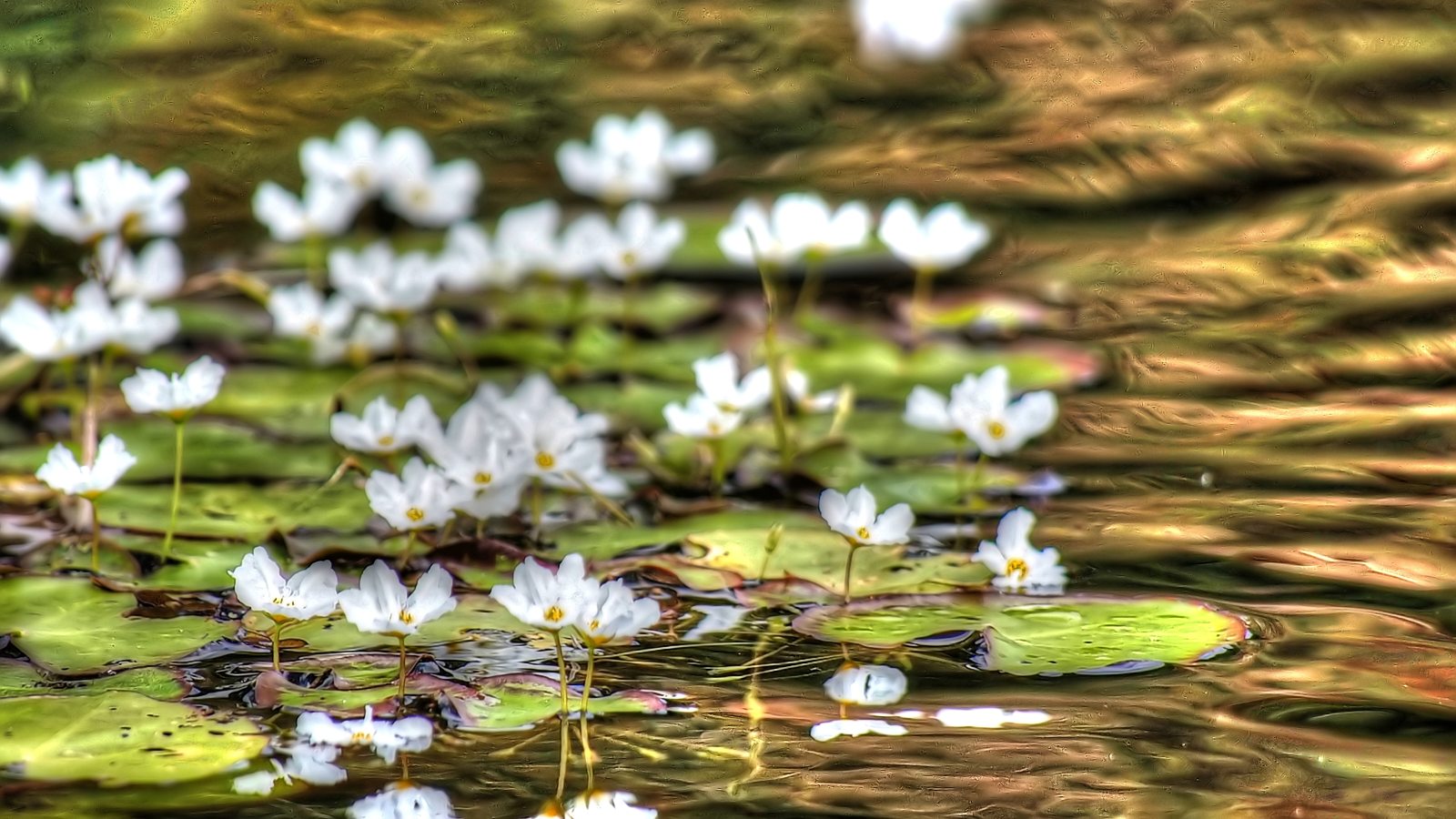
Leave plants where they grow; do not cut a fishing lane or move fragments between waters. Clean equipment before leaving. Check current access, tackle and species rules for the exact water. The cover photograph shows lily pads at Lake Tarpon, Florida, photographed in 2015; it illustrates floating-leaf habitat, not current access or fishing conditions. The practical objective is a repeatable, clean presentation beside a meaningful feature, followed by an adjustment you can explain.