Make a small bait easy to take
Pinfish are a good reason to stop casting over the nearest water. A tiny bait beside a grass edge or a piling can teach more about feeding depth and bite detection than a large bait left far beyond the fish. The problem is often presentation. A pinfish can remove soft bait from a hook whose point never reaches its small mouth.
This is a light-tackle shore plan using Fort De Soto Park as a documented access base on Florida's Gulf coast. It compares a suspended bait with a compact bottom rig. All tackle sizes, search depths and waiting periods are practical starting suggestions. The examples describe tests to make on the day, rather than a recent catch report or a guaranteed November bite.
Identify the target before keeping it
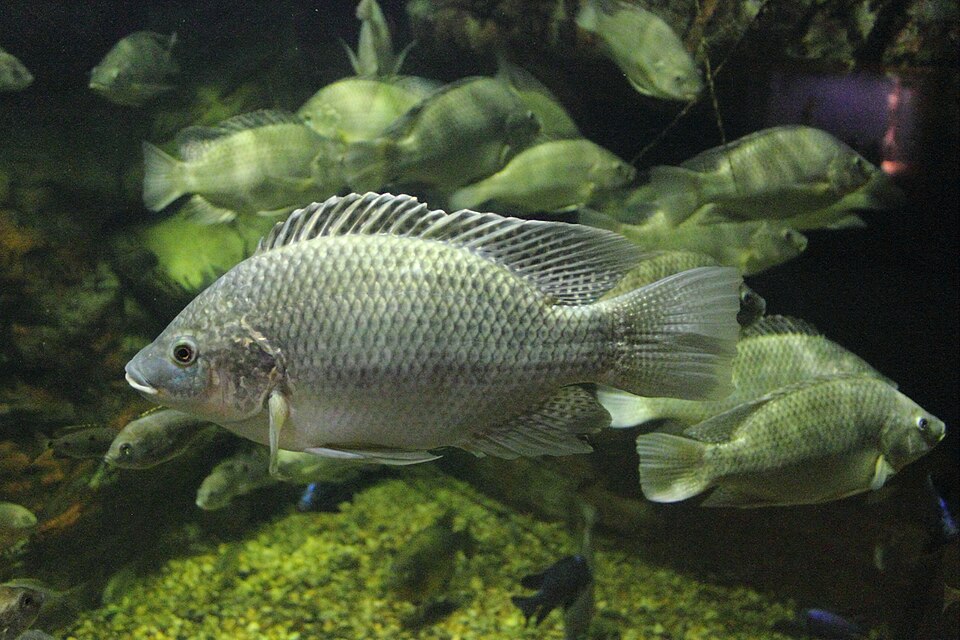
The target is Lagodon rhomboides, a porgy with a compressed oval body, a small mouth and a conspicuous dark shoulder spot behind the gill cover. Yellowish fins and fine coloured lines can help, but the complete pattern matters. The Florida Museum records the species along Florida's Gulf and Atlantic coasts and in tidally influenced inland waters.
Spottail pinfish carry their conspicuous dark spot near the tail base. Pigfish lack the pinfish's incisor-like teeth. Do not make an identification from the general silver body shape alone. Keep an unfamiliar fish supported over the water while checking its features.
Pinfish use coastal structure and eat small animals, including invertebrates and small fish. This supports trying shrimp or squid close to cover. It does not prove that a particular grass bed has fish today, or that one bait will always outperform another. Their reputation for stealing bait is a reason to inspect the rig frequently.
Choose access, then choose a feeding lane
Pinellas County lists the Gulf and Bay fishing piers at Fort De Soto, with current hours of 7 a.m. to sunset. These are access options, not pinfish catch guarantees. Check current park notices and signs before travelling, particularly after storms or repairs. Choose a position with room for a short controlled cast and a clear landing route.
At a pier, inspect the near pilings and the open water immediately beside them before casting toward the end. From a permitted shore position, look for a clean sand strip beside vegetation. Do not stand on or drag tackle through seagrass. A sand-and-grass boundary lets you place bait beside cover while retrieving without uprooting it.
Work away from swimmers, birds and other anglers. A long cast across several fishing lines is a poor trade for a few extra metres of range. A short drop can be enough when fish are using the structure below your feet. Check whether a fish can be lifted safely in a small net before choosing a high position.
Search height before changing bait
Start by comparing a bait just above bottom with one roughly 30–60 cm higher. Where the bottom can be seen, a shallow 0.5–2 m lane is a manageable first test. These are suggested presentation bands, not a measured local depth preference. Deeper water is suitable if you can control the same small rig.
Tide chiefly changes the depth and speed of your presentation. As water covers a shelf, try the newly accessible outer edge. If current pulls the line across a piling, move to the clear side rather than adding weight until the rig is pinned against it. At slack water, a float may become easier to hold over one patch.
Low light can make fish less conspicuous, while brighter conditions can help you see the bottom and place bait accurately. There is no established special hour for this outing. If wind obscures tiny bites, shorten the line between rod and float and choose a sheltered position. Keep the comparison simple enough to know whether depth or location caused the change.
One light outfit
A 1.8–2.1 m light spinning rod, a 1000–2000 reel and 6–8 lb monofilament make a useful starting outfit. Mono is easy to handle with small floats and split shot. If using braid, add about 1 m of 8–12 lb mono leader and avoid crushing shot directly onto the braid.
Use a 30–50 cm hooklength of 6–8 lb mono for open ground. Increase abrasion resistance or choose another lane near rough structure. Stronger line does not make it sensible to hook a fish beneath an inaccessible crossbeam. Set a modest drag and use the rod's bend rather than trying to win every fight instantly.
Carry small strong hooks, a few floats, split shot and narrow pliers. Check the hook point after each snag. A tiny hook with a rolled point can create repeated missed bites that look like a feeding problem.
Rig one — a fixed float and shrimp fragment
Attach a narrow 1–3 g float to the main line with the fittings appropriate to its design. Below it, place most of the required shot about 30–40 cm above the hook, with one small dropper nearer the hook if needed. Tie on a size 10–8 J hook. Match its actual gap to the bait because numbering differs among makers.
Cut a firm shrimp fragment approximately 5–10 mm long. Hook it through a tough section and leave the point exposed. A little thread of squid is an alternative when shrimp disappears too quickly. Do not bury the entire hook in a ball of bait.
Use a plummet briefly to measure depth, then set the bait about 10–20 cm clear of the bed. Remove the plummet before fishing. Cast gently beyond the chosen patch and draw the float into line. Let it drift along the clean edge while recovering loose line without pulling the float sideways.
Lift smoothly when the float goes under decisively or moves away against the drift. A huge strike can throw the bait and fish clear of the water. If the float keeps dipping at the same point, shorten the depth slightly and check whether the hook was touching grass rather than assuming every dip was a missed bite.
Rig two — a small running bottom bait
For a clean sand lane, slide a 3–7 g egg sinker onto the main line or leader, add a small protective bead and tie a swivel. Attach the 30–50 cm hooklength and size 10–8 hook. The sinker must run freely. Use only enough weight to keep the bait in the lane.
Cast just beyond the target and allow the weight to settle. Take up slack until you can see or feel a change in line tension, without dragging the sinker. Hold the rod rather than leaving it unattended. Small repeated taps justify inspecting the bait, while a sustained pull gives a clearer opportunity for a controlled lift.
This rig is useful when a float blows out of position or when fish are feeding close to the sand. It is less useful over thick vegetation or a bottom full of gaps. If every retrieve carries grass, return to the float and raise the bait. If the sinker catches repeatedly, move the cast instead of repeatedly breaking off tackle.
A small artificial alternative
In clean water, a 1–2 g jighead with a size 10–8 hook and a 1–2 cm soft-plastic fragment offers a bait-free experiment. Rig it straight with the point clear. Cast short, let it sink under light contact and make small lifts followed by pauses. Avoid rapid hops that move it out of a small fish's reach.
Begin with a muted translucent or brown imitation. A pale contrasting piece can help you see the lure in coloured water, but colour is secondary to size and depth. If fish peck without connecting, shorten the plastic before increasing hook size. Return to natural bait if the artificial produces only follows.
| Observation | What it may mean | Starting choice | Presentation | Next change |
|---|---|---|---|---|
| Open sand beside grass | A clean lane next to cover | Fixed float | Suspend a tiny bait just above bottom | Raise the bait if it catches grass |
| Wind moves the float too quickly | Line control is poor | Running bottom rig | Hold a short cast over sand | Move to shelter if contact remains poor |
| Shrimp vanishes without a clear take | Bait may be too soft or bulky | Smaller shrimp or squid | Keep hook point exposed | Inspect sooner and reduce bait size |
| Fish visible higher in the water | Bottom bait may be below them | Float set shallower | Compare two heights | Change depth before colour |
A worked ninety-minute outing
Spend ten minutes watching a permitted pier or shore lane. Begin with a 2 g float, size 10 hook and small shrimp fragment. Measure the depth, set the bait just off bottom and make several controlled drifts through the same patch. Replace damaged bait promptly.
If there is no response after fifteen to twenty minutes, test the bait half a metre higher. Then move to a different clean lane. If bites are constant but the hook remains bare, shorten the bait and inspect hook sharpness. Change one of those variables at a time.
Use the next part of the session to compare a 5 g running rig over open sand. Finish with the more readable method. Note the depth, current direction and bait condition, including a blank result. Those observations are better preparation for another visit than assuming the fish were absent from the whole park.
Rules and brief handling
FWC treats pinfish among species without an individual species limit, but general recreational harvest and gear conditions still apply. Check the linked current guidance and saltwater licence requirements, including exemptions and any pier coverage. The county's current park page says a fishing licence is required throughout the park, including its piers, so do not rely on an older claim of automatic coverage.
Handle pinfish carefully around their sharp dorsal and anal spines. Wet hands, support the body and use pliers for prompt unhooking. Keep any retained bait fish only under applicable rules and remove every piece of line and packaging when leaving.