
Planning a November–December redfin trip
Lake Eppalock offers a useful setting for a small-lure redfin trip as central Victoria moves toward summer. The aim is to locate manageable water, make repeatable presentations and adapt to the conditions actually present. This is not a forecast of catches or a promise that a particular shoreline will produce fish. A reservoir can change substantially with water level, wind and recreational activity, so begin with access and safety rather than a remembered fishing spot.
Redfin are European perch, Perca fluviatilis, an introduced species. The Victorian Fisheries Authority identifies them with lakes, dams and slower water, often around cover. VRFish includes Eppalock among its redfin destinations. Those sources support choosing the lake for investigation; they do not establish current abundance at a particular bay. The practical tackle ranges and session plan below are editorial starting suggestions.
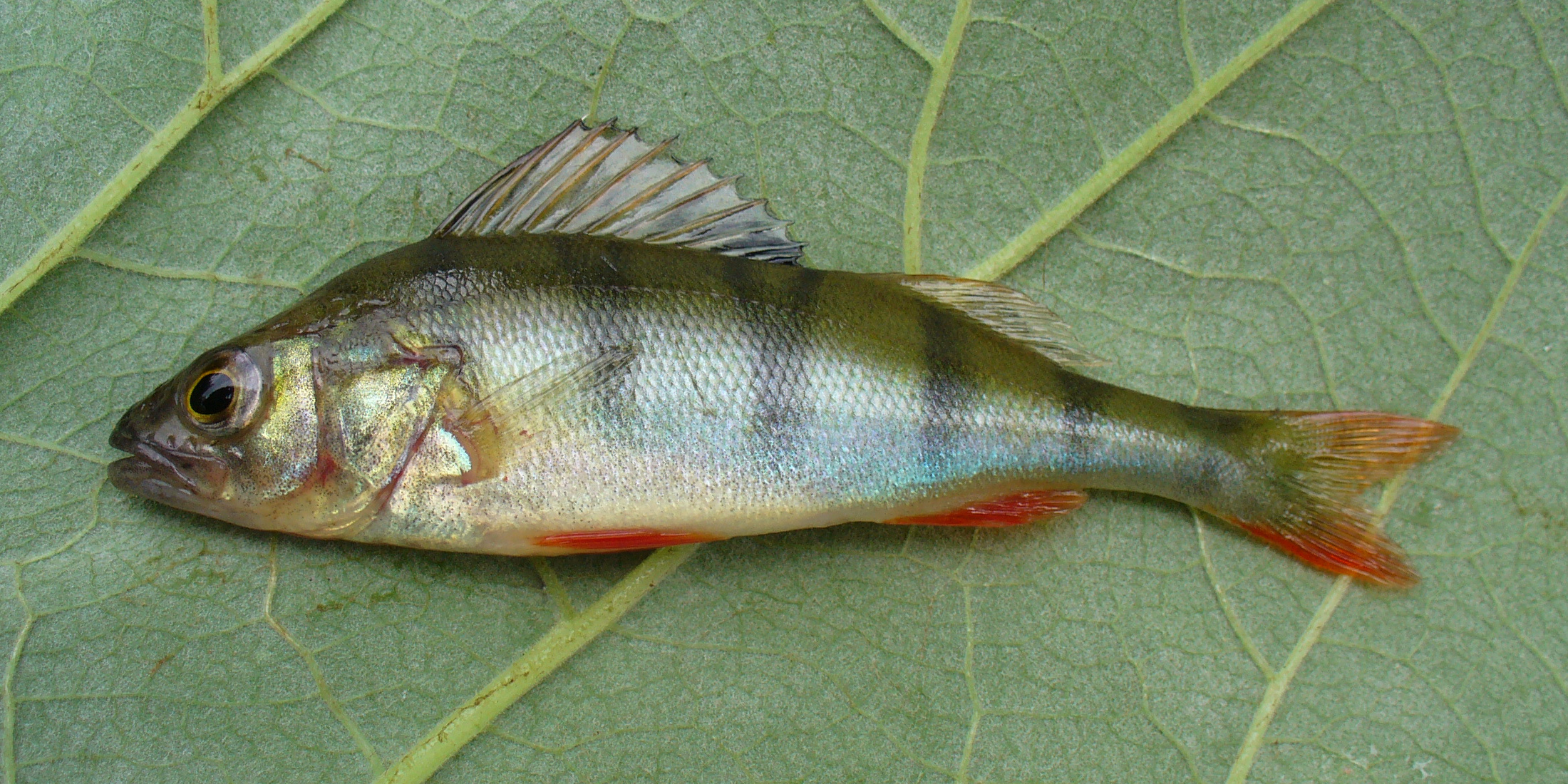
The cover shows a source-identified European perch photographed by George Chernilevsky. It is an illustrative species photograph, not evidence of an Eppalock catch or an example of release handling. This guide was prepared with AI assistance and reviewed against the linked sources on 23 October 2026.
Access is a separate decision from finding fish
Use Goulburn-Murray Water's Lake Eppalock Recreational Area Management Plan to establish the designated public recreation areas and access arrangements. Its current published plan describes public facilities and also notes that access can be restricted by occupation agreements. A view of the lake from a road is not sufficient evidence that a track, bank or boat ramp is public.
Before setting out, confirm the intended access point, any current water-quality advice, ramp availability and local restrictions. Choose a bank location with a straightforward return route and enough room to cast without passing a lure near other visitors. Respect fences, signs and private facilities. Do not use an apparently open gate as permission to drive to the water.
For a first visit, a compact bank session is a sensible way to learn the shoreline without making boat handling part of the same learning exercise. A boat can extend the search, but only with suitable equipment, current local knowledge and compliance with the relevant boating requirements. Check those separately; a fishing licence does not certify boating competence.
Current Victorian rules and the introduced-species distinction
The VFA redfin entry lists no minimum legal size and no bag limit. It encourages anglers not to return redfin to the water and says transporting live fish without VFA approval is illegal. The encouragement is not the same as a blanket legal prohibition on releasing redfin in Victoria. Do not import another state's rules into this trip.
If keeping fish, decide in advance how they will be dispatched humanely and chilled promptly. Take only what can be handled and used responsibly. Never move live redfin to another waterbody, use them to establish a new population or leave unwanted fish on the bank. Do not treat an absence of a numerical bag limit as a recommendation to accumulate a large catch.
Check whether you need a Victorian recreational fishing licence or qualify for a listed exemption. The VFA currently lists age exemptions for people under 18 and those 70 or older, as well as specific concession and other categories. Carry proof of any applicable exemption. Use the official VFA purchase route and recheck the current rules before fishing. Species-specific rules apply to incidental native catches; a redfin outing does not remove those obligations.
Where to begin the search
Start with contrasts that can be reached safely: an edge where rock meets a softer bottom, an outer weed margin, or a point where shallow ground falls toward deeper water. These are search features, not guaranteed fish locations. Avoid assuming that every visible tree or attractive-looking bank is equally useful.
From shore, make a few casts across different angles before committing to one direction. If a lure returns with weed on every cast, fish slightly higher or choose a clearer lane rather than repeatedly dragging hooks through vegetation. If it constantly lodges between rocks, reduce contact time and retrieve more smoothly. A slightly less dramatic piece of water that can be fished effectively is preferable to persistent tackle loss.
Redfin can occur in groups, so one contact warrants careful repeat casts through the same depth and direction. It does not justify casting over another angler or crowding a small access point. Once the response stops, make a measured change and then move if necessary.
A light outfit with enough strength for the shoreline
A 6-foot-6-inch to 7-foot spinning rod rated around 2–5 kilograms, a 2000–2500-size reel and 6–10-pound braid form a versatile starting outfit. Add roughly a metre of 6–10-pound monofilament or fluorocarbon leader, adjusting abrasion resistance to the rocks and timber encountered. These are practical suggestions rather than official specifications.
Inspect the leader after contact with structure. A rough section close to the lure deserves replacement even when the knot still looks tidy. Set the drag to give line smoothly under a firm pull and test it before fishing. Excessive drag does not solve poor positioning; it simply transfers more load to the knot and hook.
Carry a small landing net, long-nose pliers, line clippers and a container for discarded tackle. Keep spare lures in a closed box while moving. A compact kit makes it easier to change spots without leaving loose hooks, packaging or line on the bank.
Three simple lure choices
Begin with a 50–75-millimetre soft plastic on a jig head around 1/16–1/8 ounce in modest depth and light wind. Use enough weight to track the lure, but do not automatically start heavy. A short lift followed by a controlled fall lets you test the bottom while maintaining contact. If the line goes slack unexpectedly or moves sideways, wind down and lift rather than making a violent strike.
A small spinner or spoon around 3–7 grams offers a second approach where there is a clear retrieve lane. Start with a steady retrieve, then change its speed before changing colour. A lure that is rolling, fouling or digging into weed is not being presented well, however appealing its finish.
A compact 40–60-millimetre diving hardbody can search a different depth, provided its diving range suits the water and it does not repeatedly snag. Pause briefly when appropriate, keep hooks clear of clothing and other people, and use pliers to unhook fish. Choose one lure family to learn properly before filling the session with constant changes.
Control depth before chasing distance
Casting farther is useful only if it covers additional suitable water under control. Begin by counting a consistent sink time and noting whether the lure touches bottom. Compare a shallow, intermediate and deeper presentation through the same general area. This creates a simple depth map without pretending to know an exact bottom contour.
With a soft plastic, alternate a short lift with enough pause to regain contact. In weed, use a smoother swimming retrieve above the tops. Around rock, shorten the pause and avoid dragging the jig into every gap. If you cannot feel or see what the line is doing, shorten the cast or reposition.
When a fish is hooked, bring it clear of obstructions using steady pressure. Do not lift a fish vertically up a high bank by the line. Select the landing point before casting, and use the net where needed. A spot with no safe landing route is a poor choice even if the water looks promising.
Wind, temperature and lake safety
Lake Eppalock is inland, so tides are not part of the plan. Wind direction, strength, water level and the day's temperature matter more. A breeze can make one bank difficult to fish and a sheltered alternative much easier. Do not mistake a comfortable launch for a safe return crossing later in the day.
For bank fishing, avoid steep loose ground, unstable edges and situations where rising water or deteriorating weather could cut off the route back. In warm weather, carry drinking water, sun protection and suitable footwear. Check official water-quality warnings rather than judging safety from colour alone.
Early summer does not guarantee uniformly warm, settled conditions. Pack a windproof layer and set a clear stopping point for deteriorating weather. A change of venue or an early finish is preferable to trying to rescue the day by taking greater risks.
Common mistakes to avoid
The first mistake is choosing tackle too heavy to show a small lure's movement, then compensating with aggressive rod lifts. Start with a controllable presentation and alter weight deliberately. The second is repeating exactly the same cast through an unproductive depth without testing another lane. A small structured search usually teaches more than random colour changes.
Another mistake is treating a school as an unlimited resource. Keep fish welfare and intended use in mind throughout the session. If retaining fish, maintain the cold chain and stop before the handling task becomes more than you can manage. If native fish are encountered, identify them and follow their current rules; avoid continuing a presentation that repeatedly targets a closed species.
Finally, do not move bait, fish, water or weed between locations. Remove material from gear and clean and dry equipment before another waterbody. A redfin trip should not become a pathway for spreading introduced organisms.
A practical half-day plan
Before departure, confirm licence or exemption, access arrangements, weather and current advisories. On arrival, spend the first fifteen minutes checking the bank, landing route and casting space. Fish a small fan of casts with one soft plastic, varying depth in deliberate steps. If the presentation is poor, solve that before moving.
After an hour, compare two or three nearby safe features rather than walking aimlessly around the reservoir. Take a break to inspect knots, sort retained fish and note which depth and retrieve were manageable. Keep the final hour close to the exit, especially if wind or heat is increasing.
Record water conditions and methods accurately in a personal log. A blank session still provides useful information about access, depth and tackle control. Finish by collecting discarded line and bait packaging, securing hooks and checking that no live fish or aquatic material is being transported. The goal is a repeatable, lawful trip that respects both the lake and the native species sharing it.