A deep hole is only a starting clue for mulloway. The more useful combination is a depth change, food nearby and a presentation you can hold at the right level. A carefully controlled bait or soft plastic on the edge of that feature can tell you more than a heavy rig dropped into its deepest point.
Lake Macquarie offers this kind of estuary search as spring moves into summer. The official local fishing guide identifies October to April as a useful mulloway period, but that is seasonal guidance rather than a catch guarantee. The setups and timings below are practical starting suggestions; actual current, depth and bait observations should decide the details.
Species, food and habitat
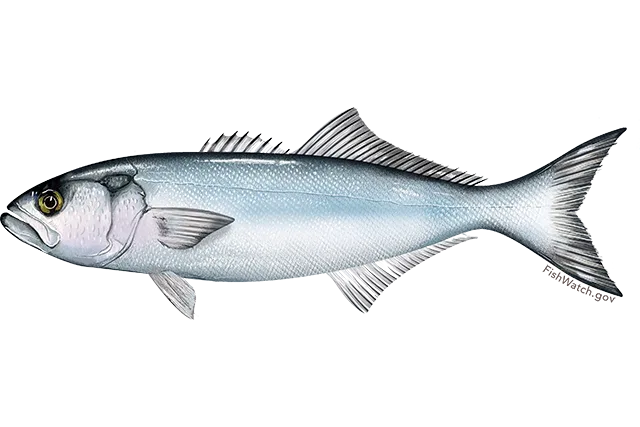
Mulloway, Argyrosomus japonicus, have a silvery to bronze-green body and a line of pale, pearly spots along the lateral line. They belong to the croaker family. Teraglin can be confused with them, so use a complete identification guide rather than relying on a single impression of tail shape; the Australian Museum notes that mulloway tail shape changes with age.
Their Australian distribution extends around much of the southern mainland coastline. They use both estuaries and coastal marine habitat. Juveniles feed on crustaceans and small fish; adults eat fish and squid. Seagrass, mangroves, mud and sand support the prey community even when the predator is encountered in adjacent deeper water.
That connection matters when choosing a spot. A barren-looking deep basin may be less useful than the edge of a shallower feeding area with bait nearby. Do not assume a sounder mark is a mulloway or that every visible school of small fish has predators beneath it.
Choose a workable part of the lake
Lake Macquarie connects to the sea through Swansea Channel. Dora, Cockle and Stoney creeks enter the wider system, and the lake contains bays, headlands and artificial habitat. These are orientation features, not permission to fish every bank or proof that mulloway are present at a particular creek mouth today.
The Drop Over, where the channel meets the lake, provides a documented reference for understanding a depth transition. Treat it as an area to assess from lawful access with appropriate navigation knowledge, not an instruction to anchor in a traffic lane. A sheltered, manageable alternative is preferable to a theoretically attractive position where you cannot control the boat.
Use a current navigation chart and the official fishing map together. The fishing map is explicitly not for navigation. Shore anglers should confirm a public access and landing route before committing to a cast; this guide does not authorise crossing private waterfront or standing on restricted structures.
Turn a contour into a fishing lane
First inspect the shallower side of the drop, then its face and the adjacent deeper water. Note whether bait is suspended above the bottom or packed close to it. If possible, compare more than one pass before fishing.
A first lure trial might cover roughly 3–8 m of accessible water, but this is a search range, not a statement about the lake's current fish distribution. Let the actual contour and observations override it. Deeper is not automatically better, especially if boat movement prevents a controlled descent.
| Observation | First approach | What to watch | Next adjustment |
|---|---|---|---|
| Bait above a drop-off | Soft plastic through that layer | Line movement during the fall | Shorten the countdown |
| Clean bottom beside a deeper pocket | Running-sinker squid bait | Steady loading, not every tap | Adjust sinker and leader |
| Strong sideways line angle | Reposition or reduce drift | Loss of depth control | Use more weight only if needed |
| Repeated juvenile captures | Leave the concentration | Size of actual catches | Change area or technique |
Rig one: fresh squid on a running sinker
A useful estuary starting outfit is a 7-foot medium spinning rod, a 4000-size reel and approximately 20–30 lb braid. Match the outfit to the casting load and expected fish, and use a leader around 25–35 lb where appropriate. The number on the spool does not replace checking knots and setting a sensible drag.
For a running rig, put a suitable sinker on an abrasion-resistant section above a swivel, with a protective bead between weight and knot. Tie a 70–120 cm hooklength below the swivel and finish with a non-offset circle hook, around 5/0–8/0 depending on the actual bait and hook pattern.
Use a fresh squid section sized so the hook gape stays open. Pass the hook through a firm part of the bait and avoid wrapping a bulky mass around the point. A tidy strip that stays straight is easier to cast and less prone to spinning than an oversized tangle.
Start with perhaps 15–40 g of lead in modest conditions and adjust to maintain useful contact. The rig should not continually roll into snags. If that requires more weight than your rod can safely cast, choose a different location or method rather than forcing the outfit.
How to fish the bait
Cast so the bait settles beside the feature, not directly into its most obstructed part. Close the bail, let the sinker reach bottom and remove excess slack. Keep the rod secure and attended, with the drag able to give line under sustained pressure.
Small taps may come from other fish or movement of the bait. With a circle hook, do not respond with a violent strike. Allow a sustained take to load the line, then wind steadily and raise the rod into a fighting position. Keep the point clear when rebaiting.
Retrieve periodically to check that the bait remains fresh, properly attached and free of weed. If it repeatedly returns twisted, shorten the leader or improve the bait shape. If it returns untouched, verify the placement before concluding that the entire area holds no fish.
Rig two: a soft plastic through the drop
A 7–10 cm paddle-tail plastic on a strong jighead is a compact starting choice. The local guide suggests heads around 9–14 g; conditions may justify moving outside that range. Use a hook proportionate to the body, with the point emerging cleanly and enough gape exposed to engage.
Join the braid to about 1–1.5 m of suitable leader and tie directly to the jighead with a reliable terminal knot. Thread the plastic straight. Check its swimming action in the water beside you; a kink can make it roll rather than track predictably.
Cast across or slightly ahead of the drift so the lure has time to descend towards the contour. Watch the line, count the fall and begin with a slow lift-and-settle presentation. Keep enough contact to detect an interrupted descent without pulling the lure rapidly out of the feeding level.
A bite may feel like a knock or simply extra weight. Recover slack and set the single hook with a firm, controlled lift. If the lure is snagging on every cast, begin the retrieve earlier, reduce weight or change the angle. Do not repeatedly sacrifice lures to prove that structure exists.
Alternative action, colour and timing
A soft vibe offers a different vibration and profile where the bottom is clean enough for its hooks. Work it with short lifts and controlled falls, and avoid dragging multi-hook lures through dense weed or complex reef. A straight-tailed plastic can provide a quieter alternative to a strong paddle action.
Carry a pale baitfish-like colour and a darker contrasting option. Test them at comparable weight and depth. Visibility and silhouette are reasonable considerations, but no colour guarantees a bite under a particular moon or sky. Correct placement deserves attention first.
Dawn, dusk and a change in tidal movement are reasonable periods to investigate, not mandatory appointments with feeding fish. The water movement at your position may not match the time of ocean high water. Observe the actual current and avoid inventing a fixed delay for the whole lake.
A worked early-summer outing
Begin in daylight and select two manageable contours within a safe operating area. At the first, look for forage and establish the slope. If bait is present above it, make a series of plastic casts at increasing countdowns, keeping notes on the level reached.
Suppose the lure repeatedly catches the bed before reaching the intended lane. Reposition slightly up-current and begin retrieving earlier. If the lure stays clean but receives no response, compare a still squid bait beside the same contour rather than immediately crossing the lake.
After a reasonable test of both methods, move to the second feature. Do not stay simply because the first looked impressive on a map. If small mulloway are repeatedly caught, leave that concentration instead of repeatedly handling juveniles while hoping a larger fish appears.
Brief rules and handling
Checked 31 October 2026: NSW DPIRD lists a 70 cm minimum and one mulloway per person, with a private-boat limit of two when two or more fishers are aboard; charter limits differ. Check the fishing fee, current orders and local closure map. Lake Macquarie has bait-collection restrictions and seasonal nighttime closures at the Eraring and Vales Point outlets; those outlets are not part of this plan.
Use suitable flotation, stay clear of navigation traffic and minimise fight and handling time. Support a large fish horizontally and use a suitable net. Release unwanted or undersized fish promptly; a successful session need not include retaining one.