
NOAA Fisheries announced support for six angler-linked habitat projects on 5 October 2026. The package spans Alaska, Florida, North Carolina and Hawaiʻi, bringing recreational fishing organizations and participants into work on the environments that support fisheries. It is a funding milestone, rather than evidence that fish populations have already increased.
The National Fish Habitat Partnership separately confirms the package, described as nearly $430,000. The six stated awards add to $426,000. That distinction is ordinary rounding, not an additional award. The useful question now is how the announced activities become durable habitat improvements and how their effects will be documented.
This report treats the six grants as one development. It does not present six announcements of the same funding decision, and it does not infer new fishing access or changed catch limits from a restoration award.
What the package contains
The announced work includes Alaska invasive-species management and education; debris removal in northeast Florida's Guana, Tolomato and Matanzas estuary; seagrass restoration and outreach in Florida's Big Bend; shoreline and marsh restoration at North Carolina's Tyson Point; and two Hawaiʻi projects involving West Oʻahu coral work and Maunalua Bay fishery and habitat observations.
The listed recipients are Trout Unlimited, Matanzas Riverkeeper, University of Florida, North Carolina Coastal Federation, Kuleana Coral Restoration and Conservation International. They have different jobs in different ecosystems. Their participation does not establish that each project has finished permitting, recruited volunteers or begun fieldwork.
| Announced work | Useful follow-up evidence | What it would not establish alone |
|---|---|---|
| Invasive-species work | Repeated surveys and prevention participation | Complete eradication |
| Debris removal | Debris type, amount and repeat accumulation | Full estuary recovery |
| Seagrass work | Plant persistence, coverage and site condition | An immediate increase in adult catches |
| Shoreline and marsh work | Erosion, plant survival and fish access | Performance in every storm |
| Coral work | Survival, growth and monitored condition | A restored reef from planting counts |
| Habitat and fishery observations | Comparable records with sampling effort | A population trend from isolated catches |
The table gives this journal's suggested interpretation framework. It is not a list of contractual reporting conditions imposed on the recipients.
Why habitat work can matter to fishing
Fishing success depends on more than how many adults are harvested. Fish also need feeding areas, shelter and suitable places for different life stages. A damaged nursery can limit the supply of fish reaching later stages even when an adult fishing area still looks attractive.
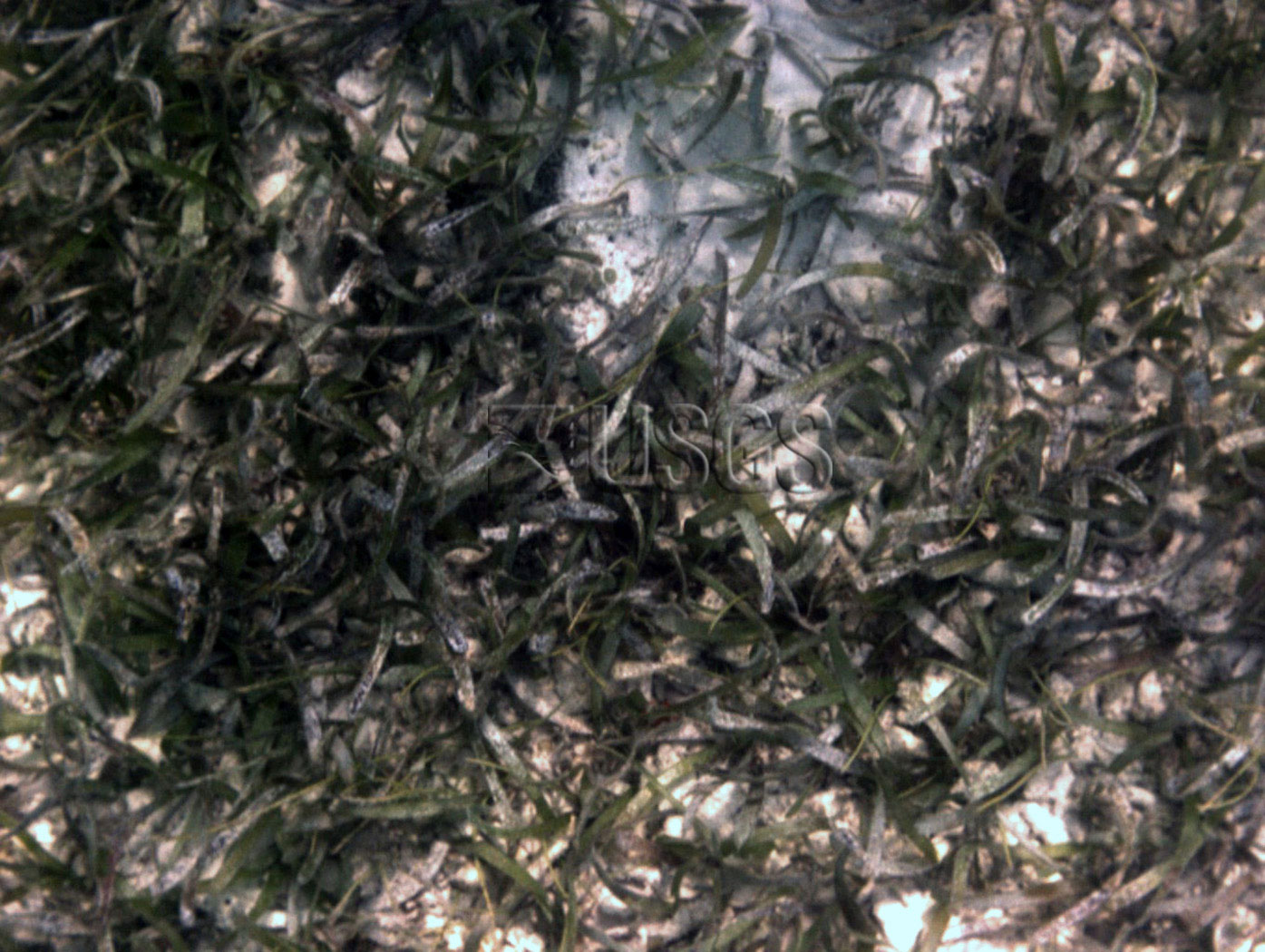
Seagrass illustrates that connection. Its leaves provide structure, its associated organisms contribute food, and its roots and rhizomes help stabilize sediment. Water clarity matters because the plants need light. These functions explain the interest in restoration, but they also explain why planting alone cannot solve a continuing water-quality problem.
Consider a hypothetical shallow bay where new shoots are planted but the water repeatedly becomes too dark for sufficient light. A successful planting day and a high volunteer count would not answer whether the plants survive the next season. A credible follow-up needs both the treatment record and observations of the conditions that can sustain it.
For anglers, this distinction separates a restoration story from a new hot-spot recommendation. More habitat could support a better fishery over time, but a grant announcement cannot predict where a legal-size fish will be caught next month.
Seagrass needs persistence, not only installation
FWC's research guidance identifies both physical disturbances and reduced water clarity as threats to seagrass. Propeller scarring, sediment disturbance and altered water conditions can affect a meadow through different pathways. A restoration design should therefore be interpreted in the context of the problem it is trying to address.
The Big Bend award is a local intervention within a much larger habitat system. Its funding amount does not establish the area that will be restored, the proportion of the preserve affected or a guaranteed survival rate. Those are questions for a project plan and later monitoring, not numbers to infer from a short announcement.
Useful evaluation could compare treated and untreated areas under similar conditions and revisit both across seasons. If a storm affects the whole region, a comparison site helps distinguish a project-specific failure from a wider disturbance. This is a general monitoring principle, not a claim that the recipient has adopted a particular experimental design.
The practical contribution from boaters is more immediate: avoid damaging existing vegetation while awaiting the outcome of restoration. Helping a new patch establish is less effective if nearby intact habitat is repeatedly scarred. Participation should follow the preserve manager's or project's current directions rather than an improvised planting effort.
Shoreline stabilization and fish access are separate tests
Living shorelines use vegetation and other suitable materials to reduce erosion while retaining habitat functions. NOAA's guidance emphasizes site conditions, including wave exposure, slope and adjacent shoreline. A method useful in a sheltered estuary cannot simply be transferred to a highly exposed ocean beach.
At Tyson Point, the announcement describes a shoreline and marsh objective. It does not provide enough engineering detail to certify a particular design. Nor should general research on living shorelines be presented as measured results from this newly funded project.
A separate NOAA North Carolina assessment, reported on 12 March 2026, shows the kinds of evidence that can be collected: erosion, vegetation, sediment and structure elevations, and use by fish and invertebrates. That work is contextual evidence about evaluation methods, not an October result for Tyson Point.
A shoreline could remain physically stable while giving fish poor access at certain water levels. Conversely, a biologically useful edge might still require maintenance after an unusual event. Asking about both performance and ecology is more informative than asking whether the installation looks green in a photograph.
Angler participation can improve observations
People who regularly fish a place notice changes in vegetation, debris, water movement and access. That familiarity can help a project choose useful questions and recognize unusual events. It becomes stronger evidence when observations use a consistent method rather than memory alone.
For example, an angler keeping a habitat log could record the same shoreline view, water level, visibility and visit duration. A catch log could include time spent fishing and method, rather than reporting only the best fish. These are suggested practices; this article is not recruiting people into a verified citizen-science program.
The Maunalua Bay project specifically links angler observations with habitat and fishery change. That makes comparability especially important. A change in catches may reflect weather, effort, access or equipment as well as the ecological intervention. Habitat and fishery observations should be interpreted together, with their limitations visible.
The same caution applies to local perspectives. The announcement verifies that angler participation is intended. It does not provide interviews showing that every fishing group supports the work, and this journal has not conducted such interviews. Partnership names should not be substituted for a claim of universal community agreement.
What to watch next
The most useful next milestone is a specific implementation update: where work is occurring, which activities have begun, what baseline was recorded and when the site will be revisited. A later report should distinguish money awarded, money spent, physical work completed and ecological response.
For debris work, a large removal total can demonstrate real effort while still leaving questions about recurring sources. For invasive-species work, more reports can indicate improved detection rather than a sudden increase in the organism. For coral and seagrass projects, survival through a stressful period is more informative than the number initially handled.
None of these cautions makes the grants unimportant. They explain how a modest funding package could produce useful outcomes without requiring an exaggerated claim of ecosystem recovery. Good monitoring can also reveal where a method needs changing before it is repeated elsewhere.
Anglers interested in contributing should follow the named recipient's current notices for authorized events and methods. This announcement does not itself confirm event dates, available places or permission to collect organisms, remove attached material or enter restricted areas.
As of this review, the verified development is new funding and its intended work. Lasting habitat gains and better fishing remain outcomes to measure.