
Fish the bottom lane, not the biggest wave
Moi fishing begins with a small piece of bottom you can present a bait across cleanly. Look for a sandy pocket beside rock, a shallow gutter running along a beach or an open strip separating rough ground. Cast so that the bait settles into that lane and remains there long enough to be found. A cast into breaking surf without any idea of the bottom is much harder to interpret.
This is a shore plan for Oʻahu during the open moi season, including November and December. The aim is to compare modest natural baits with a light artificial presentation. It is not a claim that winter is a guaranteed peak: swell may remove more fishing opportunities than the calendar creates. All weights, hook sizes, depths and retrieve timings are practical starting suggestions for manageable conditions.
Identify Pacific threadfin
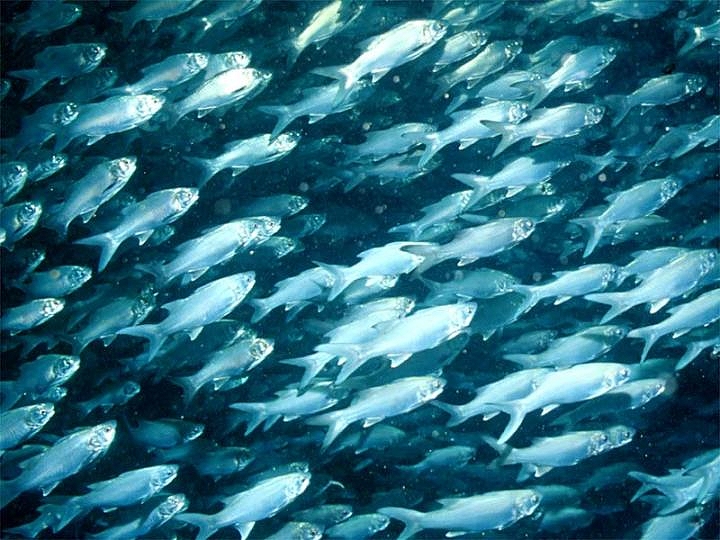
Moi is Pacific threadfin, Polydactylus sexfilis. The fish has a silvery body, darker back, overhanging snout and six separate threadlike filaments extending from the base of each pectoral fin. These are useful identification features; silver colour and a sandy capture location are not enough.
Do not confuse those pectoral filaments with the pair of chin barbels on a goatfish. A mullet also lacks the moi's six free pectoral threads. Keep unfamiliar fish in the water while checking identification, and do not assume that a fish resembling the target shares its rules.
The species uses sandy holes beside rocky shores and sandy beaches affected by water movement. Crustaceans are important food, and moi can feed by day or night. That supports a small shrimp bait close to bottom. It does not require fishing in dangerous surge, nor does it establish that every patch of white water contains fish. Schools can be localised, so an orderly search is more useful than waiting indefinitely over one empty patch.
A real access example, without a catch promise
Mālaekahana State Recreation Area, on Oʻahu's northeastern coast near Lāʻie, is a documented public shore-fishing access example. State Parks identifies shore fishing among the site's activities. For this trip, investigate the southern Kalanai Point section and confirm access before travelling: the current notice closes the Kahuku section's parking lot from 26 October 2026 through 31 January 2027 for construction. That notice concerns the parking lot, not a blanket closure of the whole shoreline. Check the park's current hours and any additional recovery restrictions.
This access listing is not a recent moi catch report. Use it as a starting point for inspecting suitable habitat only when the sea is manageable. Choose a section away from swimmers and other beach users, with a clear casting and landing lane. If swell is washing over the available standing area or closing the return route, do not fish it.
Observe the beach from dry ground before assembling tackle. Look for a darker depression, a clean sand strip or a break in the line of waves that suggests a change in depth. Confirm what you can see with a short, controlled cast. Seaweed, rock shadows and moving water can all imitate a gutter. Avoid interpreting every dark patch as deeper sand.
Depth, tide and light
Start with the nearest reachable lane, perhaps around 0.5–2 m deep where visibility allows an estimate. This is an initial search range, not the species' complete depth distribution. A narrow nearshore gutter can put a bait in a useful place without a long cast. At a different tide that gutter may become too shallow or merge into a broader area.
As the tide changes, watch whether water covers a previously exposed sand-and-rock boundary. Test the newly accessible edge with a short cast before moving farther out. A rising tide is a presentation opportunity, not an automatic feeding switch. Falling water can make a different lane accessible, provided the bait remains fishable.
Try early or later daylight when access permits, but keep the plan flexible. Bright light may make bottom features easier to see and therefore improve the cast even if it does not improve feeding. Cloud and coloured water can make a small lure harder for you to track; shorten the cast and use line contact rather than guessing its position.
Rig one: a running shrimp bait
For sheltered-to-moderate shore conditions, start with a 2.4–3 m rod rated for roughly 15–60 g, a 3000–4000 reel and 10–15 lb monofilament or 15–20 lb braid. With braid, add 1.5–2 m of 15–25 lb abrasion leader. Choose stronger casting protection if increasing the load; the rig described here is for controlled casts, not heavy surf casting.
Slide a small egg sinker or free-running sinker link onto the leader, add a protective bead, then tie a swivel. Attach a 45–75 cm hooklength of 10–15 lb mono and an inline circle hook around size 2 to 1/0. Begin with a 10–25 g weight where that is enough to keep the bait in the lane. If conditions demand much more weight, reassess whether the position still suits this light plan.
Use a small piece of fresh, legally obtained shrimp or a compact whole shrimp that fits the hook. Pass the hook through a firm section, leaving the point and gap fully exposed. A large ball of soft bait can fold over a circle hook and stop it turning correctly. Squid cut into a short, narrow strip is a tougher comparison if shrimp disappears rapidly; it is an alternative bait, not a claim about the dominant natural prey.
Cast diagonally along the sandy lane, let the weight settle and recover only enough slack to maintain contact. Keep the rod in hand when wave movement makes a fixed tip hard to read. If the sinker tumbles continuously into rock, shorten the cast or move to cleaner ground before adding weight.
Read a bait take without striking too early
Wave action often makes the line pulse rhythmically. A fish may produce a distinct series of taps followed by sustained movement or increasing weight. With the circle hook, keep winding until the rod loads, then lift smoothly. Avoid a sharp strike that pulls the bait out before the hook turns.
If bites are frequent but the bait returns shredded, inspect the hook gap and reduce the bait size. If you feel only repeated scraping at one place, the sinker may be crossing rough bottom. Compare one cast at a different angle before treating every vibration as a bite.
Retrieve and inspect the bait regularly. A starting interval of five to ten minutes is useful in active small-fish water, but shorten it when bait theft is obvious. A bare hook left out for half an hour is not a meaningful test of a location.
Rig two: a light jig across clean sand
For a more active search, use a 4–6 cm shrimp-shaped or small paddle-tail plastic on a 2–5 g jighead with a size 4 to 1 hook. A lighter 2.1–2.4 m rod, a 2500 reel, 8–12 lb braid and a 1–1.5 m 10–15 lb leader will cast this more comfortably than a heavy bait rod. Use the lure only where you can recover it without dragging across living coral or dense rock.
Thread the bait straight on the hook. Make a short test cast, count its fall and watch for the line to relax at bottom contact. Begin the retrieve with a gentle lift, then let it settle on a controlled line. Short 10–20 cm hops and pauses offer a starting rhythm; a slow continuous swim just above the sand is the alternative.
The point is to move along the bottom lane without digging into it. If the jig repeatedly snags, reduce the countdown, use a lighter head or swim it higher. If it never reaches the lane before being swept away, shorten the cast or increase weight slightly. A heavier jig is useful only if the lure still moves naturally and remains within the rod's range.
Try translucent tan or pale brown first when the water is clear enough to observe the lure. A pale or more contrasting colour is a useful second test in reduced visibility. There is no verified universal moi colour rule. Change colour after checking that the lure is reaching the right layer.
A jig's exposed hook needs a different response from a circle-hook bait rig. On a definite take, recover slack and lift firmly without an exaggerated overhead strike. Maintain steady pressure through small surges and use the clear landing lane selected before casting.
| Observed feature | Reason to test it | Starting method | Presentation | Change after trouble |
|---|---|---|---|---|
| Sandy hole beside rock | Bottom-feeding space beside structure | Running shrimp bait | Settle at the sand edge | Move the cast away from rock if snagging |
| Long shallow gutter | A repeatable feeding route | Small jig | Short hops or slow swim along the lane | Alter countdown and cast angle |
| Rapid shrimp theft | Bait is not lasting | Smaller well-mounted shrimp or squid strip | Keep hook gap open | Inspect more often or move |
| Strong sideways line pull | Water and wind exceed control | Shorter bait cast in shelter | Hold contact without dragging | Stop if the lane cannot be fished safely |
A worked two-hour search
Begin with twenty minutes of observation and short casts over the nearest clean sand. Use a 15 g running sinker, a 60 cm hooklength and a small shrimp bait on a size 1 circle hook. These numbers describe the example, not a fixed local formula. If the bait holds cleanly, keep the rig and compare two casting angles.
After a quiet half-hour, retrieve rather than leaving the bait indefinitely. If it remains intact, move to a different visible lane within lawful access. If it is stripped, solve bait durability first. Then spend fifteen minutes searching the new lane with a 3 g jig and a 5 cm plastic, testing a low swim and a brief bottom-touching hop.
If a fish responds, repeat the depth and angle before changing anything. If several small moi appear, avoid repeatedly catching the same school merely to find a larger individual. Finish by recording tide stage, bottom type, visibility and whether the rig held its position. Those observations are more transferable than an unsupported claim that one hour always produces.
Current rules and brief shore care
Hawaiʻi DAR and HAR §13-95-23 set an 11-inch minimum for moi, a limit of 15 per day during September–May and a June–August closure. Local managed-area rules can be more restrictive. Nonresidents generally need the applicable recreational marine fishing licence; check DAR's current requirements and exemptions before the trip. Verify the exact area's rules and the official measurement method before retaining fish.
Stay on dry, stable ground and abandon the session if swell or current compromises it. Keep clear of turtles, seals and seabirds, and remove loose line immediately. Handle a fish with wet hands, support its body and return an undersized fish promptly without pulling on the delicate pectoral filaments.