
For a Port Phillip snapper trip, make the first decision about how to hold the bait or lure near the fish. Anchoring suits a defined patch where a lightly weighted bait can remain in the feeding area. Drifting suits a controlled search across a wider stretch, provided a soft plastic can reach the lower water column without dragging far behind the boat.
Launching from Patterson River at Carrum gives access to the eastern bay, but this is a method plan rather than a set of guaranteed marks. Use current charts, conditions and observed fish activity to select the route. The tackle weights, trial depths and example timing below are practical starting suggestions, separate from the sourced locations, biology and regulations.
Know which snapper you are catching
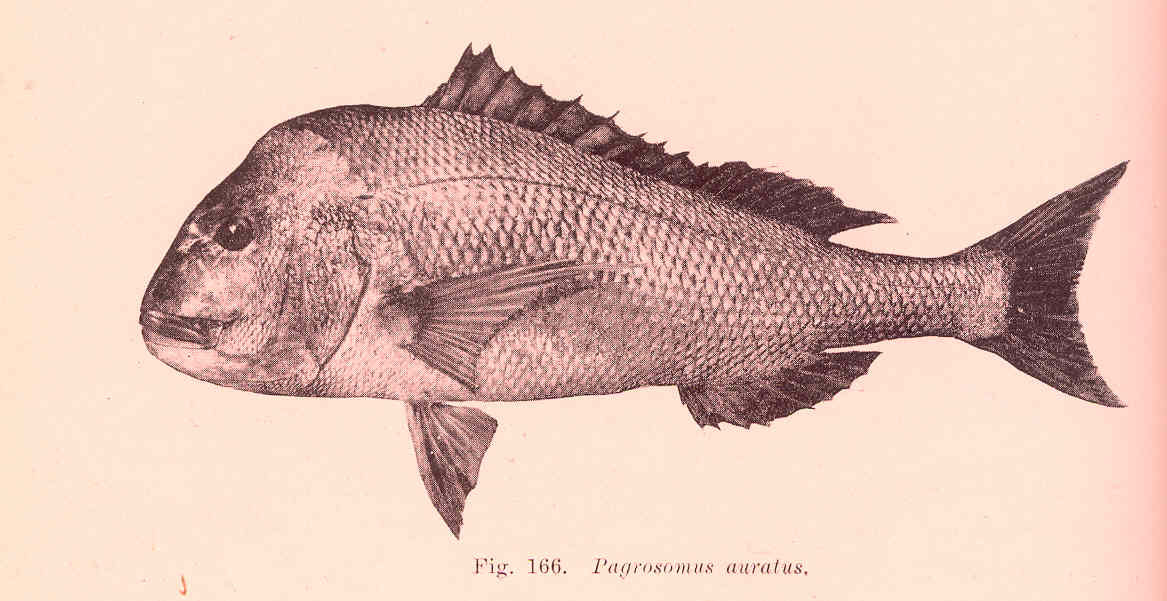
The Victorian snapper is Chrysophrys auratus, also found in older references as Pagrus auratus. Small fish are often called pinkies; they are young snapper, not a separate species with a different minimum size. The pinkish or silvery body commonly carries small blue spots, especially in juveniles. Large adults may develop a forehead hump, but that feature does not establish sex.
This is a seabream occurring around southern Australia and New Zealand, not one of the tropical fishes that also carry the common name snapper. Identify the whole fish rather than relying on a red colour. If a small bream-like fish is uncertain, compare the species account before deciding whether it can be retained.
Small juveniles eat tiny crustaceans; larger fish take worms, crabs and other invertebrates, while adults also consume fish and hard-shelled prey. That changing diet helps explain why both fish baits and bottom-oriented artificials can work. A shellfish bed, broken reef and open muddy ground should not all be fished with identical sinker weight and retrieve.
The seasonal opportunity and its limits
Port Phillip is an important spawning area for Victoria's western snapper stock, with spawning generally occurring between November and January. Spring and early summer therefore provide a useful planning window. Spawning timing is not a guaranteed bite calendar, and a temperature reading alone cannot tell you where fish will feed on a particular morning.
Begin with a modest search area rather than joining a distant group of boats merely because it is visible. Fish can use inshore reef edges as well as deeper ground. Low light can be worth testing, but boat control and a fishable presentation take precedence over arriving at a precise minute.
Wind affects the plan in two ways: it changes drift speed and can stir shallow water. A manageable breeze may help a search; a strong onshore blow is not an instruction to launch. If the lure never reaches its intended layer, the drift has become a presentation problem even before it becomes a safety problem.
Access and the first ground to examine
Patterson River's Launching Way is the documented Carrum launch. Check the current ramp and river conditions before departure. The eastern-bay fishing guide identifies snapper habitat off Carrum and Seaford, including artificial reefs around 11 m and deeper grounds around the 14–16 m band.
Treat those depths as search references, not coordinates or instructions to anchor anywhere along a contour. Survey a manageable patch with the sounder, looking for bottom changes and fish marks. A mark establishes a target to investigate, not a verified species identification.
On an artificial reef, begin at an edge rather than dropping tackle into the densest structure. On mud or shellfish ground, an anchored bait may fish cleanly with less risk of lodging. If a drift crosses both, note where contact changes and shorten later passes to the useful section.
Stay outside mapped marine sanctuaries and restricted navigation areas. Ricketts Point is a sanctuary, so a general reference to nearby reef habitat must never be read as permission to fish inside its boundary. This session can be planned around lawful eastern-bay ground without making that area a target.
A running bait rig for cleaner bottom
A 6–7 ft rod suited to roughly 6–10 kg line, a 4000–5000 spinning reel and 15–20 lb braid provide a practical starting outfit. Add a 30–40 lb leader approximately 1–1.5 m long for abrasion resistance around rough bottom and teeth. Match the outfit to the actual sinker load and expected conditions.
For a simple running rig, slide a small running sinker onto the leader, then tie a single 4/0–5/0 circle hook. A protective bead can sit above the hook knot. Begin around 7–28 g of lead in manageable conditions and use only enough weight to reach and hold the intended position. If the sinker repeatedly drags into rough ground, moving the boat or changing the cast is preferable to adding weight indefinitely.
Use a pilchard portion, squid strip or appropriately sized fish bait. Pass the hook through firm bait tissue while leaving its gape and point unobstructed. A long strip wrapped around the bend can stop a circle hook working. Cut the bait to suit the hook instead of making a small hook carry an oversized meal.
Anchor legally so the bait can settle back towards the chosen patch. Cast a modest fan clear of other lines and allow each bait to descend before tightening. Keep the rods securely held and the drag ready to yield. When a circle-hooked bait produces a sustained run, reel steadily until the rod loads; avoid a sharp strike.
An elevated bait alternative over awkward ground
If the bottom is rough enough to bury the running rig, a simple single-dropper paternoster offers a different geometry. Use about 1 m of 30–40 lb leader, tie a short dropper loop roughly 35–45 cm above its lower end, attach a suitable 4/0 circle hook to the dropper and the sinker at the bottom. Connect the top to the main line through a reliable swivel or line-to-line connection.
The aim is to keep bait above the bed while the sinker provides a depth reference. Start with a compact bait and a sinker light enough for the outfit but heavy enough to maintain contact. This is not a snag-proof rig: a lead wedged in reef can still hold fast. Shorten the drift or move onto the edge if repeated losses show the chosen path is wrong.
Keep moderate contact so you can distinguish the sinker touching bottom from a fish loading the rod. As with the running circle rig, wind into steady pressure rather than making an abrupt strike. Use the alternative because it changes bait height, not merely because the first rig has had five quiet minutes.
A soft-plastic rig for controlled drifting
For a lighter lure outfit, use a 7 ft rod rated for the lure load, a 3000–4000 reel, 10–15 lb braid and approximately 1–1.5 m of 15–25 lb leader. Begin with a 3–4 inch soft plastic on a 3/0–4/0 jighead, selecting a weight around 7–21 g as a trial range. Deeper water or faster drift may require more, but the rod must remain suited to the total weight.
Thread the plastic straight and check it swims without rolling. Cast ahead of the drift, allow it to sink on controlled slack and watch for the line to stop or flick. Confirm bottom contact, then lift the lure with one or two short hops and allow it to fall again. Snapper can take on the drop, so line watching matters as much as feeling the rod.
Use the boat's movement to cover ground, not to tow the lure far behind you. When the line trails at a steep angle and contact becomes vague, retrieve and recast ahead, reduce drift speed where safely possible, or choose a more sheltered patch. Continually feeding more line increases uncertainty about both depth and bite detection.
Pearl, natural baitfish and darker patterns are reasonable contrasting starting options. In cloudy water, test a more visible colour while keeping the same fall and track. No single colour is reliably best for all Port Phillip conditions. Straight rigging and repeatable contact provide a better basis for comparison.
| Bottom and conditions | Method | Working position | Why choose it | Change first |
|---|---|---|---|---|
| Clean mud or shellfish ground with fish marks | Running bait rig | Bait close to bottom behind anchor | Holds food near a defined patch | Boat position or sinker weight |
| Rough edge where bait becomes buried | Single-dropper paternoster | Bait above the sinker | Separates bait from some obstructions | Move off dense structure |
| Broad fishable ground with controlled drift | Jighead and plastic | Cast ahead, hop near bottom | Searches more ground | Recast before line trails too far |
| Wind prevents reliable contact | Shorter sheltered drift | Maintain a manageable line angle | Restores presentation control | Change location or end the drift |
A worked morning from Carrum
An illustrative session begins with a conditions check and a short sounder survey of lawful ground near the chosen eastern-bay area. Start with the plastic outfit on a controlled drift, using a head that allows bottom contact without a long trailing line. Repeat a promising pass before assuming one fish mark warrants anchoring.
If activity is concentrated over cleaner bottom, anchor outside navigation restrictions and try the running bait rig. Use a compact squid or fish bait and modest weight, then compare one presentation close to bottom with another cast angle. Keep any berley sparse and directed through the same area; feeding heavily cannot repair an anchor position that carries everything away from the fish.
After a quiet period, retrieve and inspect the bait. A missing bait, a buried point and an untouched bait are different observations. Correct the rig before moving. If several controlled presentations remain unproductive, relocate to a different bottom feature rather than changing every lure colour at the same depth.
Brief rules and handling note
Checked 2 November 2026: VFA lists a 28 cm minimum snapper length and a bag limit of ten, with no more than three 40 cm or longer. Retained fish must remain whole or in permitted carcass form while in or on the water; ramp cleaning-table provisions apply. Hold a Victorian recreational fishing licence unless exempt and check sanctuary boundaries and navigation restrictions. Use a landing net, support fish during unhooking and return unwanted fish promptly. Carry the required boating safety equipment and abandon the session when conditions exceed the craft or crew's capability.