Saltwater tackle care is a sequence: separate, clean, dry, inspect and restock. The aim is to return equipment to reliable working condition and notice damage before the next trip. A simple routine completed promptly is more valuable than an ambitious overhaul you never begin.
Start with the manual for the exact rod, reel, tool or electronic device. Sealing, drag materials and lubrication points differ. This guide describes routine external care and inspection; it is not permission to dismantle a sealed mechanism or apply the same oil everywhere.
Begin before leaving the water
Keep the reel out of sand and unnecessary spray during the trip. Use a secure rod holder or a clean resting surface instead of laying it on the beach. When changing lures, put used wet items in a separate container with protected hook points. This prevents one wet lure from wetting an entire box of untouched tackle.
Before transport, secure hooks and remove loose items that can damage rods or injure someone opening the bag. If a reel has been immersed or develops grinding, stop using it and note what happened. Continuing to turn a contaminated mechanism may worsen the problem. Tell the service technician whether the exposure was saltwater, freshwater or sand.
At home, open the bag rather than leaving it closed in a car. Set up a stable cleaning area away from children, pets and food preparation. Keep sharp lures in a shallow tray where you can see them, not hidden under a cloth.
Read the reel instructions before rinsing
Shimano's general care guidance calls for gentle removal of dirt, fresh-water cleaning after salt exposure and avoiding immersion. Daiwa and PENN also describe light external rinsing rather than a forceful jet. The practical aim is to remove surface contamination without driving water into the mechanism.
For a reel whose manual allows it, use a gentle fresh-water rinse or damp cloth, following the prescribed drag setting. Do not assume a sealed reel is fully waterproof. Daiwa specifically distinguishes its Magsealed barrier from complete waterproofing.
Keep any spray light and controlled. Do not pressure-wash the reel, soak it in a bucket or use hot water as a shortcut. Remove visible surface sand gently; do not scrub it into openings. If your model has a more specific instruction, that instruction governs the routine.
Dry before deciding what needs work
Wipe the exterior with a clean soft cloth and allow it to finish drying in a ventilated, shaded place. Do not use a heater or leave equipment baking in a closed vehicle. Follow the manual on loosening the drag for storage. Keep the reel where it cannot fall while the rod is moved.
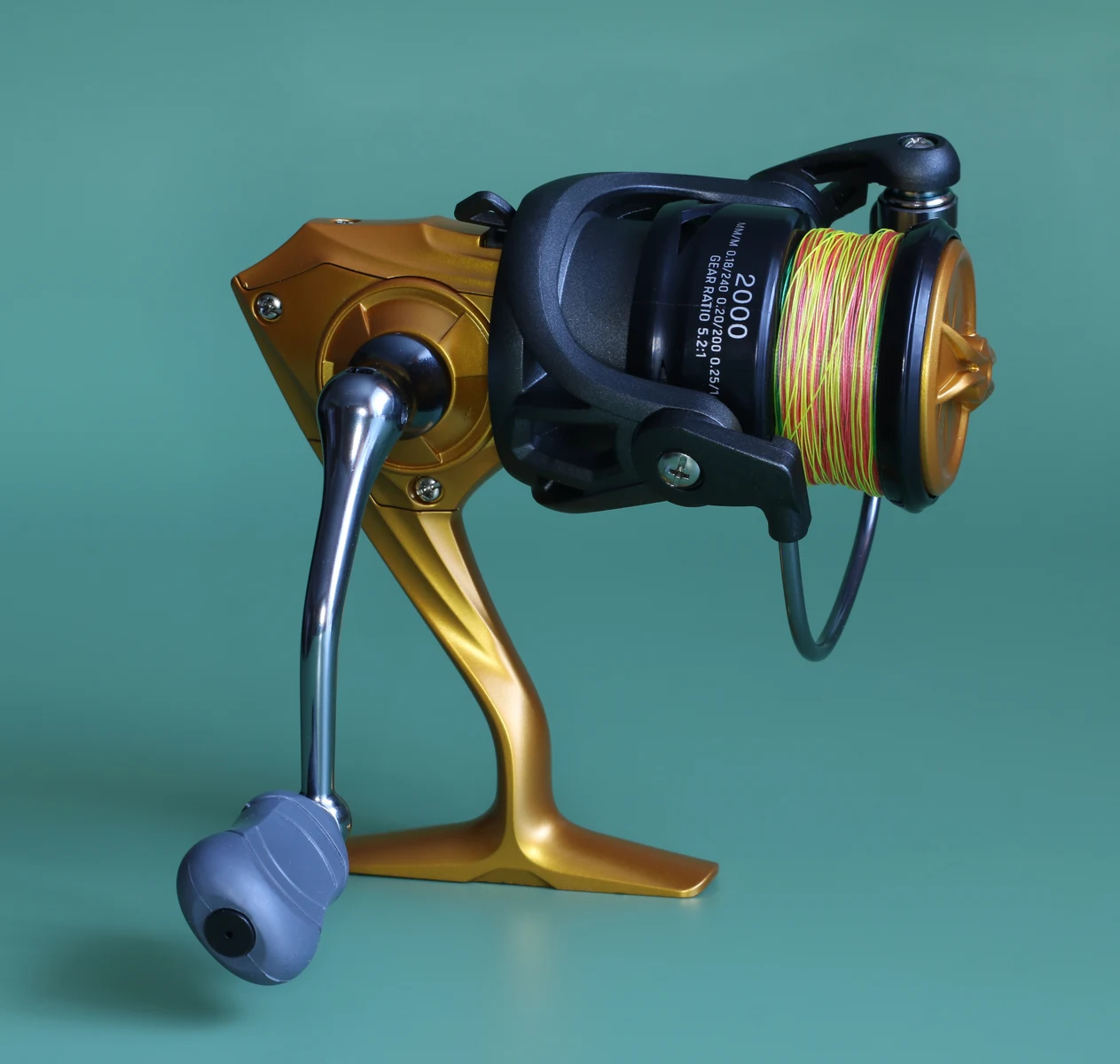
Once dry, turn the handle gently and check for a new rough spot, unusual noise or resistance. Operate the bail and inspect the line roller without forcing anything. Compare the feel with its normal operation. A quiet reel that suddenly feels gritty needs attention, not a stronger turn of the handle.
Make a simple service note with the model, symptom and circumstances. For example: grinding began after sand exposure; no immersion known. This is more useful to a technician than reel broken, and it helps you distinguish a new problem from a long-standing characteristic.
Lubricate only the specified points
More lubricant is not a substitute for correct cleaning. Use the product and small amount specified for your model, and only at the approved points. Wipe away excess. Keep it away from line, bait and water, and dispose of contaminated cloths appropriately.
Manufacturer guidance can differ materially. PENN's illustrated spinning-reel routine includes oil on the main shaft, while Daiwa's general FAQ warns against oil down a spinning reel's main shaft. That difference is a reason to consult the exact manual, not combine online instructions into a universal recipe.
Do not open a sealed system or add oil through an unidentified opening. Shimano directs long-term internal maintenance to a dealer, and Daiwa directs servicing of Magsealed components to its service center. If you cannot identify the lubrication point and approved product confidently, leave the internal work to an appropriate technician.
Inspect the rod from handle to tip
Clean the handle, reel seat, blank and guides according to the rod instructions. Separate multi-piece sections only as recommended, and keep the joints free of grit. Do not force a stuck joint or use improvised tools that can crush the blank.
Look along the rod for impact damage, loose guide bindings or a displaced insert. Examine the guide rings in good light. A chipped or rough ring can damage line even if the reel is working perfectly. Stop using a suspect guide until it has been assessed; repeatedly replacing line will not remove the cause.
Check that the reel seat holds securely and that the handle is sound. Store the rod supported without a heavy bend and with hooks removed or safely secured. Avoid trapping tips in doors or putting heavy luggage on a rod case during the drying and packing process.
Check the line and terminal tackle
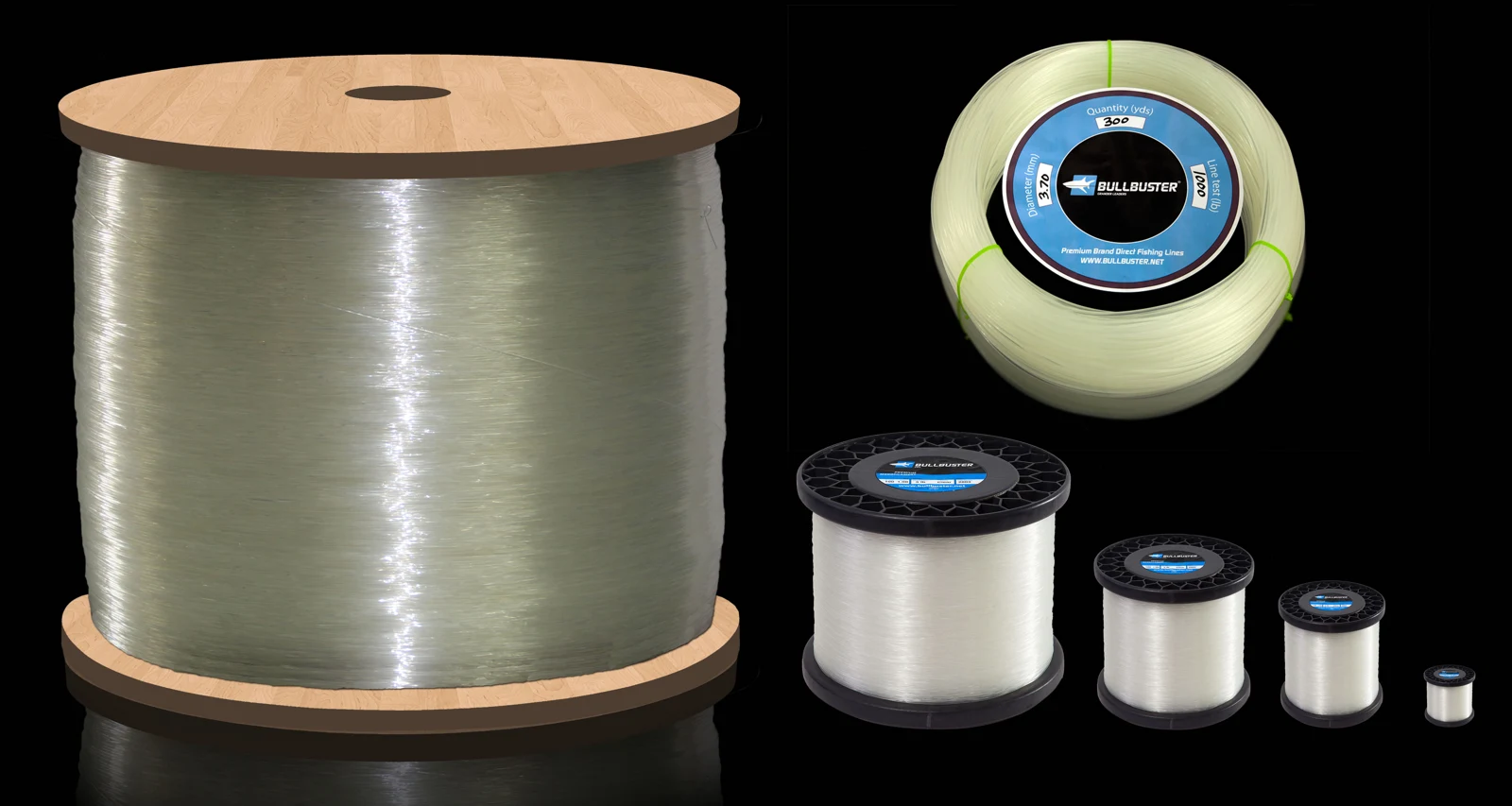
Inspect the working length of line for abrasion, flattened sections, fraying and damaged knots. Check more than the final few centimetres if it contacted rocks, a boat hull or rough structure. Remove damaged material and tie a fresh connection; do not hide a suspect section under another knot.
Test knots with the hook safely secured away from the body, never by wrapping line around bare fingers. Check hooks for damage, corrosion and an opened shape. Replace weakened components with compatible sizes and strengths. A very heavy replacement hook can alter how a small lure swims, so match the original design where appropriate.
Rinse and dry washable lures and tools as their makers recommend. Keep soft plastics according to their packaging instructions because some materials react with other plastics. Allow boxes to dry fully before returning clean tackle. Inspect hinges, split rings, snaps and plier jaws while everything is visible.
Know when routine care is insufficient
A dunked reel, a slipping anti-reverse, a drag that sticks, a bent shaft or persistent grinding deserves professional assessment. Daiwa advises prompt service following full immersion. An external rinse does not establish that the inside is clean or undamaged.
If a reel needs service before an important trip, arrange it with enough time for inspection and parts. Do not invent a fixed annual service interval for every angler: exposure, frequency of use and the manufacturer's schedule matter. Record service dates and significant incidents so decisions are based on the reel's actual history.
Finish with a next-trip check
Restock the few components you used, note any repair still required and store everything only once dry. Put a visible tag on equipment that must not be fished until repaired. Before the next outing, check drag operation, line, knots and rod condition again.
A maintenance log can be short: date, salt exposure, cleaning completed, damage found and action needed. The routine is complete when you know which equipment is ready and which needs attention, not merely when the outside looks clean.