Plan a short daylight session on one defined reach
The Saône offers a useful setting for learning controlled zander presentations in late autumn, but it is a large river crossing several administrative boundaries. This guide concerns the Saône in the French department of Saône-et-Loire, with November and December 2026 as the planning window. It does not extend one department's rules to every reach bearing the river's name, or certify access to a particular harbour, quay or gravel pit.
The aim is a modest bank-fishing session using artificial lures: a few legal positions, a manageable range of depths and an exit before darkness. This is a seasonal preparation guide, not a report of fish currently feeding at a named location. No particular water level, catch rate or daily feeding window is promised.
For a visitor, the first useful purchase is the right fishing permission, followed by a conversation with the local AAPPMA or departmental federation about the exact stretch. Mark a legal parking place, a safe bank route and an alternative before choosing lures. A visible path or attractive waterside photograph does not establish a right to fish there.
What the 2026 rules actually say
The prefecture's 2026 opening chart, published through the Saône-et-Loire federation and visually checked for this guide, places second-category Saône and Doubs zander fishing in an open period from 25 April through 31 December 2026. The chart lists a different spring opening for the rest of the department. The autumn dates therefore fit this guide, subject to local reserves, specific water rules and any later restrictions.
In second-category waters, the chart gives zander a 50-centimetre minimum retention length. It also lists a combined daily allowance of three zander, pike and black bass, with at most one pike and one black bass within that total. This is a combined allowance, not three of each. Local rules can be stricter; the federation identifies a one-zander daily restriction at the Gravière de Fleurville, for example. That gravel pit is not an interchangeable extension of the main-river plan.
The federation's current regulations restrict ordinary fishing to the period beginning half an hour before sunrise and ending half an hour after sunset. Its designated night-carp arrangements do not authorize night fishing for zander. Use the actual local sunrise and sunset times for the date, and leave a margin for walking back and packing. A headlamp helps with the return; it does not extend the fishing period.
Obtain a valid carte de pêche covering the water and methods you intend to use. The federation explains day, weekly and annual options and warns that local particulars remain important. Do not infer that buying a card gives unrestricted access to every private bank or every association's water. This article recommends one actively attended lure rod rather than relying on the maximum number of rods allowed by a particular card.
Check reserves before searching for fish
The federation publishes fishing reserves and prohibitions for 2023–2027, linked to prefectural orders, and directs anglers to its mapping service. Consult the exact map position before treating a side channel, port basin or structure as a fishing spot. Some places that look ideal on a satellite image have restrictions that are not obvious from the road.
Spring zander protections and local rules illustrate why a general seasonal table is only the start. For this autumn trip, check the reserve boundary and any current notice, then choose a clear, uncomplicated stretch. Do not fish close to locks, navigation works or restricted port infrastructure simply because another angler once posted a photograph there.
The main river and a nearby gravel pit can have different permissions, limits and practical risks. Write the chosen water's name and managing association in your notes. If the boundary or rule is unclear, use another verified stretch. That small decision prevents a fishing day from depending on an assumption you cannot resolve at the bank.
Read the near water before casting far
Begin with visible changes: a sloping bank meeting deeper water, a quieter edge beside the main current, or an accessible transition between different bottom types. Treat each as a hypothesis to test. Neither a deep-looking hole nor a line of moored boats proves that zander are present.
Make the first casts short enough to understand how the lure sinks and swings. Observe floating leaves and the direction in which the line bows. The current at your feet may differ from the current farther out. If you cannot tell whether the lure has reached bottom, shorten the cast before adding a much heavier jig.
Plan landing at the same time. A low, stable edge with room for a net is preferable to a high wall requiring a fish to be lifted by the line. Avoid slick stone, steep mud and undercut margins. This guide does not recommend wading an unfamiliar navigable river to gain casting distance.
A straightforward soft-plastic outfit
As a practical editorial starting point, use a spinning rod around 2.4–2.7 metres with a casting range suited to the jigheads you carry, a balanced reel and roughly 10–20 pound braid. A leader around 0.30–0.40 millimetres can provide abrasion resistance for ordinary zander presentations. These are setup suggestions, not legal requirements or guarantees against every tooth or snag.
Pike can share the water. Where encounters are plausible, use an appropriate wire or other genuinely bite-resistant trace rather than claiming fluorocarbon is reliably pike-proof. Choose the trace and connection so the lure still moves properly. If the change makes the lure awkward, alter the lure or presentation; accepting avoidable bite-offs is not a sensible performance tradeoff.
A compact starting box might hold soft plastics around 8–12 centimetres and jigheads from approximately 5 to 20 grams, all within the rod's rating. Those weights cover experiments, not every flow condition. If you need far more weight to maintain control, choose a more sheltered legal position or abandon the session instead of exceeding the tackle's limits.
Rig each plastic straight so it does not twist around the hook. Match the hook size to the lure body and leave the point unobstructed. Use a secure knot or appropriately rated small clip, test the connection and inspect the leader regularly. Carry a long-handled net, pliers and a measuring aid before thinking about a second rod.
Learn bottom contact without dragging constantly
Cast slightly across the flow from a stable position and let the lure descend on controlled line. Watch for a change in line angle or a softening of tension that may indicate bottom contact. If uncertainty persists, compare several short casts over the same safe area instead of assuming every pause is a bite.
Use a modest lift followed by a controlled descent, keeping enough contact to notice a change. The goal is to understand the lure's path, not to produce the highest possible hop. A heavy jig continuously wedged among stones is giving you information about a poor presentation, not proving that the fish want an even heavier lure.
Change one variable at a time. First adjust the casting angle; then alter the weight or retrieve length if necessary. A few grams can change how a lure falls, but there is no universal ideal weight for the entire Saône. Wind, line diameter, current and casting distance all affect the result.
A steady, slow swimming retrieve just above the bottom is a useful alternative to repeated lifts. Try it along the same reachable contour, watching for snags and keeping the lure moving. If the fish are absent or inactive, no retrieve creates a guarantee. The purpose of this comparison is to learn which presentation you can control and where definite contacts occur.
Work a position, then reassess it
Give each chosen feature a deliberate sequence: near margin, middle distance and the farther edge you can still control. Record definite bottom contacts and any clear strikes. Avoid turning every tap into a claimed zander bite; stones, branches and changes in flow can feel convincing.
If a lure returns damaged or repeatedly fouled, inspect it before making the next cast. Re-rig bent plastics and replace compromised leader. When snagged, do not raise the rod into an extreme bend or pull a loaded lure toward somebody. Protect your hands and eyes, and abandon tackle if retrieval would require climbing an unsafe bank or entering the water.
If there is no result after a considered series, move to the next verified position. Changing location is useful only if the new position tests a different depth or flow situation. Walking randomly until sunset can leave you far from the car with little usable information about the water.
River level matters more than a tide table
This is an inland river session. Use river-level information, rainfall and current observations rather than coastal tide predictions. Vigicrues is the French public service for flood-risk information on the principal rivers. Check the local territory and observations near the trip, rather than relying on the national colour alone or a screenshot from a previous week.
A low bank can become inaccessible during a rise, and a return path can flood before the casting position does. Avoid rising water, floating debris, flooded paths and unstable margins. A clear weather forecast at your hotel does not establish what is happening upstream. Choose a conservative cancellation point before travel.
Cold air, rain and wind also reduce dexterity. Carry dry clothing, waterproof storage for the phone and enough daylight to leave without rushing. Wear a suitable lifejacket where a fall could put you into deep or moving water. Fish with company when possible, and leave somebody an accurate route and return time.
Make landing and release uneventful
Keep the net ready before the first cast. Bring a hooked fish toward the planned landing position with steady pressure instead of trying to slide it up the bank. Wet the net and hands, support the fish and keep it close to the water while removing the hook. Keep fingers away from teeth and use pliers appropriately.
Measure only as needed for a lawful retention decision, and release an undersized fish promptly. This guide favours a short, uncomplicated session and conservative handling rather than collecting a full allowance. Do not carry a fish along the bank to find a more attractive photograph, or describe a released fish's survival as established when it is unknown.
For released fish, limit air exposure and avoid fishing very deep positions that create additional handling and pressure-change concerns. If repeated catches appear distressed, stop and reconsider the location and method. A decision to release does not remove the responsibility to choose an appropriate way to fish.
A three-position afternoon plan
Before departure, confirm the exact reach, card, reserve boundaries and current conditions. Choose three nearby positions with safe net access. Arrive early enough to walk the route, inspect the bank and learn the first position in good light. Begin with one straight-rigged plastic and a weight you can control.
At each position, work the same short sequence and write down what differs: current angle, bottom contact, snags and definite fish encounters. Change one aspect of the presentation before moving. Finish the fishing with enough time to pack and return well within the legal and practical limits, even if the final position looks promising.
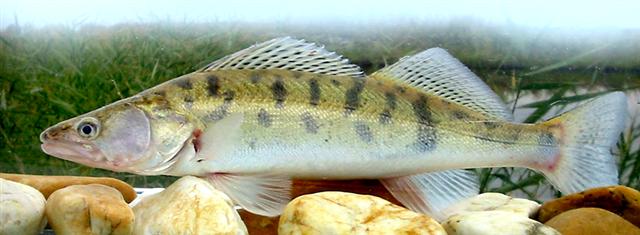
The cover is Akos Harka's identified Sander lucioperca photograph from Hungary, licensed for reuse and shown uncropped. It is species context, not a Saône capture. This AI-assisted guide distinguishes current source-based rules from editorial tackle and session suggestions; check the official chart and local notices again before fishing.