
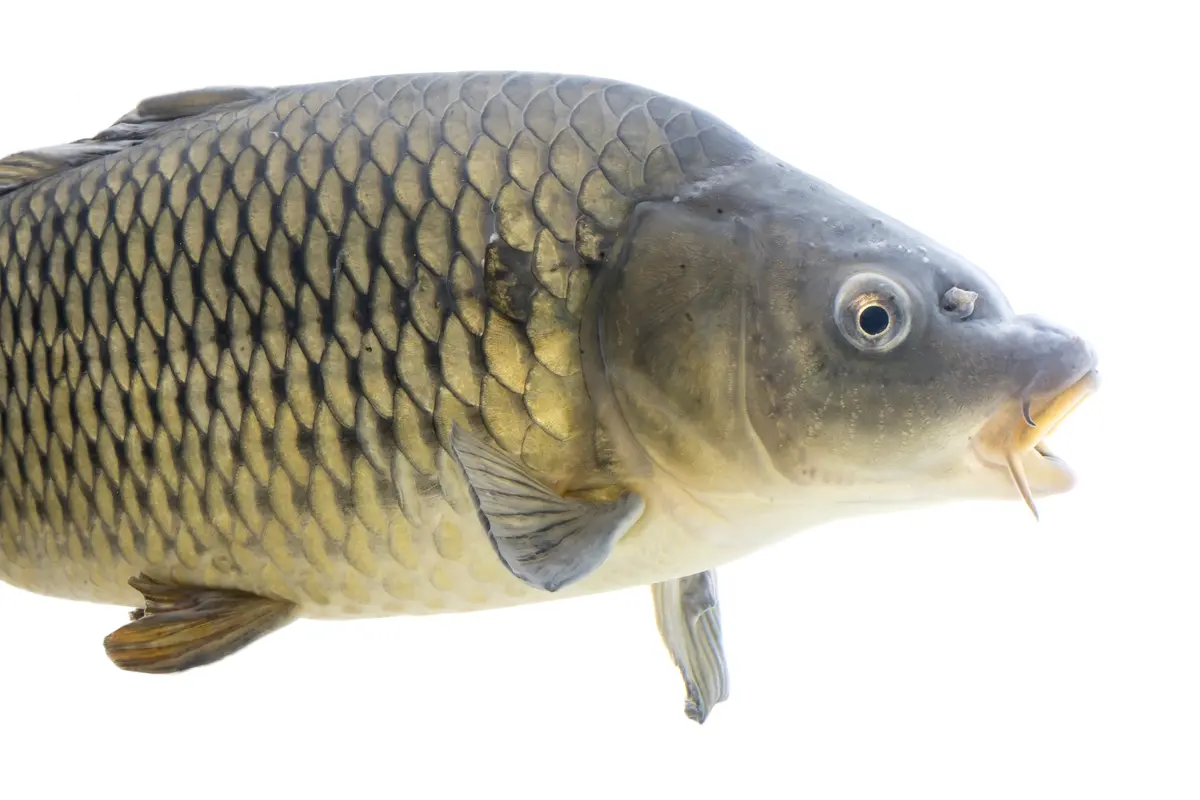
Theewaterskloof is a large, exposed Western Cape dam, and common carp are one of the species CapeNature lists there. A summer bank session can be simple, but heat, wind, changing water level, access and fire risk matter as much as bait. This guide is designed for a legal public-access session with modest equipment and a clear environmental plan. It does not promise fish or describe firsthand conditions. The cover is a U.S. Fish and Wildlife Service photograph of Cyprinus carpio at a hatchery, used as a representative species image rather than a South African catch.
Permit and permission first
CapeNature states that anglers older than six need an angling licence for public rivers and state-owned dams in the Western Cape, including Theewaterskloof. Its current permit page gives an application process, fee and expected processing time, so apply before the trip rather than assuming a permit can be obtained at the bank. Private farm dams are different: the provincial page says a public-water licence is not required there, but owner permission is still necessary. At Theewaterskloof, also confirm the specific recreation area, gate hours, vehicle access, local charges and any temporary water-management or safety closure. A provincial licence does not override a locked gate, private shoreline or site rule.
Understand the conservation context
Common carp are an introduced species in the Western Cape. CapeNature’s current recreational page says most alien fish such as carp generally have no bag or size limit, while local rules can still apply. It also requires catch and release for indigenous freshwater fish and says fish may not be moved between waters without a permit. Recheck those rules before fishing. Never use “alien” as a reason to leave a fish or waste on the bank. If retaining carp is lawful and intended, dispatch and transport it responsibly. If releasing, handle it efficiently. Any indigenous fish should be identified, kept wet and returned as required. Do not stock, transfer or use live fish as bait.
Choose a bank with room and an exit
A productive-looking shoreline is not enough. Select legal access with stable ground, enough space for casting and no need to drive off established tracks. Changing dam level can create soft mud, submerged wire, old foundations and abrupt shelves. Walk the bank in daylight and probe uncertain footing. Keep away from livestock, water infrastructure and nesting birds. Avoid narrow points where rising wind can trap lines against the shore. A bay or point with a gradual shelf, nearby deeper water and signs of feeding such as bubbles or coloured patches can be a logical start, but treat those signs as clues rather than proof.
Summer timing and heat
Western Cape summers can be hot, dry and windy. Plan early morning or late afternoon to reduce heat stress on people and fish. Carry more drinking water than expected, broad-spectrum sun protection, a hat and a shaded place for unhooking equipment. Check fire-danger notices and do not light a fire unless expressly permitted. The CapeNature code warns that rivers and dams occur in fire-sensitive landscapes and urges visitors to use established roads and paths. If wind strengthens, casting heavy leads becomes unsafe and alarms may become difficult to hear. Stop before heat, wind or visibility compromises judgement.
A balanced carp outfit
A medium or medium-heavy rod between roughly 2.7 and 3.6 metres, a reel with a reliable drag and abrasion-resistant main line will cover many bank situations. Match line and leader to snags and casting distance rather than selecting extreme breaking strain by habit. Use a simple running sinker or safe semi-fixed lead arrangement that can release or slide if the main line breaks. A short hair rig with a strong single hook can present maize, boilie or another lawful bait while leaving the point clear. Carry a large knotless net, padded mat, forceps, measure, scale sling if weighing, antiseptic suitable for fish care, line cutters and a bucket for wetting the mat.
Groundbait without waste
Start lightly. A few small offerings around the hook bait can identify whether fish are present without creating a pile of unused food. Maize, pellets or boilies must be prepared and used responsibly; hard, improperly prepared particles can be unsafe. Follow product guidance and local rules, and never dump leftover bait into the water. In warm conditions, spoiled bait is a hygiene problem. Place one rig close enough to monitor accurately and a second only if permitted and manageable. Record which depth and bottom type each rod covers. If nuisance fish repeatedly remove bait, change presentation rather than feeding ever larger quantities.
Bite indication and line control
Use rod rests that are secure in wind, alarms or visual indicators that can be heard and seen, and a drag or bait-runner setting that prevents a fish from pulling the outfit into the water. Keep lines low where boat traffic or birds are a concern, while avoiding abrasion on rocks. Remain close to attended rods and maintain a clear path to each one. When a fish runs, lift smoothly and let the drag absorb sudden movement. Side strain can guide a carp away from snags, but excessive pressure on a short line can tear the hook free. Assign one person to the net and wet it before use.
Handling and release or retention
Wet the mat and net before the fish arrives. Keep the carp low, support its body and never lift it by the gills or jaw. Remove the hook with forceps and cut a deeply embedded hook if that reduces damage. If photographing, prepare the camera first, kneel over the mat and limit air exposure. For release, carry the fish in a wet sling or net, face it into clean water and let it regain balance. For lawful retention, dispatch humanely and keep the fish cool. The cover photograph shows a hatchery fish held for identification and should not be treated as a model for prolonged display.
Protect indigenous fish and the catchment
CapeNature says the Western Cape contains threatened indigenous fishes displaced from much of their former range by alien species. Anglers can reduce further harm. Never transfer carp, baitfish or water. Dry or disinfect nets, mats and boots between waters to reduce movement of parasites and disease; this is specifically recommended in the provincial code. Use existing paths to prevent erosion, avoid trampling reeds and remove every length of line. Fishing line can entangle birds. Keep noise down near roosts and nesting areas. Report tagged fish or unusual captures through the relevant programme, recording a clear photograph and location without moving the fish elsewhere.
Common mistakes
The first mistake is arriving without a processed licence or confirmed gate access. The second is choosing a mud flat that becomes impassable after a water-level or weather change. The third is feeding heavily before any fish are located. The fourth is using a fixed lead system that leaves a fish towing tackle after breakage. The fifth is placing the unhooking mat far from the water or in direct sun. The sixth is treating alien status as permission for careless disposal. The seventh is moving live fish between dams. A short checklist prevents most of these failures before the first cast.
A practical six-hour plan
Confirm permit, access, weather, fire notices and water-level information the day before. Arrive in daylight, select stable ground and prepare the wet mat, net and release route before baiting. Put one rig on the near shelf and one at a measured deeper position only if local rules and safe line control allow it. Feed sparingly. Recast on a schedule rather than from impatience, checking hooks and leaders each time. If the sun or wind becomes severe, shorten the session. Record water colour, depth, bait, wind and any fish handling. Pack out litter, unused bait and line, then dry or disinfect equipment before another water. The method values a safe, lawful session and a clean bank over a numerical catch target.