Keep the whole rig within reach
A small goldfish session works best when the bait, float and loose line are all easy to control. You do not need to reach the middle of a lake. A clean patch close to the permitted bank can let you see how a bait settles, change depth precisely and notice a small take before the hook is swallowed.
Turtle Lake at Hamilton Gardens is listed by Fish & Game as a junior coarse-fishing venue with goldfish present. The Gardens operator's visitor guidance allows hand-line fishing there and excludes fly fishing. This plan therefore uses a hand line, with a float as the first method and a very light bottom rig as the alternative. Check current signs and staff guidance before setting up.
The rig sizes, depths and session intervals below are practical starting suggestions. This is a learning plan for spring and summer visits, not a claim that the lake's fish are feeding at a particular hour or that a large specimen is waiting beside a named tree.
Wild goldfish can be bronze
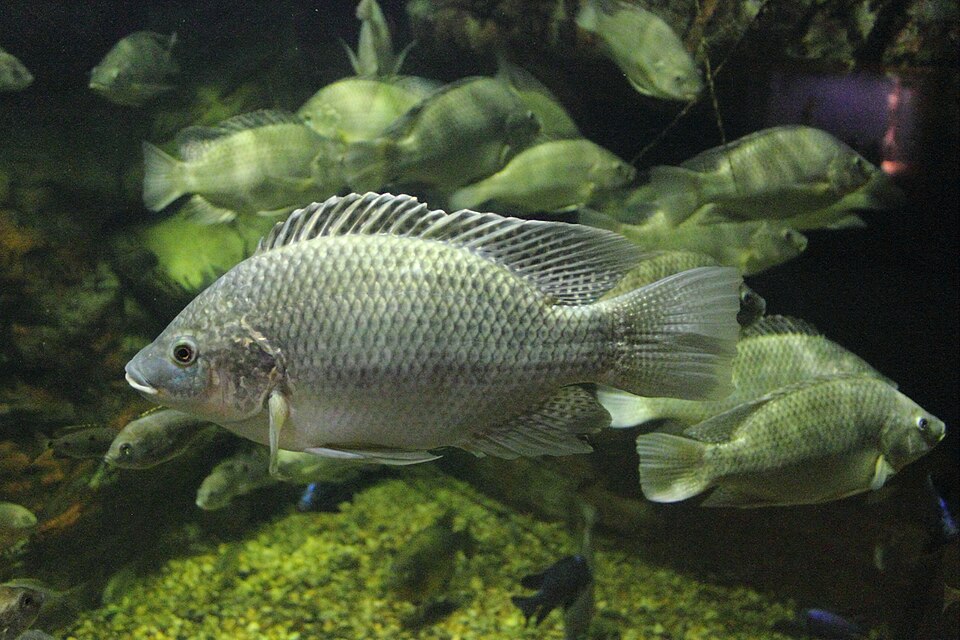
The target is Carassius auratus. Wild fish commonly have a dark bronze or olive appearance rather than an aquarium fish's bright orange colour. Look for a relatively deep scaled body, a long-based dorsal fin and no barbels at the mouth corners.
Koi carp have mouth barbels and can be much larger, but size alone is not a safe distinction. Rudd have a shorter dorsal fin and often red fins. Perch have a different dorsal arrangement and dark vertical markings. Learn those differences before interpreting every small fish beside the bank as a goldfish.
Goldfish are introduced and widespread in New Zealand's North Island. They use still or slowly moving water and eat a mixture of plant material, detritus, small insects and crustaceans. These facts make a small worm section or a modest bread bait reasonable practical tests. They do not establish which food is most abundant at Turtle Lake.
Use Turtle Lake rather than the ornamental ponds
Turtle Lake is separate from the Enclosed Gardens' ornamental water features. The operator excludes fishing from the Japanese Pond and English Garden lily pond. Enter through the permitted public route, check the current garden map and choose a bank where fishing can coexist with pedestrians.
Hamilton Gardens is on Hungerford Crescent off Cobham Drive. Allow time to find the lake and check the current rules rather than carrying a baited hook through crowded visitor areas. Fish & Game specifically warns anglers to keep off the gardens and respect other park users.
Choose an open bank with a low, clear landing edge. Keep the line tray and tackle beside you, away from the path. If the only available position requires casting across people or birds, wait or leave it. A hand line needs very little space when lowered gently, but loose coils across a walkway create an avoidable problem.
Before baiting, identify two small lanes within easy reach. One might be clear water beside vegetation, the other a slightly deeper open patch. Avoid dragging hooks through plants or disturbing bank habitat to create a swim.
Search depth in a controlled sequence
Begin with the bait around 20–40 cm above the bed after measuring the depth. Compare that with a bait just touching a clean bottom patch. If fish are visibly taking food higher up, raise the float setting and test their level. These are presentation choices, not a statement that goldfish always feed at the bottom.
A sheltered edge is often easier to read than a wind-exposed bank. A breeze can pull loose line and make a small float skate across the water. Keep the cast short and gather slack into the tray. If the float still travels too quickly, use the bottom rig over clear ground or choose a more sheltered station.
Goldfish reproduction is associated with warmer spring and summer water, but that biological season is not a guaranteed feeding schedule. Leave obvious spawning activity undisturbed. Bright light may help you watch the rig, while glare can make a dark float tip disappear. Choose a visible tip rather than assuming a particular light level must improve the bite.
Build a manageable hand-line outfit
Use a smooth hand spool carrying about 10–15 m of 6–8 lb monofilament, with only the short working length released. Connect a 30–50 cm hooklength of 3–5 lb mono through a tiny swivel or a reliable line-to-line connection. The finer end section helps present a small bait while keeping the main line easier to handle.
Place spare line in a shallow tray in loose, clear coils. Never wind line around fingers, wrist or any part of the body. An adult should supervise a junior angler and manage a larger incidental fish. Keep a small landing net and a disgorger or narrow pliers close by.
A hand line has no rod to cushion a sudden pull. Make smooth movements and give line from the spool under controlled pressure when necessary. Do not try to haul a fish through vegetation or lift it over a high edge. Select a different position if the available net cannot reach.
Rig one — a small fixed float
Attach a 1–2 g narrow float using its designed fittings. Add small split shot to the main line, placing most of the load about 30–40 cm above the hook and leaving the hooklength free of crushed shot. Start with a fine but sound size 16–14 J hook.
Use a plummet briefly to find the bottom, then remove it and set the float so the bait hangs a little above the bed. A tiny worm piece about 1–2 cm long is a starting bait. Hook it through a firm section and leave the point clear. A small pinch of soft bread is an alternative, provided it stays on without burying the point.
Lower the rig or make a gentle underarm placement into the chosen lane. Avoid swinging a baited hook near anyone. Let the float settle, then gather slack without towing it toward the bank. Watch for a deliberate dip, sideways movement or a float that unexpectedly lifts.
Set the hook by taking up slack and giving a short, smooth pull. A sharp jerk can tear the hook free. Guide a hooked fish toward the net while keeping the line clear of feet and other equipment. Do not leave the bait fishing unattended.
Rig two — a light running ledger
If wind makes the float difficult to read, thread a 2–5 g running weight onto the main line, add a small protective bead and tie a swivel. Attach the same 30–50 cm hooklength and size 16–14 hook. The weight should slide freely without being trapped between fixed stops.
Place the bait on a clean patch within comfortable range. Let it settle and take up slack until the line is just straight. Hold it lightly above the tray, without wrapping it around a finger. Look and feel for a sustained movement, then make the same controlled short pull used with the float.
Use the lightest weight that holds the patch. A large sinker adds casting risk and can bury a tiny bait in soft material. If every retrieve returns with weed, suspend the bait under the float instead. If the bottom rig repeatedly catches an obstruction, move immediately rather than treating tackle loss as normal.
A whole corn kernel can be tested only when it fits the actual hook and fish size. A smaller piece is often easier for a small mouth. Artificial lures are a poor first comparison for this mixed-feeding target and this short hand-line method. Concentrate on bait size, fall and height before adding more equipment.
Feed sparingly and interpret the result
Begin with the hook bait alone. If feeding is permitted, add only a few tiny matching crumbs or worm pieces. Stop if birds or turtles begin investigating the line. Do not turn a fishing session into general wildlife feeding.
An untouched bait after several clean presentations suggests trying a different depth or lane. A missing bait suggests checking its durability and hook exposure. Repeated taps without a solid take can come from smaller fish, while repeated float dips at the same point may be vegetation. Retrieve and inspect rather than guessing.
| Observation | Starting response | Rig | Presentation | Next adjustment |
|---|---|---|---|---|
| Clean edge beside vegetation | Test just above the bed | Fixed float | Gentle placement and a stationary pause | Change depth in small steps |
| Float pulled by wind | Reduce loose line and range | Float or light ledger | Keep the bait in one readable patch | Move to shelter |
| Bait repeatedly missing | Make it smaller and firmer | Either | Keep hook point clear | Inspect sooner |
| Weed on every retrieve | Lift the bait clear | Fixed float | Suspend above plant tops | Move outside thick cover |
A worked family session
Allow about ninety minutes, including the access check and observation. Begin with a 1 g float, size 16 hook, 40 cm hooklength and a small worm piece. Measure a clear patch and place the bait slightly above bottom. Give the angler time to recognise the normal float position before changing anything.
After fifteen minutes without a sign, compare a second depth and then the other lane. If the bait is repeatedly removed, reduce its size before changing the hook. If wind makes the float unreadable, compare the 3 g running ledger in the same clear patch.
Finish while attention and line control remain good. Record the useful depth, bait and whether the float or bottom rig was easier to understand. A short, well-managed session is a repeatable lesson even if no fish is landed.
Local rules and brief care
Fish & Game lists goldfish as requiring no sport-fishing licence, while perch and rudd require one. Its guidance says to return an accidentally caught licence species promptly when fishing without the relevant licence. Follow the Gardens' hand-line conditions, keep away from the ornamental ponds and recheck the current visitor rules.
Use wet hands and prompt unhooking over the net. Do not take live fish away for an aquarium or move them to another water. DOC requires authorisation for freshwater transfers. Clean and dry equipment between waters, and keep children away from any posted water-quality hazard.