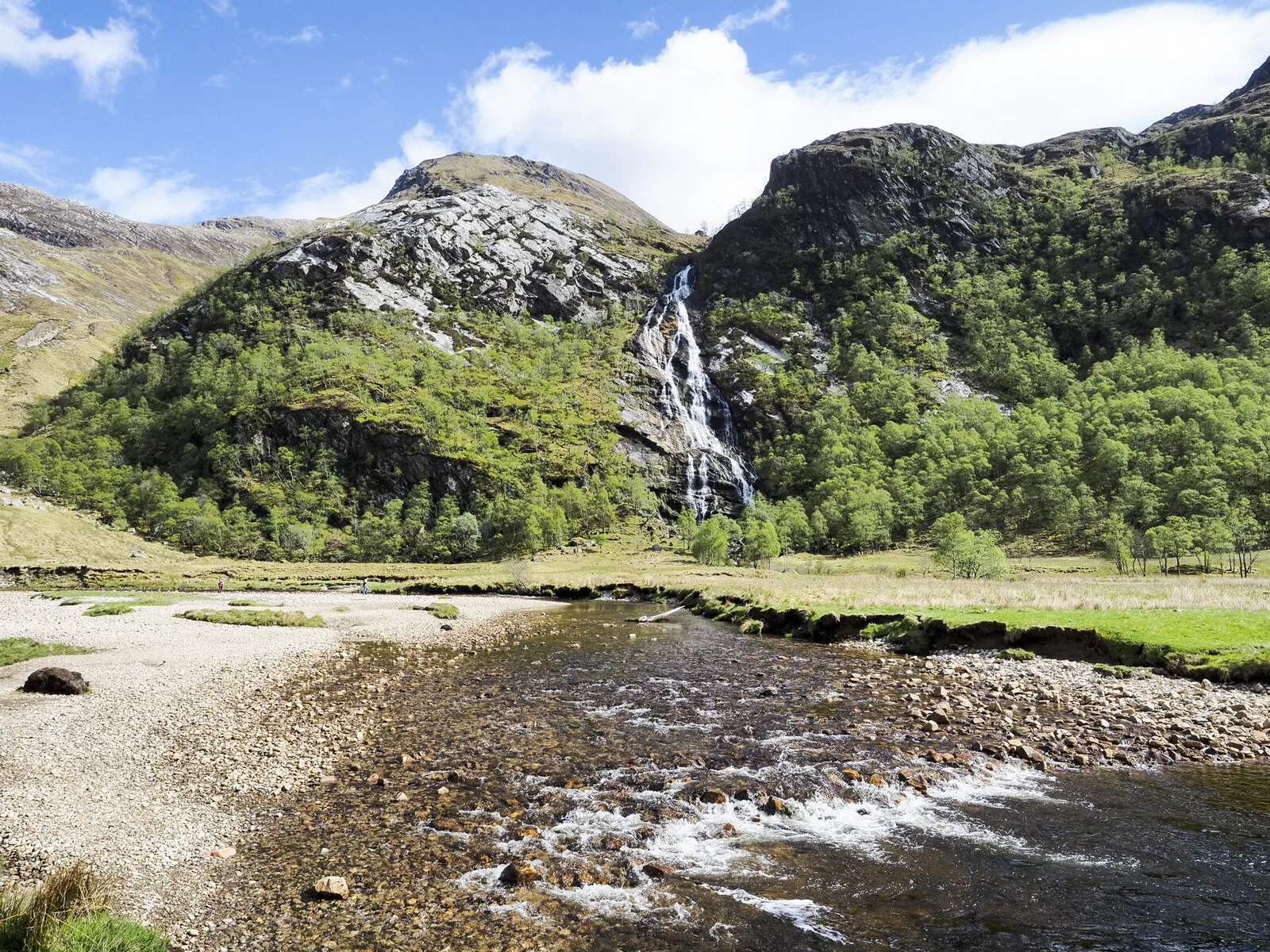
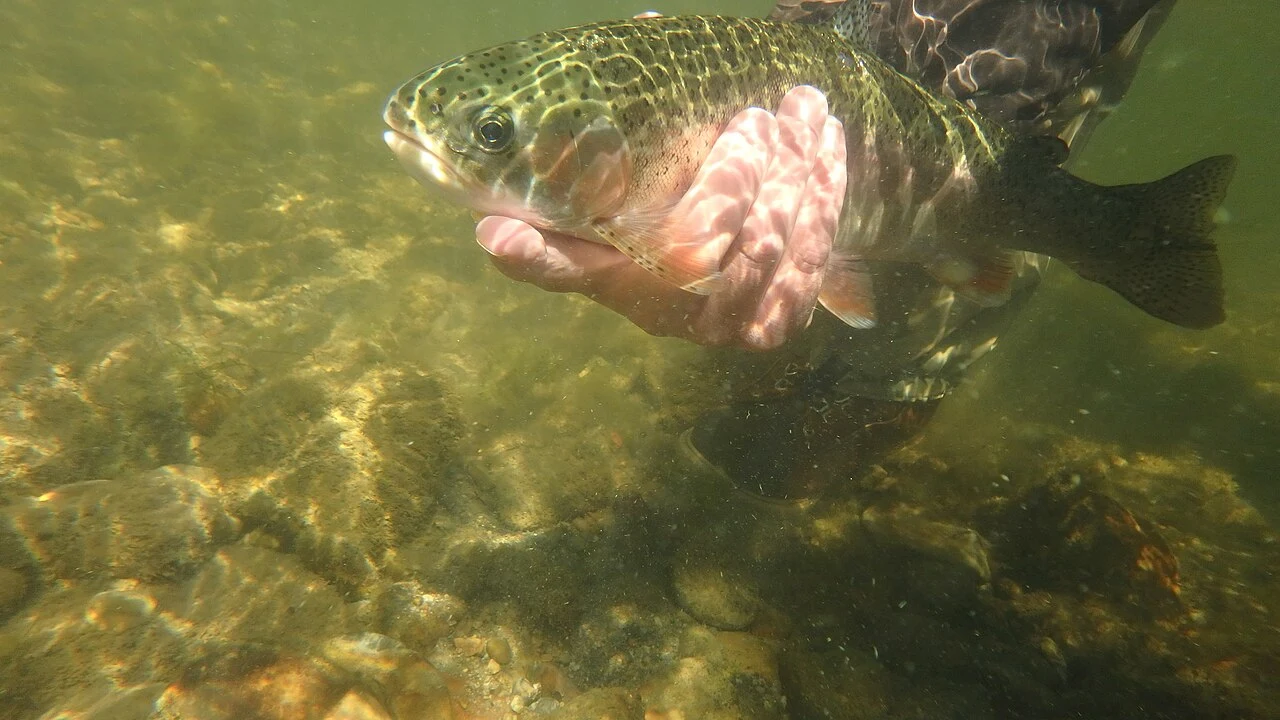
A winter crappie trip around Winter Haven works best as a search for the right depth, followed by a deliberate effort to stay there. The fish called specks locally are black crappie. They may be offshore over submerged plants one morning and closer to sheltered cover during a warming spell. A productive starting point is a hypothesis, not a promise.
Florida Fish and Wildlife Conservation Commission's 2026 crappie recommendations include the Winter Haven Chain. Its local guidance names Eloise, Shipp, Rochelle, Haines and Hartridge as options, and points winter anglers toward offshore submerged vegetation. Use that information to choose a manageable piece of water. Then let wind, vegetation and actual bites refine the plan.
Plan around one lake before planning a chain-wide tour
For a first visit, choose a launch close to the area you intend to fish. FWC identifies South Chain access at Summit, Shipp, Howard, Cannon and Hartridge, and North Chain access at Conine, Rochelle and Haines. Its local description also notes that habitat and water quality vary among lakes. A method that produces on one water is therefore a useful experiment on the next, rather than a transferable guarantee.
Consult the FWC Ramp Finder and City of Winter Haven information before leaving. Confirm the particular ramp, parking arrangements, operating hours, accessibility and any temporary closures. A public launch does not establish access across every neighboring shoreline. For a short trip, avoid making success depend on a long canal journey or an unfamiliar lock passage; check current navigation arrangements separately.
Bank anglers should select a legal public fishing area with enough space to cast and retrieve safely. An offshore winter pattern can place fish beyond shorecasting range. Fish the reachable depth changes and vegetation edges thoroughly, but keep expectations realistic. Boats searching offshore and anglers confined to a shallow bank are solving different problems.
Read winter as a sequence of conditions
FWC's local forecast describes improving crappie prospects as water cools, with live minnows drifted or trolled over deeper open-water holes. Its statewide guidance also describes offshore fish and inshore spawning movements. These are seasonal tendencies. They do not establish a dependable spawning date or a universal fishing depth.
Build each day's search around three questions: Where is the useful plant edge? At what depth are bites occurring? Can the boat or float hold that depth consistently?
After a sharp change in weather, start by retesting the last useful depth instead of assuming the fish have vanished. If that fails, check adjacent deeper water and a sheltered edge. During several mild days, add a shallower protected area to the search. This is an editorial decision sequence, not a claim that every cold front moves every school in the same direction.
Do not confuse a sunny afternoon with proof of spawning. A shallow bite can be temporary. Conversely, a cold morning does not rule out fish near cover. Measure water temperature if possible, note its trend, and use the information alongside catches rather than treating one thermometer reading as an instruction.
Pack two simple presentations
The following dimensions are editorial starting setups. Adjust them for the actual depth, wind and cover. FWC specifically recommends a light-wire size 4 hook with a small split shot under a float, and lists 1/16- to 1/8-ounce feathered or curly-tail jigs among established crappie offerings.
A slip-float minnow rig
Use a 6½- to 7-foot light spinning rod, a small spinning reel and fresh 6-pound monofilament. A forgiving rod helps protect light hooks and line when a fish turns beside the boat.
Thread the line through a bobber stop, small bead and slip float, then tie on a size 4 light-wire hook. Place a small removable split shot about 8–12 inches above the hook. Choose a float that supports the combined load without riding so high that a tentative bite becomes difficult to see. Add only enough shot to sink the bait promptly and cock the float.
Buy suitable small minnows from a local bait supplier. Hook one lightly through the lips for slow forward movement, avoiding an oversized puncture. For a stationary presentation, a shallow back hook placement is another option, kept clear of the spine. Replace tired bait; a well-presented lively minnow is a better test than one dragged into a loop.
Set the stop for a measured depth. If fishing over plants, start with the bait above their tops rather than buried within them. Make short casts until the rig settles reliably. Watch for sideways travel, a float that lies over, or a slow disappearance. Reel out slack and lift firmly instead of making a sweeping, violent strike.
A single-jig rig
Use a similar rod with 4- or 6-pound monofilament and tie directly to one jig. Start with a 1/16-ounce head and a roughly 1½- to 2-inch plastic body. Carry 1/8-ounce heads for conditions in which the lighter jig cannot reach or hold the intended zone. White, chartreuse and a darker contrasting body provide a compact selection.
Rig the plastic straight. A bent body can spin and make the lure difficult to control. Before casting, lower it beside the boat and check the action. Begin with a slow fall, a short lift and a pause. If wind repeatedly bows the line, shorten the cast or increase weight; do not assume that a lure somewhere below the surface is fishing at the chosen depth.
A small landing net, forceps, spare hooks, a measuring board, line clippers and polarized glasses complete the working kit. Keep spare tackle organized so changing depth takes seconds rather than a full unpacking.
Find a repeatable drift
Start along the outside of a submerged plant bed or across an adjacent open-water depression. Sonar can help identify depth, plant height and possible fish, but a mark is not a species identification. A short pass with a controlled presentation tests the interpretation.
For the first pass, fish two sensible depths if you can manage two rods safely. For example, suspend one bait a foot or two above the vegetation and the other slightly higher. Those relative positions matter more than borrowing an absolute depth from another lake. Keep a written note of the stop setting so the successful presentation can be reproduced.
Use the electric motor to slow or correct the boat. An uncontrolled wind drift can tow a float sideways and lift the bait well above its intended depth. If the rig trails almost horizontally or repeatedly fouls, reduce speed, change angle or abandon that drift. Increasing sinker weight indefinitely is a poor substitute for boat control.
When a fish bites, mark the position and note the boat's direction. Make another pass through the area before traveling elsewhere. A repeat bite at the same depth provides more useful information than a single fish caught while changing tackle.
After two or three careful unproductive passes, change one variable: depth, distance from the plants, or the section of edge. Avoid changing color, weight, depth and location simultaneously. Even an unsuccessful experiment becomes useful when its conditions are clear.
Slow down when you find fish
Once bites establish a small area, switch from searching to holding a presentation there. Approach with minimal disturbance and position the boat so wind does not push it directly over the target. Lower the jig to just above the apparent fish or cover and pause.
Try a lift of only a few inches, followed by several seconds of stillness. Watch the line where it enters the water. A twitch, sudden slackening or unexpected weight can be a bite. If fish follow without committing, try holding still longer before changing lures.
When casting, use a repeatable countdown, then retrieve slowly enough to maintain the useful depth. The count is a personal reference for that jig and cast, not a precise universal sink rate. Plant fragments on every retrieve indicate the presentation needs to ride higher or follow a different lane.
Set the drag before fishing. Bring a hooked crappie in steadily and net larger fish rather than hoisting them on a light hook. If the bite stops, check bait condition and depth first, then probe nearby. A brief pause need not justify a run to another lake.
Check the rules before keeping fish
Reviewed on October 20, 2026, FWC's statewide rules list a daily bag limit of 25 crappie per person. Special waterbody and Fish Management Area regulations can differ. Do not treat a statewide allowance as a target or assume that a nearby managed lake follows the same rules. Check the exact water being fished, including any current notices, before retaining a catch.
A Florida freshwater fishing license is generally required unless a specific exemption applies, including for catch-and-release fishing. FWC lists children under 16 and qualifying Florida residents aged 65 or older among exemptions; visiting seniors should not assume the resident exemption covers them. Consult the current licensing guidance for your circumstances.
Keep each angler's retained fish count clear. Our practical recommendation is to leave kept fish whole until the trip is finished, making identification and any necessary measurement straightforward. This also avoids confusion with FWC's conditional intact-fish requirements on waters with crappie size limits.
Make weather and fish care part of the method
Check the National Weather Service forecast before launching and monitor changing conditions. Set a return point while the crossing is still comfortable. Wear a properly fitted life jacket, carry a charged phone in a waterproof pouch, and tell someone where you intend to launch and return. Pack dry layers for wind and spray.
Thunder requires immediate action. NWS guidance calls for shelter in a substantial building or enclosed metal-topped vehicle and waiting at least 30 minutes after the last thunder. Leave the water before a storm closes the route back; a shoreline tree or open picnic shelter is not a safe destination.
Handle release fish with wet hands, minimize air exposure and return them promptly. Decide what you need for a meal before keeping fish, then chill retained fish promptly in an ice-filled cooler. Consult Florida Department of Health's current waterbody-specific consumption guidance, especially when serving children or people who are pregnant or nursing. A legal harvest allowance does not answer the separate question of how often to eat a catch.
A practical half-day plan
The evening before, choose one lake, verify access and rules, check the forecast and prepare both rigs. At launch, confirm the wind and select a nearby search area with a comfortable return route.
Spend the first 20 minutes identifying a usable edge or depression. Use the next hour for controlled passes at two measured depths. If bites repeat, work that small section with the jig and record the useful setting. If they do not, test a second habitat nearby instead of spending the morning crossing the chain.
Finish early enough to load without rushing. Record water temperature, wind, depth, plant contact and the successful or unsuccessful presentation. The most durable result of a winter visit is a clear pattern to retest next time, even when the cooler stays empty.