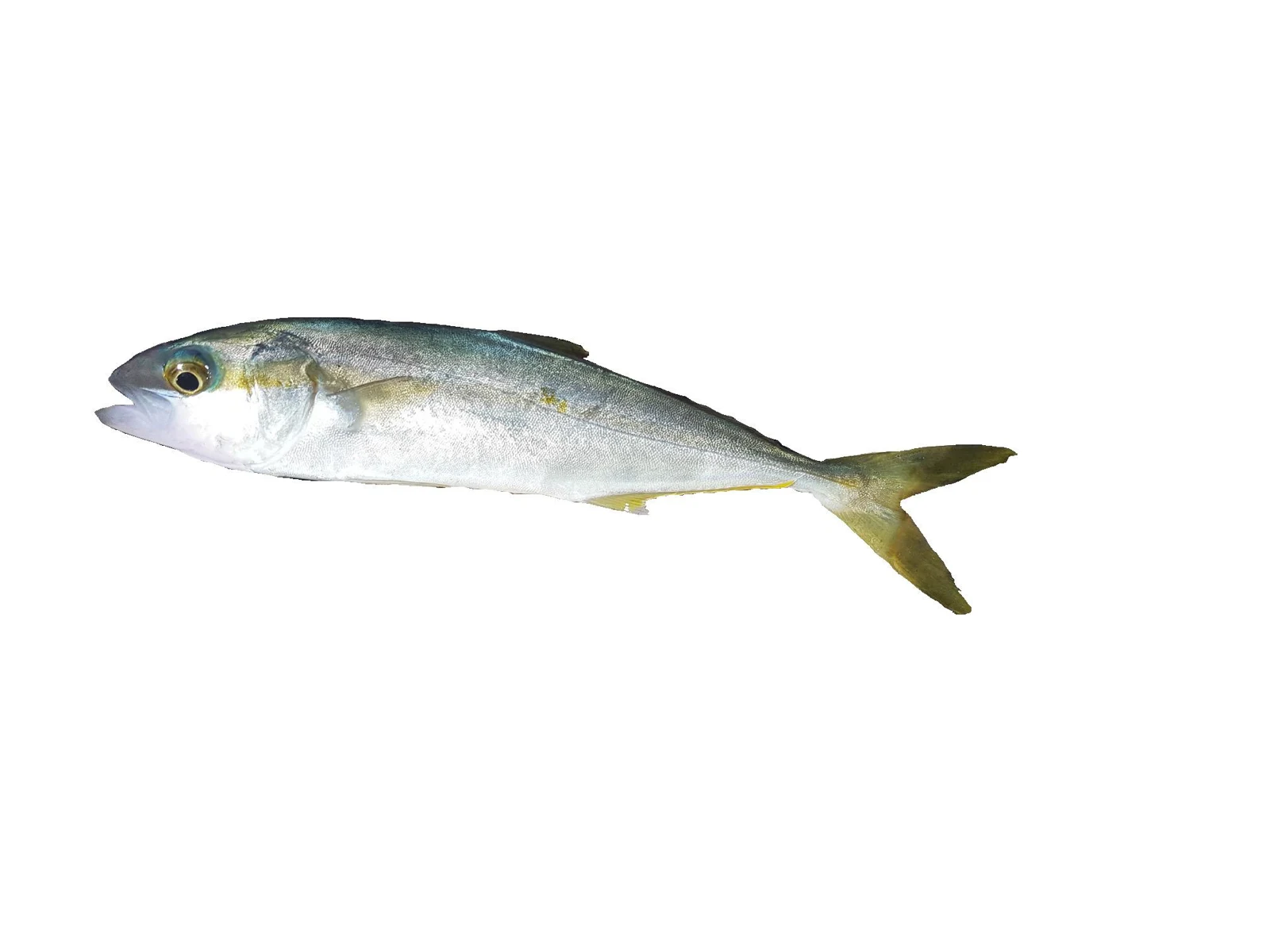
Cape yellowtail offer a useful southern-hemisphere species focus as November approaches. Around Cape Town, the appeal is active fishing: finding signs of bait, making a controlled cast and learning how a fast-moving shoal responds. This guide is written for a guided boat trip around the Cape Peninsula. Rock ledges and surf access require a different safety and tackle plan.
Why plan for November through March?
Cape Town operator Atlantic Drift identifies November–March as its main yellowtail window. Another first-party account, Greenfish's Cape Point guide, describes a broader summer season extending beyond those months. Together they support planning around austral summer, rather than one guaranteed peak week. These are usual patterns consulted on October 20, 2026, not a current catch report.
The Oceanographic Research Institute's yellowtail profile describes a mobile, shoaling predator feeding on pelagic baitfish and squid. Its biology account places spawning in the wider region during November–February. A biological season and a good fishing day are different things: local bait, water conditions, wind and where the shoals move still determine the outing. Ask the skipper about the recent pattern before booking travel specifically for one species.
Understand where the search begins
Cape Point and the wider False Bay area are familiar regional starting points, while conditions can lead a skipper to other permitted grounds. Do not turn a destination name into an exact fishing instruction: protected-area boundaries, sea state and local traffic must be checked. A map pin from an old report may be both unproductive and unsuitable today.
Look for several clues together. Feeding birds, bait near the surface, visible fish and bait marks on the sounder can justify attention. Greenfish's first-party account stresses observing feeding activity rather than endlessly revisiting a remembered mark. Birds alone do not prove yellowtail are present, and a calm-looking patch does not guarantee safe boating. Let the skipper combine observations with the forecast and knowledge of the area.
Ask why the boat approaches from a particular direction. Charging through a surface-feeding shoal may scatter bait and make casting harder for everyone. A controlled approach gives anglers time to identify a clear lane and present a lure beyond the activity. Stay ready while searching, with the lure secured and no loose hooks rolling on deck.
A practical boat-casting outfit
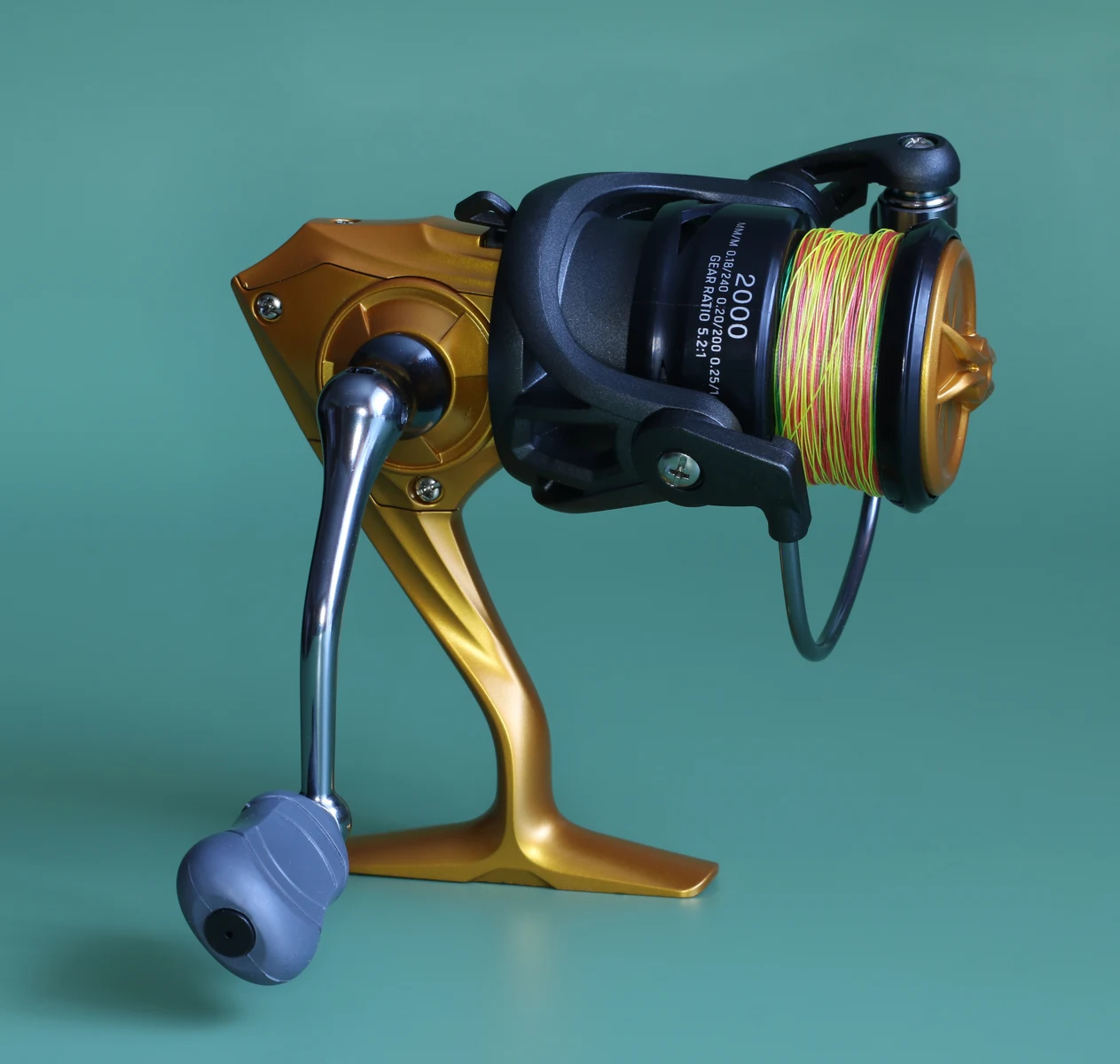
For a moderate yellowtail casting day, a useful example to discuss is a 7–8 foot heavy spinning rod, a suitable saltwater reel holding enough line for the crew's plan, 30–50 lb braid and a 40–60 lb abrasion leader. The stronger end may be appropriate around structure or larger fish. Match the actual rod rating and lure weight; a printed heavy label is not standardised between manufacturers.
As a concrete equipment reference, iFish's Assassin Tailhunter specifications include boat rods in the 30–50 lb line range with stated casting limits. That is an illustration of a tackle class, not a requirement to buy that model. A hired, well-maintained outfit that the skipper understands can be preferable to an expensive unfamiliar reel.
Choose a few compact metal spoons or casting lures within the rod's rating and a compatible surface plug. For example, 40–80 gram lures can be a useful discussion range for a manageable spinning setup; bait size, wind and the approved outfit determine the actual selection. Small bait may call for a smaller profile without sacrificing hook and connection strength. Ask the crew to confirm the leader knot, terminal hardware and hook arrangement.
Inspect the last section of leader frequently, especially after a fish or contact with the boat. Replace visibly damaged material rather than trying to save a short length. Set drag before fishing and avoid changing it hurriedly during a run. Keep a suitable net or the crew's chosen landing equipment ready before a fish reaches the hull.
Cast a spoon with a repeatable plan
A spoon or compact metal lure is a useful first method because you can learn to control distance, depth and speed. Before the session, watch it swim beside the boat in a safe direction. Notice the difference between a lively retrieve and one that makes it skip uncontrollably. The right speed depends on the lure, conditions and fish response.
When the skipper sets up on visible activity, check behind you and cast beyond or beside the feeding zone if the plan allows. Close the bail by hand, take up slack and begin retrieving through the fish's path. Keep the rod at an angle that allows control rather than pointing it straight at the lure throughout. Follow it visually where possible, but remain aware of other lines and the boat.
If there are followers but no takes, do not instantly replace the whole setup. Try one deliberate change: a different retrieve speed, a shorter pause or a slightly deeper path. If the lure is beneath the fish, retrieve sooner after landing; if fish have dropped away from the surface, a controlled sink interval may help. Keep hooks clear of other anglers when finishing the retrieve and never swing a lure across the deck.
When a surface plug makes sense
A surface plug is worth learning when fish are visibly working near the top and the guide thinks its profile fits the situation. Use a smooth cast, remove slack and work the lure according to its design. Some travel with a steady skittering action; others need short rod movements. A plug that repeatedly cartwheels is telling you to reassess speed, rod angle or rigging.
A visible strike is exciting, but do not pull the lure away at the first splash. Keep control and respond as the line comes tight, following the crew's instruction. Fish can miss and return. Finishing a controlled retrieve often creates more opportunity than an abrupt strike followed by a loose, airborne lure.
Trolling as a searching and learning method
Trolling can suit a first-timer who is still developing casting accuracy, and it also helps cover water when surface activity is scarce. The crew chooses suitable lures, spacing and speed for its boat. Ask to see how a properly running lure behaves rather than memorising one speed that may not suit another model or sea condition.
Understand the strike plan before rods are set. Confirm which angler handles which rod, who clears other lines and where a hooked fish should be brought. Keep hands away from moving line and hooks. When a rod loads, follow the crew's directions instead of grabbing it and changing drag blindly. One person fighting while everyone else reorganises creates avoidable confusion; a short briefing prevents it.
Fight and land the fish efficiently
Yellowtail can pull hard and use nearby structure. Keep a balanced stance, let the drag do its job and recover line when the fish allows. Avoid a steep rod angle that puts excessive load into the tip. If the fish changes direction under the boat, tell the crew and move only as instructed. Do not reach down for a loaded leader or wrap it around a hand.
Have a retention or release decision ready before landing. For a fish being released, prepare the dehooking tool and avoid an extended photo session. General fisheries guidance supports keeping fish wet and supporting their bodies when handling is necessary. A fish intended for release should not be lifted by the gills or left thrashing on a dry deck. Let the experienced crew select and manage the landing method.
Rules and protected areas come before the catch
Use the South African Department of Forestry, Fisheries and the Environment's e-Fishing system to identify and obtain the applicable recreational permit. Confirm the current yellowtail rules and any boat or activity requirements directly before fishing. Older species sheets are useful for identification and biology, but they should not be your only authority for today's limits.
SANParks explains that the Table Mountain marine protected area includes restricted areas and controlled fishing areas with different conditions. Consult its current fishing guidance and maps with your skipper. Catch and release does not automatically make fishing lawful inside a closed area. If you change the plan to fishing from land inside the national park, check the additional park-access and activity-permit requirements separately.
Example first session and common problems
Begin with a dockside tackle and safety briefing. During the search, ask the skipper to explain one bird or bait observation. When an opportunity appears, make controlled casts with one lure before comparing another. Use a quiet period to inspect leader and hooks, review the retrieve and rest. Keep time for the return journey; a late shoal is not a reason to ignore worsening conditions.
- Followers but no takes: vary one aspect of presentation and compare the bait's size with the lure.
- Repeated wind knots: shorten casts, remove slack before retrieving and ask the crew to check line lay and spool fill.
- Lures skipping uncontrollably: adjust speed or rod angle and check that the lure suits the conditions.
- No visible fish: let the skipper reassess habitat, bait depth or the day's permitted alternative rather than casting randomly all day.
- Fatigue or seasickness affecting balance: stop fishing and tell the crew; catching a fish is secondary to a safe return.
Finish with a useful record: area at a broad scale, observed bait, weather, method and what changed before a response. A no-catch session still teaches you how the fishery is searched. That knowledge makes the next summer outing more purposeful.