Costa Rica's central Pacific offers a timely planning project for anglers looking toward the coming northern winter: a guided sailfish trip from Quepos or Herradura. The official tourism board lists Quepos sailfish among dry-season activities and describes that season broadly as mid-December through late April. This guide uses December–April as a planning window, not a promise that the ocean will be calm or that sailfish will bite on a particular day. It was reviewed on 20 October 2026 and is not a live catch report.
Understand the fishery you are booking
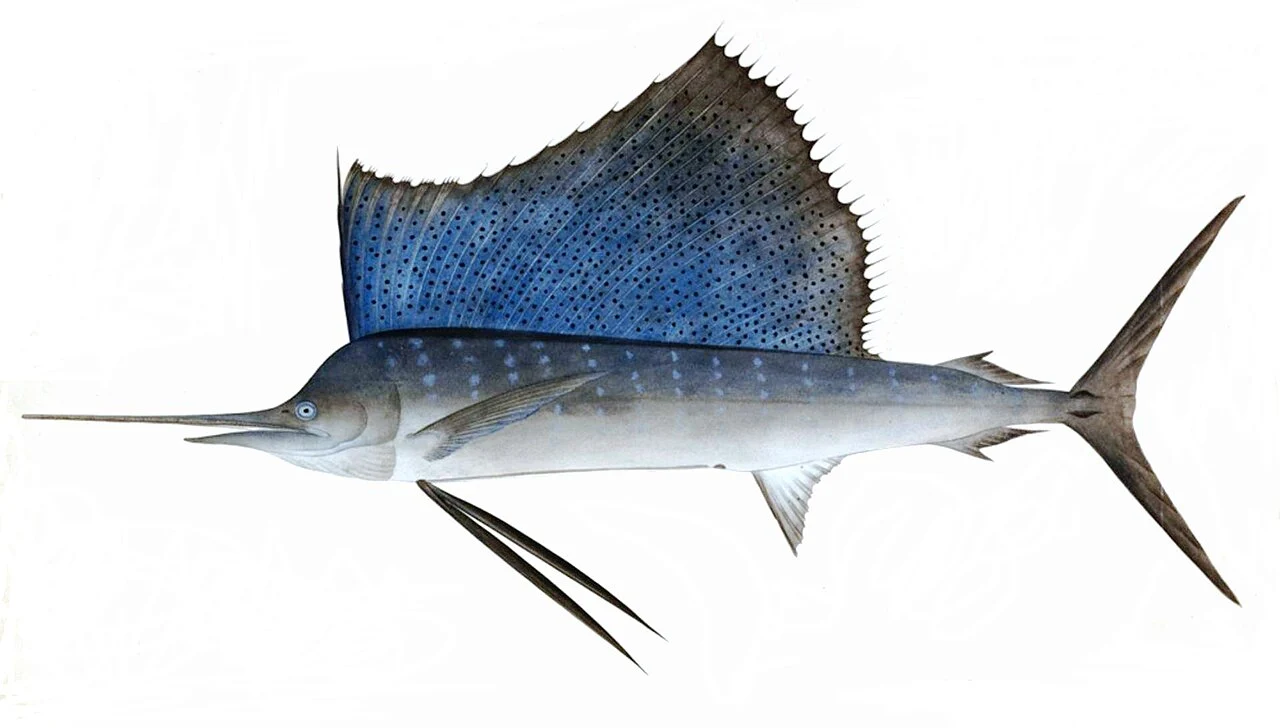
Pacific sailfish are offshore billfish. A first trip usually works best aboard an experienced charter with a skipper and mate who can explain the tackle, control the spread and handle release. This is a different outing from casting for roosterfish near shore or fishing Lake Arenal for rainbow bass.
Choose the departure base before accommodation. Quepos and Herradura are separate places with different travel arrangements. Ask for the exact marina, meeting time and realistic running time to the intended fishing area. A brochure's fishing hours may include travel; get that distinction in writing. If sailfish are the main objective, ask whether the operator will prioritize them or run a general mixed-species day.
Treat dry-season timing as one input. Offshore current, bait distribution and weather change the search. Ask about recent effort and conditions shortly before travel, including quiet days, rather than requesting a guarantee based on the month. A skipper who explains uncertainty and alternatives gives you more useful information than a headline catch total.
What the crew is looking for
The boat searches for places where food may concentrate. Changes in water appearance, current boundaries, bait activity, birds and information from recent trips can all inform the route. None is proof of sailfish. Ask the skipper to explain one decision at a quiet moment: why this line is being followed, why the boat changes direction or why the spread is adjusted.
Do not interpret clear blue water as a complete fishing plan. The interesting lesson is how observations fit together. A group of birds may be feeding on a small patch of bait without billfish beneath it. The crew may investigate, make a pass and move on. Record the observation and the result without turning one successful encounter into a permanent rule.
Choose a charter that teaches
Ask how many anglers share the boat, how turns are assigned and whether a beginner can practise the reel controls before fishing. Confirm shade, seating, a toilet, drinking water, safety equipment and the weather cancellation policy. Explain mobility limitations and seasickness concerns before paying. A larger or more expensive boat is not automatically the right teaching environment.
Confirm whether tackle, bait, licences, food and transfers are included. Ask who the actual captain and crew will be. Tell the operator that you want sailfish released in the water and photographs taken without lifting them aboard. That establishes expectations before the excitement of a first fish.
Learn the tackle before buying it
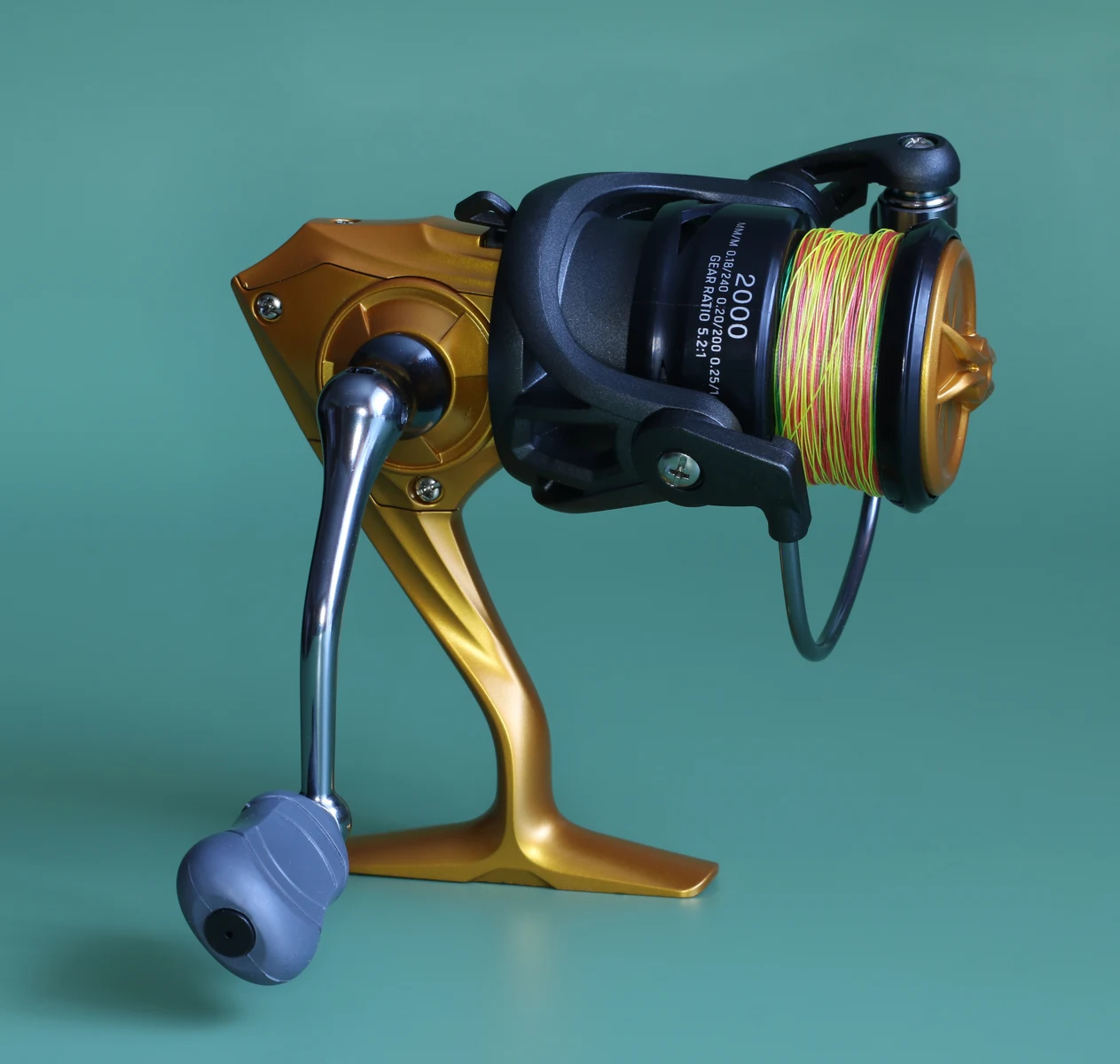
A practical example to discuss with a charter is a conventional lever-drag reel on a roughly 5½–7 ft boat rod matched to 20–30 lb line, with sufficient capacity, a suitable leader and a non-offset circle hook matched to the bait. The crew may choose heavier tackle for the conditions, angler or mixed fishery. Leader material and strength commonly vary substantially; a robust monofilament leader around 60–100 lb is an example to discuss, not a rule or a complete rigging specification.
The important relationship is that rod, line, leader, hook and drag work together. Ask the mate to demonstrate freespool, the strike setting and where your hands belong. Drag should be checked with the actual rig by the crew, not guessed by turning a knob during a fight. Learn how to keep the line away from skin and clothing, and never wrap leader around your hand.
Use the supplied outfit for a first trip unless the captain specifically approves your own. Buying an offshore outfit before understanding the method can leave you with the wrong line capacity, rod action or rigging. Take notes on what worked so a later purchase has a reason behind it.
How a trolled-bait presentation works
A common teaching approach uses properly rigged natural baits behind the boat, sometimes alongside hookless teasers that attract attention. The mate rigs and positions the baits so they behave correctly in the boat's wake. Ask to see the difference between a bait moving as intended and one spinning or fouled; poor presentation can occur before a fish ever appears.
For a first day, let the crew manage bait rigging and deployment. Learn one assigned rod and one bite sequence. A practical rehearsal is to hold the rod safely, identify the reel settings, follow the mate's instruction to allow line and then engage controlled pressure while winding. The exact timing depends on the bait and encounter; a fixed count copied from a video is not a universal rule.
With a circle hook, the aim is to let the hook rotate into the corner of the jaw as tension builds. Do not use a forceful overhead strike. Point the rod in the instructed direction, engage the reel smoothly when told and wind until the rod loads. If the fish drops the bait, stay ready and listen rather than repeatedly jerking the rod. The crew may offer the bait again or reset the spread.
The fight is a team exercise
Once connected, keep a stable stance and controlled pressure. The captain may manoeuvre to help recover line while the mate clears other gear. Follow their directions about moving around the cockpit. Do not step over a tight line or reach into a loaded reel spool.
Recover line when you can, keeping the rod within a sensible working angle rather than raising it vertically over your shoulder. If line is leaving the reel, let the preset drag work and avoid winding ineffectively against it. When a fish changes direction or jumps, follow the crew's instruction; the right adjustment depends on its position and the boat's movement.
Use a fighting belt or harness only after the crew shows you how it fits and how to release it. Do not improvise a tether. When the leader reaches the boat, remain at your assigned position and let the experienced mate handle it. A fish beside the transom can still surge or jump, and its bill is dangerous at close range.
Common problems and useful corrections
- Missing the bite: rehearse the reel sequence again during a quiet spell; simplify to one instruction at a time.
- Bait spins or washes poorly: have the mate inspect rigging and position before changing fishing grounds.
- Line goes slack during a fight: watch the line angle and recover steadily when instructed, keeping your feet secure.
- Angler becomes exhausted: tell the crew early so they can adjust the approach; unnecessary prolonged fights are bad for both angler and fish.
- No fish appear: ask what observations support the next move; avoid treating a quiet morning as proof the entire season is wrong.
- Too many anglers talking at once: agree that the captain or mate gives the active angler's instructions.
Licence, hooks and release
INCOPESCA's sport-fishing information directs recreational anglers to carry the applicable current fishing licence. Its licence page provides the official application route. Confirm the angler's paperwork separately from the vessel and crew documentation, and keep a usable copy available during the outing.
INCOPESCA describes sailfish and marlin as catch-and-release fish handled in the water. Use non-offset circle hooks for the natural-bait approach described here; the IGFA's Costa Rica event guidance also identifies this as the national requirement for bait intended for billfish. Tournament rules can add restrictions beyond general law, so do not apply a tournament's line class, hours or bait rules to every charter without checking.
The Billfish Foundation recommends suitable tackle to shorten fights, careful dehooking or cutting close to the hook, and keeping billfish in the water. Leave handling to the trained crew. Do not pull a sailfish aboard for a photograph, suspend it by its bill or break the leader by force as a shortcut. A quick picture from above the water can preserve the memory without delaying release. If a fish needs assistance, the captain and mate should manage it safely before resuming fishing.
A sensible first-trip itinerary
Arrive at the fishing base before the planned day, confirm paperwork and meeting details, and leave a spare day where possible. At the dock, review safety, turns and tackle. During the first quiet period, rehearse the bite. During the day, ask brief questions without distracting the crew during manoeuvres or a fish. At the end, write down the bait presentation, hook-up sequence, conditions and one skill to practise.
Pack polarized glasses secured with a strap, sun-protective clothing, non-slip footwear, a light weather layer and a protected phone or camera. Ask about drinking water and medication needs in advance rather than discovering gaps offshore. The best first sailfish trip leaves you understanding the crew's decisions and the release process, with a realistic basis for planning the next one.