A light float at Days Bay lets you see whether a small bait is moving with the fish or being blown away from them. Begin with a short drift where you can see the line. If the float cannot stay in a clear lane or the fish are lower, switch to a light running ledger over clean ground. Both rigs should let a yelloweye mullet take a small bait without first shifting a large weight.
Choose an open edge at Days Bay
Williams Park and Days Bay beach are public access points in Eastbourne on the eastern side of Wellington Harbour. Recreational fishing at Days Bay Wharf is documented, but the wharf also serves ferries and can be busy. Fish only a currently permitted, clear position away from ferry operations and swimmers. If the wharf is unavailable, try a legal open beach margin where the line can stay clear of people. This is a short-cast plan. It does not depend on crossing a navigation lane, fishing from a berth or reaching a particular depth.
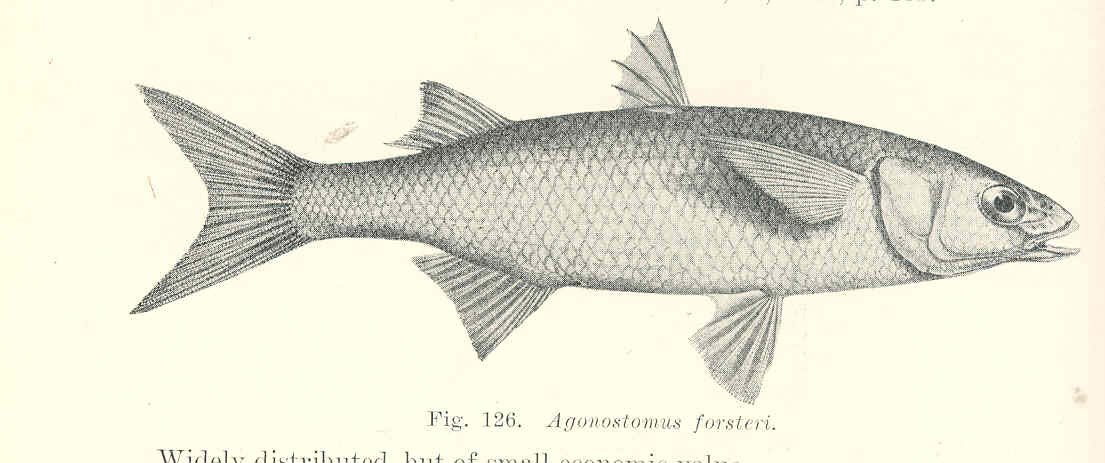
Yelloweye mullet, *Aldrichetta forsteri*, occur around New Zealand and in Australia. They are slender, silver schooling fish with two separated dorsal fins, a small mouth and a yellow eye. Grey mullet, *Mugil cephalus*, generally have a broader head and a less conspicuously yellow eye, with a fatty eyelid visible on larger specimens. Juvenile kahawai have a different body and mouth shape. Look at several features while the fish is wet, since colour can change in glare. A small flash near the surface does not tell you which species it is.
Yelloweye mullet can feed on algae and small animals, including small crustaceans and other invertebrates. Diet varies with the habitat and available food. This is a reason to try a short worm or shrimp fragment, not a claim that mullet in every bay want the same bait. A light drift can put a morsel among small particles travelling along a seam. A little deeper, a bait just off the sand may reach fish that never break the surface. Watch for a school turning at the same depth or a patch where tiny movements repeat. A single splash near a wharf may be caused by wake rather than feeding.
Early summer gives you a chance to watch shallow margins, but the useful drift depends on wind, tide and access. Look for enough surface movement to carry the float, with a way to remove the line before it sweeps into an obstruction. A lee pocket is useful during stronger wind. Low light can help you approach a shallow school quietly. Bright conditions can make the fish and the bait's route easier to see. Choose the water you can control, then check whether a modest depth change makes a difference.
| What you can see | Starting rig | Useful adjustment |
|---|---|---|
| Small fish moving through a shallow clear strip | Fixed float | Move the bait down 10–15 cm if it stays above the fish |
| Float blows sideways across the lane | Light running ledger on clean sand | Shorten the cast before adding weight |
| Taps with the end of the bait missing | Smaller bait on the same hook | Keep the point and gap clear |
| Hook comes back fouled on each pass | Shallower float or new angle | Leave the patch if loose weed fills the lane |
Drift a small bait under a fixed float
Start with a 2–2.5 m light spinning rod, 1000–2000 reel and 4–6 lb mono. Fix a small pencil float or stick float to the main line with suitable sleeves. Add enough split shot to leave the tip visible and finish with 20–35 cm of 3–5 lb mono and a single size 12–8 hook. A float carrying roughly 0.5–2 g is a starting choice, depending on how much ripple you need to read. Set the bait about 40–80 cm below the float for the first shallow test. Thread a small worm or peeled shrimp fragment onto the bend and leave the point exposed.
Lob a little ahead of the fish or current, avoiding a heavy splash. Let the float travel and lift slack without tugging it out of the lane. If it lies flat after the rig should have settled, the bait may be resting on weed or a fish may have lifted the shot. If it slides sideways, slows against the drift or goes under and stays down, wind to contact and lift the rod gently. A hard strike on light line can pull a small hook free. Guide the fish out of the school and bring it to a wet net rather than lifting it by the hook.
In bright, clear water, start with a small bait close to the colour and scale of the particles you can see. In darker water, a pale shrimp fragment can make the bait easier to see when checking it beside you. Keep the depth and shot pattern fixed for the first comparison. If a whole group follows the float but ignores the bait, check whether the bait hangs too high or swings fast behind the float. Change depth or reduce drag before adding weight.
Keep a running bait over a clean bottom
Thread a 3–8 g sliding sinker and small bead onto the same main line, tie to a small swivel and add 30–50 cm of 4–6 lb leader. Tie on a size 10–8 single hook and use a short piece of permitted worm or shrimp. Choose a compact sinker that can touch clean sand without rolling continuously. If the water is very shallow and still, a small split shot above a straight trace can be enough. The useful change from the float is the bait level and pace, not simply a heavier rig.
Make a short cast across the quiet side. Let the weight touch and wind only until the tip begins to show contact. Leave the bait still for several seconds. Lift it a little and let it settle again if there is no sign of a fish. A steady twitch or movement away from the resting line deserves a gentle lift. If the line tightens every time a wake arrives, wait for it to settle before reacting. If the rig brings back weed or slides toward the wharf, reel in and try a clean stretch instead of feeding more line.
To work out whether the float is moving naturally, watch a piece of foam beside it for a few seconds. The line can pull the float faster than the current, especially in a crosswind. Lift a little slack without moving the float, then lower the tip and let it settle. If the float changes direction every time you mend, shorten the cast and try again. A smaller float helps in calm water. In a little chop, a slightly more visible tip is useful if it still responds to the bait.
A light ledger gives another way to identify the drift. Over sand, make a short lift and let the sinker rest again. If a tap occurs only while the weight is moving, repeat the same lift once. A fish following the bait may take on the settle. If the bait is gone but you never see the tip load, use a shorter piece and watch the line rather than waiting through a long soak. Where both rigs have clean paths, compare a higher drift with a near-bottom rest before moving along the beach. Give swimmers and other users first choice of any shared access.
One sheltered harbour session
Suppose a light breeze leaves a narrow calm strip beside a clear beach margin. Start with a small float and shrimp fragment 50 cm below it. Two clean drifts come back untouched, but a few fish turn below the bait. Add a little depth and repeat from the same angle. If the float now follows the school but dips only where it brushes weed, shorten the drift and make a cleaner pass. If the breeze grows and pulls the float across the fish, switch to the light ledger on adjacent sand. Fish the same small bait briefly, then move after a few clean rests with no touches. A narrow lane that works twice is more informative than a long cast that ends under the wharf.
Check Fisheries New Zealand’s current Central-area rules and any Hutt City or wharf restrictions. Keep clear of ferries and swimmers and handle released fish with wet hands.