Australia and New Zealand offer several very different fishing holidays. A Tasmanian lake, a tropical barramundi river and a South Island trout stream should not share an equipment list simply because they appear in the same travel brochure. Choose the environment and the skill you want to learn first. Then use this guide to build a realistic first itinerary around one base.
Choose the experience before the destination
For quiet bank fishing with repeated casts, investigate accessible trout waters in Tasmania or New Zealand. For tropical lure casting, investigate a Northern Territory barramundi guide. For a coastal outing during a city holiday, compare local inshore charters before deciding that a remote offshore expedition is necessary.
Write down three constraints: the month you can travel, the number of fishing days, and how much walking or boating your group enjoys. A trip that suits those constraints is more useful than a famous place reached after two exhausting transfers. Tell prospective guides whether you want instruction, a family outing, or intensive fishing; each produces a different day.
Tasmania: make an accessible lake your classroom
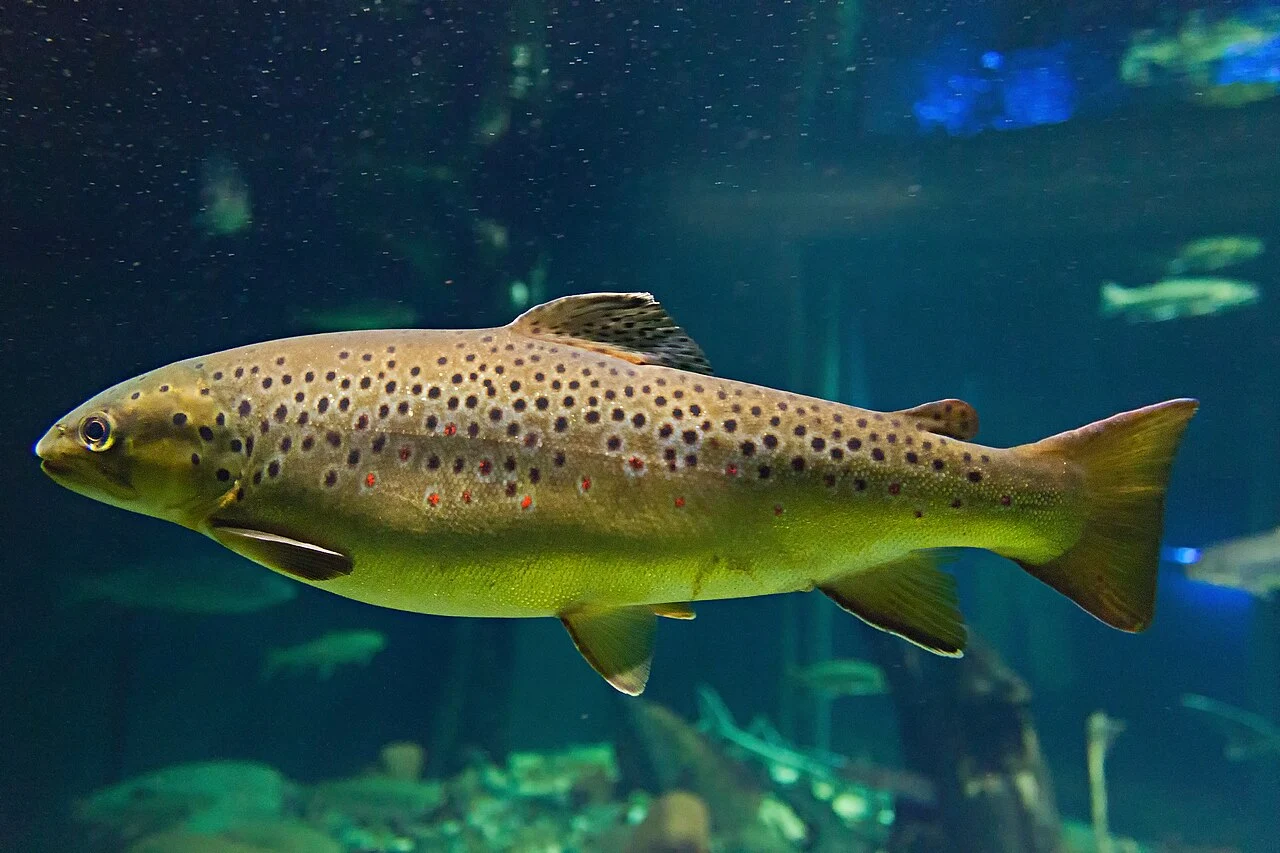
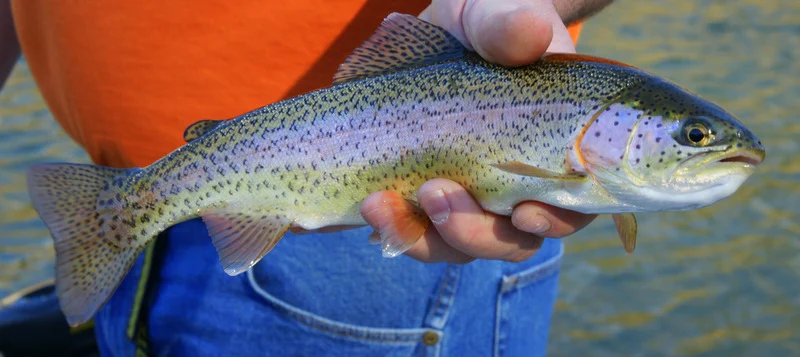
The Inland Fisheries Service describes a fishery containing brown and rainbow trout, with shore and boat opportunities and different methods permitted on different waters. Use its access information and current angling code together. An accessible bank does not establish that your preferred lure or bait is legal there, and a current inland licence is a separate requirement.
For a learning trip, select a shore with room to cast and several safe landing places. Compare a sheltered bay, an open shore and a visible change in bottom or vegetation. Begin with a floating or shallow-running lure where depth is uncertain; sinking tackle can follow once you understand the bottom. Record how long a sinking lure falls and where it begins touching weed, rather than assuming every cast is fishing at the same depth.
A practical light-lure example is a roughly 2.1 m spinning rod rated for the lures you will use, a small spinning reel, 6–8 lb monofilament and a few compact spoons, spinners or minnows. This is an example for modest trout water, not a prescription for every lake or large fish. Check the lure-weight rating, hook requirements and likely wind with a local shop. Bring a landing net and forceps before bringing a second box of lures.
New Zealand: choose a river lesson or a lake session
Southland's rivers offer a different learning problem from a large lake: the current moves the presentation as well as the fish's food. A first lesson can focus on finding a slower holding position beside faster water, approaching quietly and making a controlled cast through it. Stay on the bank when an unfamiliar crossing is the only way to reach a spot.
Fish & Game's seasonal guidance identifies October–November as early season and December–February as summer. Those are planning categories, not a promise of clear rivers. Rain, snowmelt and wind can change a day's choices. In summer, low clear water may reward a quieter approach and cooler parts of the day. Do not try to solve a flood or overheated stream by buying another lure.
Check the current regional regulations for the exact reach. Fish & Game and the Department of Conservation's Taupō fishery have different licensing arrangements. Upper-river or designated fisheries may have additional controls. A guide who understands your casting ability can help choose ordinary accessible water before you commit to a demanding backcountry day.
Northern Territory: learn barramundi with a local operator
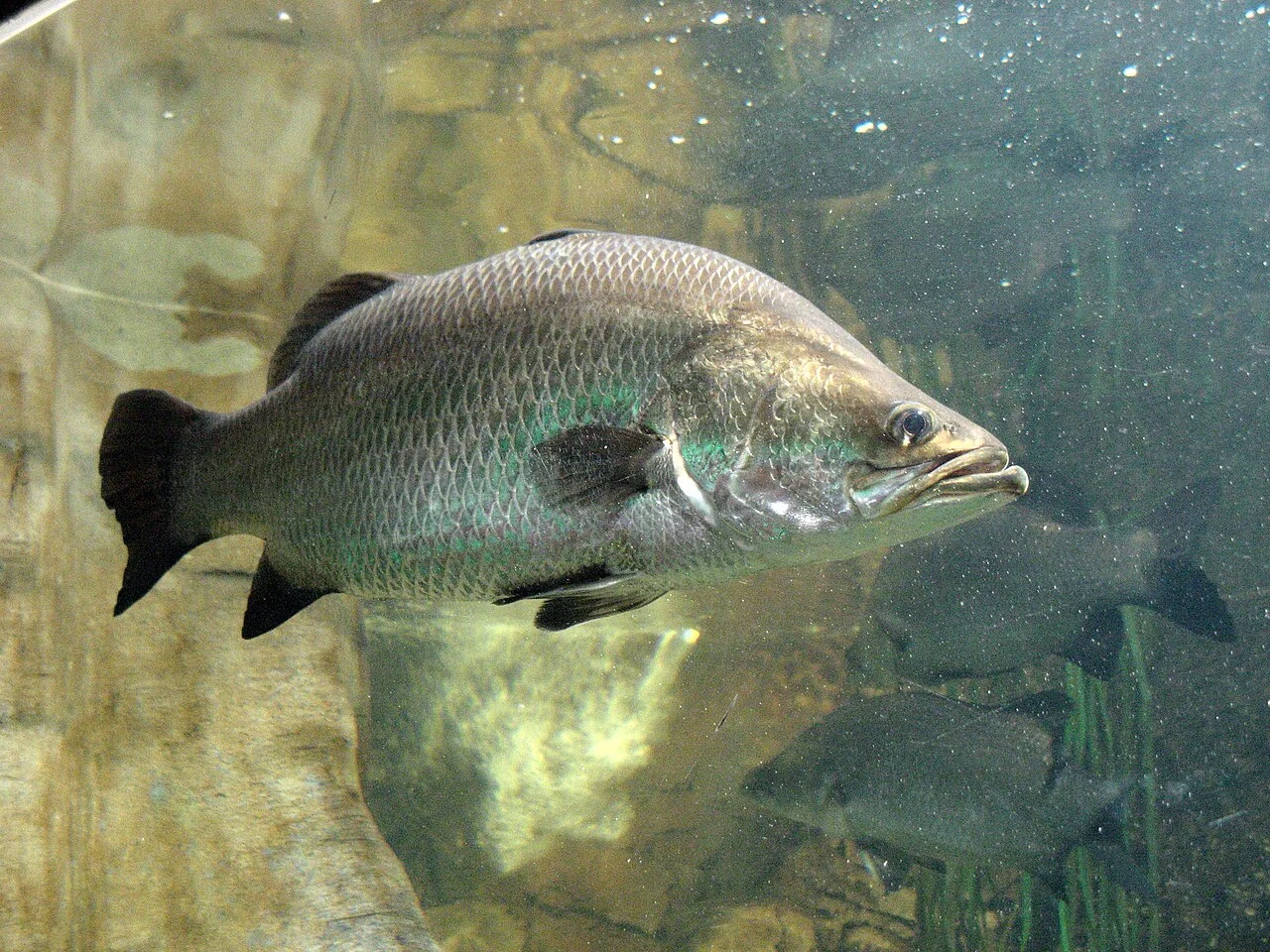
The Northern Territory Government separates the fishing year into build-up, wet, run-off and dry periods; October–December is the build-up, while the run-off normally falls in March–April. This is not the same as a guaranteed barramundi bite or a legal open-season declaration. Ask which river, tide range and access route fit your actual week.
For a first guided day, practise accurate casts before distance. Ask the guide to demonstrate a cast beside cover, how deep the lure should travel, and when to stop the retrieve before it enters timber. A medium-heavy casting or spinning outfit, durable leader and suitable hardbody or soft lure may be appropriate, but the operator should match them to fish size, cover and the boat. Do not bring the trout outfit expecting it to solve this job.
Crocodile precautions determine where you can stand and how you handle a fish. The government's Be Crocwise guidance warns against leaning out of boats or entering the water to recover tackle, and directs shore anglers to remain well back from the edge. Never treat an apparently freshwater reach as safe for wading. Follow local instructions at ramps as carefully as at the fishing location.
Coastal fishing: decide what participation means
An inshore casting day and an offshore trolling charter can both be advertised as fishing. Ask whether you will cast, work a lure, bait hooks, or take turns fighting fish from a supplied spread. Request a short lesson on drag, line control and safe movement before the first bite.
Compare departure points, sea time and weather exposure. A morning trip near your accommodation may teach more than a distant full-day trip whose travel leaves you tired. Confirm how the crew handles released fish, who keeps any lawful catch and which equipment is included. Check the state or national fisheries authority for the actual coastal area rather than borrowing rules from a neighbouring jurisdiction.
A four-day example that leaves room to learn
- Arrival day: settle in, check access and documents, assemble one outfit and practise knots on land.
- First fishing day: take a lesson, learn two presentations and photograph the rig safely away from the water.
- Flexible day: use it for weather recovery, tackle practice or a non-fishing activity rather than a compulsory long drive.
- Second fishing day: repeat a promising place or method, changing only one main variable and keeping a short log.
This is an original planning example, not a packaged itinerary. If your destination requires a long transfer, add travel time instead of borrowing it from the weather margin.
Prevent the avoidable failures
A common mistake is packing for every imagined fish. Ask for an exact equipment list and leave incompatible outfits home. Another is selecting accommodation before identifying the launch or river access: plot the meeting point first. Finally, do not move wet boots, nets or boats between catchments casually. Biosecurity New Zealand's current Check Clean Dry guidance varies with the waterway and pest; follow the applicable procedure rather than relying on a quick rinse.
Before leaving, confirm the meeting time, local forecast, emergency contact, access permission, licences and a safe alternative. Finish each fishing day with one observation about habitat and one about presentation. The most valuable souvenir is a method you understand well enough to repeat.