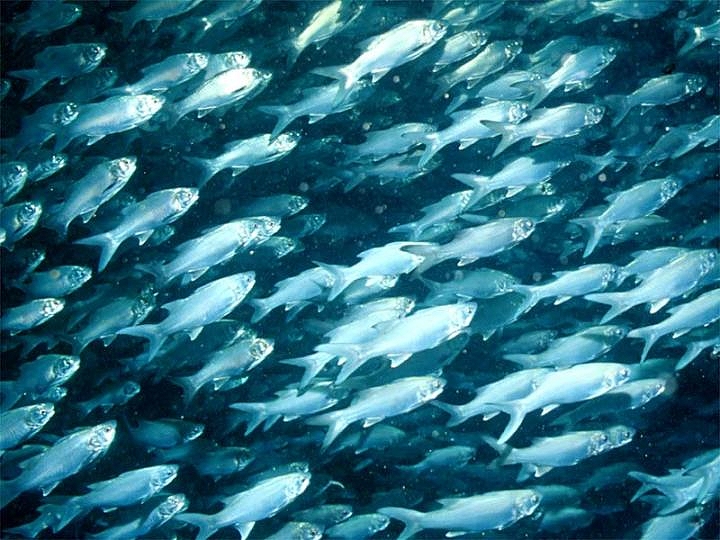
At Heʻeia Kea Wharf, fish the patch of moving water you can reach and retrieve through without crossing a boat, a mooring line or another angler. A small single-hook lure helps you learn where bait is moving. If it draws follows or the useful lane is too short for a retrieve, drift a small shrimp bait through the same level. Keep one rod rigged at a time so the change takes place on the same water.
Know which pāpio you are looking for
Heʻeia Kea Wharf is at the small boat harbor on Kāneʻohe Bay, Oʻahu. The wharf has its own fishing rules. Start from a posted area where fishing and standing are permitted, well clear of ramps, working boats and their lines. Ask harbor staff if the usable section is unclear. A dock edge can show a change of water speed, but a gap between moving boats is never a usable casting lane. If there is no clear place to fish and land a fish, wait for the area to clear or leave.
Pāpio is a local term used for young jacks and trevallies, rather than a species name. This plan uses juvenile giant trevally, *Caranx ignobilis*, as the target example. It is the fish called white ulua or ulua aukea as an adult. Giant trevally occur in tropical Indo-Pacific waters, including Hawaiʻi. A young fish is often silvery with a deep body and blunt, sloping head. Compare it with ʻōmilu, the bluefin trevally, which can show vivid blue fins and blue or dark spots, and with bigeye trevally, which has a noticeably larger eye. Colours vary with size and light. Use the state fish guide and release any fish you cannot identify or measure confidently. A hit in the harbour does not tell you which jack took the lure.
Young trevallies use nearshore water before moving toward deeper habitats as they grow. Small fish and crustaceans are useful forage categories for deciding what to cast. A flick of little fish at the edge of a current seam is worth testing with a small moving lure. A shrimp bait can stay in a small pocket where a lure would leave in a couple of turns. Do not assume the visible bait is one particular species. Start with a profile close to its size, then work out whether a lower, slower presentation gets more attention.
Fish can visit a harbour edge at different times of year. On a cool-season trip, give first light or the first steady movement of water a brief test if the wharf is open and fishing is practical. Tide height and direction alone cannot establish a bite window. Check how foam or small floating debris moves at the actual position. A moderate flow that carries a bait past a seam is more useful than fast water that puts your line under the wharf. A brighter interval can also help you spot fish following or leaving the edge before they take.
| What you see | First move | Reason to change |
|---|---|---|
| Small baitfish moving along a clear seam | Swim a small paddle tail | Pause earlier if fish only follow |
| A tight pocket beside open water | Drift a small shrimp bait | Add one small shot only if the bait stays too high |
| Line pulls toward wharf or traffic | Reel in and move or wait | More weight cannot make an unsafe lane usable |
| Repeated taps and a torn bait | Shorten the bait and keep the point clear | Check for a full load before sweeping |
Swim a compact lure across the open side
A 6½–7½ ft medium-light or medium spinning rod, 2500–3000 reel and 10–15 lb braid are a starting point. Add 75–120 cm of 12–20 lb abrasion-resistant mono or fluorocarbon. Tie a ⅛–¼ oz jighead with a size 1–2/0 single hook to the leader. Thread a 45–70 mm paddle tail straight so the hook comes out through the middle of the back. Keep the point exposed in clean water. Try translucent silver or muted olive in clear water, and a pale solid profile or dark silhouette if the water is murky enough to hide the lure. Repeat the route before deciding the colour mattered.
Cast a little ahead of the seam and along the usable edge. Start with a short count and retrieve steadily, keeping the lure above the rock or snag line. Pause briefly before it reaches the end of the clear lane, then pick it up. When a fish follows high, try a slightly quicker first few turns and one earlier pause, keeping the same cast. If the lure comes back with weed or a marked leader, bring the next pass up or move away from the structure. A sharp tick may be a fish, but it can also be the jig touching a hard edge. Wind down and use a smooth sweep when weight moves away or stays on.
Let a small bait drift through the pocket
Tie a single size 4–1 hook to 45–75 cm of 12–15 lb trace, using the same main leader and a direct connection or a small swivel. Start with no weight. Pinch a tiny split shot 20–30 cm above the hook only if the bait repeatedly sweeps too high. Use a short piece of legal shrimp bait, threaded shallowly so the point stays free. A small bait turns less in current and makes it easier to keep contact. With a circle hook, size it to the bait and reel steadily as the line comes tight. With a conventional single hook, wind to the load and lift smoothly.
Lob to the upstream end of the pocket. Let the bait travel with the flow, feeding only the slack needed to keep it from dragging across the surface. Follow it with the tip and retrieve before it passes under the deck or reaches the busy part of the harbour. If the line accelerates against the drift, or starts to travel at a new angle, pick up slack. A little peck that ends immediately may be a small fish taking the tail of the bait. Shorten the piece and fish the same drift again before moving.
The height of the wharf changes how a lure fishes near your feet. As it comes closer, the same winding speed brings it upward more quickly. Plan to make your pause while the lure is still out in the open lane, then finish the retrieve before it swings into the structure. A shorter cast can be useful if you can put it across the seam. If you need a longer cast to reach the fish but it would cross a working area, wait for a different lane. A productive-looking corner is of little value if there is nowhere to land a fish from it.
In clear water, watch what happens at the edge of the lure's travel. A single fish that follows and turns is a reason to test the same route with a bait. Several fish breaking away together as a boat passes can simply be reacting to the disturbance. Let the water settle, then test the seam again without adding weight. When the current slackens, your shrimp may sink farther than before. Take off the shot before switching spots if you still have a clean passage. Match the depth and drift to what you see each time you lower the rig.
A worked wharf session
Suppose the legal fishing area is open and a gentle flow makes a seam on the clear side. Try a ⅛ oz jig and a 55 mm plastic. Make one pass at a quick count and another a little lower. If a small jack follows the lure and turns near the wharf, move the pause outward. If it still follows without taking, put the shrimp into the same lane and watch how quickly it falls. If the first drift stays on top, add one small shot and repeat. When both clean presentations stay quiet, give another clear edge a short test or end the session. Do not cast into traffic to manufacture a third option. Have a suitable net ready and keep the fish over water for a quick release.
Hawaiʻi’s Division of Aquatic Resources limits wharf fishing to one line or one rod and line with up to two hooks. This plan uses one single hook. Check current pāpio size, bag and licence requirements before fishing. Keep the working wharf clear and use wet hands or a wet net for release.