Lake Waihola is a good place to learn the difference between fishing slowly and simply letting a lure drag. This shallow Otago lake offers shoreline access, and perch and brown trout are both taken from the bank on light spinning gear. A small soft plastic can search the edge quickly, provided it swims above the weed. When fish follow without taking, or the productive strip is too narrow for a retrieve, suspend a small bait at the same level and let it travel through the strip under a float.
Find the useful water from the bank
Start at the public Waihola waterfront, where the walkway and other visitor facilities are close to the water. Look for an open place with enough room to cast without crossing a path or another line. A continuous bank is rarely continuous habitat. Watch for a gap between weed patches, a bottom-colour change or a lane where rippled water meets a sheltered pocket. From a low bank, those features are easier to see from a few paces back than directly over the water. Use your first few drops to learn how close the weed grows to the surface.
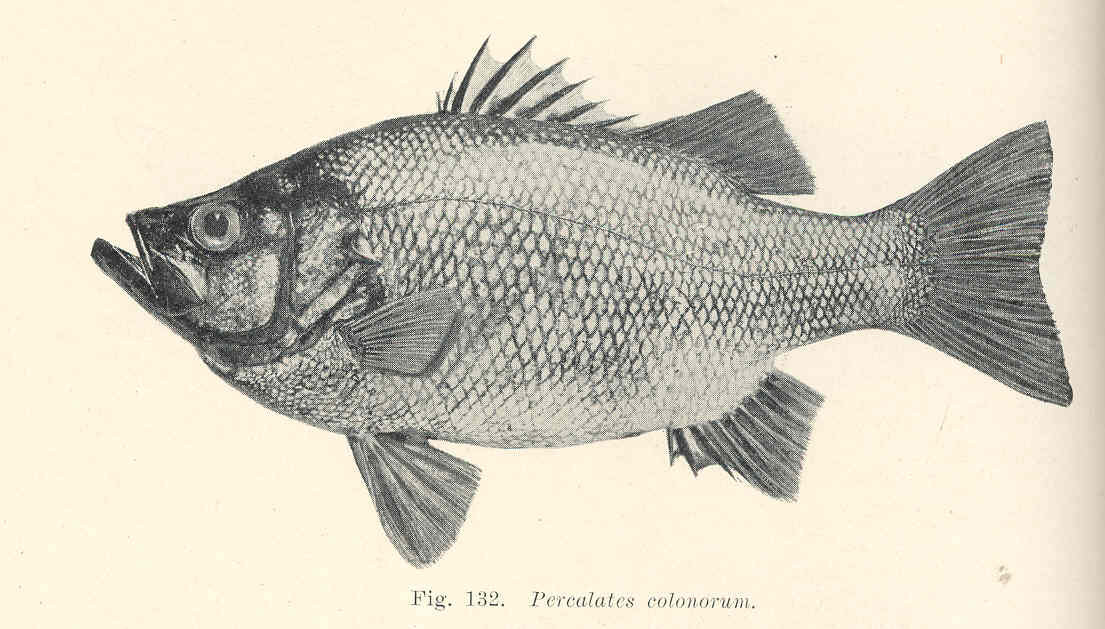
Redfin or European perch, *Perca fluviatilis*, are introduced to New Zealand and occur in still and slow-moving waters, including parts of the South Island. Dark bars on the sides, orange-red lower fins and the front spiny dorsal fin are a better combination for identification than fin colour alone. Brown trout have spots and an adipose fin, while the silvery, slender yelloweye mullet that can enter brackish and freshwater habitats looks quite different in hand. A flash by the bank can be any of several fish. Identify the fish before making a retention decision.
Adult perch feed heavily on other fish. Smaller perch also take aquatic invertebrates, and a worm or a small, compact swimming lure can therefore be worth testing even when nothing is visibly chasing baitfish. Common bullies are known prey in New Zealand lakes. Treat that as a reason to work low and near cover, rather than a claim about what any individual Waihola fish is eating. Try a perch-sized prey profile that moves cleanly through the available water.
On a warm spring or early summer visit, test shallow cover before sending everything to the middle. A mild ripple can make approaching the bank easier and cut surface glare. If the wind keeps pushing weed into your lane or lifts a large bow of line, move round to a sheltered section. Low light can be a useful first chance at an exposed edge. A brighter part of the day can also be useful when you can actually see and fish the gaps. Pick a bank and a depth from what the water is doing on arrival rather than from a fixed bite hour.
| Bank clue | First presentation | Adjustment |
|---|---|---|
| Small-fish movement beside open weed | Swim a 40 mm plastic parallel to the outer edge | Shorten the sink before adding speed |
| Clean gap with a repeatable tap | Drift a short-set float along the same seam | Add 10–15 cm of depth if the bait stays clean |
| Wind carrying loose weed down the bank | Fish a sheltered lane with a slightly heavier jig | Change bank if the line still swings through weed |
| Fish follow through clear water | Keep the depth and try a smaller natural profile | Follow with a bait drift if the fish still peel away |
Swim a light jig through the edge
A 6½–7 ft light spinning rod and a 1000–2000 reel suit short bank casts. As a starting point, use 4–6 lb braid with 60–100 cm of 4–6 lb mono or fluorocarbon leader. Tie on a 1–3 g jighead with a hook around size 8 to 4, matched to a 35–55 mm soft plastic. Thread the lure centrally, bringing the point out through the back so the body stays straight. A kinked body rolls and catches weed. Use the lower end of the weight range where you can hold contact and increase only if the wind or depth defeats you.
Cast slightly ahead along the weed edge rather than straight out across it. Close the bail by hand, keep a finger on the line and start with a one- or two-count. Retrieve with a slow, steady turn and insert a short pause where the lane opens. If the lure comes back carrying weed, start sooner or raise the tip. If it stays clean and never approaches cover, add one count. Test a translucent or muted baitfish colour in clear water and a more visible cream or dark silhouette in coloured water. Keep depth and speed fixed through the first colour comparison so you can tell what actually changed.
A fish may tap once, leave the line slack early on the drop or simply make the retrieve feel heavier. Wind down and sweep the rod smoothly. The light hook needs steady pressure more than a hard strike. Keep the fish moving toward a clear landing pocket and net it before you lift the rod high. If you hook strands of weed on nearly every cast, do not keep repeating that lane. Change the path or go to the float.
Suspend a bait in a small window
Where a retrieve leaves the useful patch too quickly, start with a small fixed float, a size 10–8 single hook and a short worm piece where bait is permitted. Mount the float on the main line, add enough small split shot to leave the tip showing, and connect roughly 25–40 cm of 4–6 lb leader below the shot. Put most of the weight together rather than scattering it to the hook. Start with the bait about 45–75 cm below the float and adjust to stay above the weed, using local depth rather than the number as your guide. The rig should cock upright without sinking under the bait’s weight.
Lob beyond the near end of the pocket and let the wind move the float across it. Take up slack gently without pulling the float toward you. If it lies flat after it should have settled, suspect slack line, a bait resting on weed or a fish carrying the shot upward. If it moves sideways or submerges and keeps travelling, reel to contact and lift smoothly. Brief twitches can come from ripple or small fish pecking. A shorter bait often helps when only the trailing end is being nipped.
The float is most useful where there is a clean drift. When the wind drives it into the bank or into a weed clump within seconds, resume the jig at a better angle. Do not add weight merely to make the float resist wind. Too much shot drowns the tip and hides the very indication you chose the float to see.
A small jig can also tell you whether the apparent edge is rooted or drifting. Cast to the same landmark twice from slightly different angles. If the lure catches in the same spot both times, fish alongside that patch. If the weed moves with every cast, shorten the sink or leave the pocket. With a float, note the amount of exposed tip before the bait enters the productive lane. A slow dip that occurs wherever the line catches the wind is different from a float that changes direction against the drift. That comparison can save a series of strikes at moving weed.
A one-hour waterfront session
Start with a 2 g jig and a 45 mm olive plastic. Spend ten minutes making short casts along two directions from one legal opening. On each direction fish a quick start and a slightly longer count. If the longer count comes back green on both casts, keep the quick start and walk to the next gap. If you get a clean tap as the lure passes a particular point, repeat the path at the same count before changing anything. Watch whether the tap moves with the lure or always occurs at the same fixed spot.
Suppose a second pass brings a follower all the way in without a take. Keep the same lane and try a shorter plastic at the same depth. If the lure is still followed, put the float through the pocket with the bait suspended just above the level where you saw the fish. Give that change a few good drifts. When a fish takes, repeat the same depth and route promptly because more perch may be holding nearby. If there are no follows, taps or signs of prey after both presentations, walk to a different structure instead of spending the rest of the hour on colour changes. Try the next clean outer edge or the downwind corner only if you can keep the line out of floating debris.
The Otago Fish & Game 2026–27 schedule lists Lake Waihola as open year-round for fly, spin and bait fishing. Check the current licence and water entry before fishing. Keep clear of other waterfront users and avoid stepping onto a soft or slippery edge. Handle any fish with wet hands and keep fingers clear of the raised dorsal spines.