Late October is a useful time to prepare for New Jersey's autumn striped bass fishing, but the migration does not arrive at every beach on a fixed date. This guide focuses on shore-based lure fishing along accessible ocean beaches in Monmouth and Ocean counties, with a simple bait alternative. Its seasonal window is October–November, subject to local conditions. It is a planning guide reviewed on 20 October 2026, not a live report that fish are feeding at a named beach today.
Why autumn earns attention
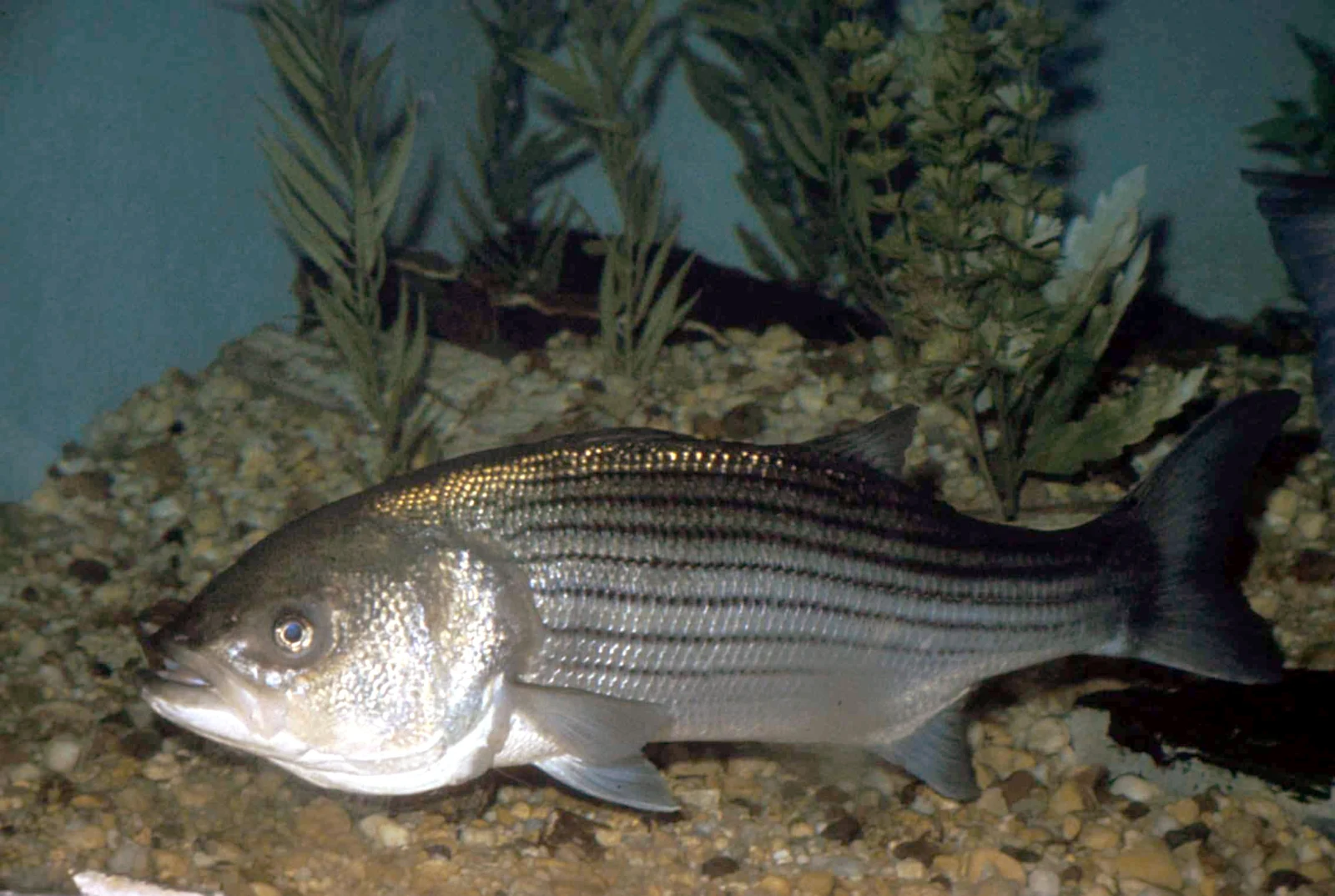
Monmouth County Park System's account of striped bass describes fish moving again as autumn water cools, with baitfish such as juvenile menhaden and silversides in bays and rivers. That historical account supports autumn as a learning window; it does not predict the precise timing, location or strength of the 2026 run.
The practical consequence is to look for food and fishable water rather than follow a calendar alone. An empty beach can become active when bait approaches, while a famous location can remain quiet. Treat recent observations from a local tackle shop, park staff and your own scouting as clues. Ask when a report occurred, whether it was from shore or a boat and what bait was present. A photograph without a date or location context is poor evidence.
Pick an approachable stretch of coast
For a first trip, choose legal public beach access with a straightforward return route. Sandy Hook and the Monmouth coast, or suitable beaches farther south in Ocean County, are areas to research rather than guaranteed spots. Check the managing park or municipality for opening hours, parking, seasonal restrictions and any night-fishing permit. An angling registration does not replace an access permit. On the review date, Gateway National Recreation Area reported its 2026 Fishing Access Passes sold out; a newcomer should plan lawful daytime access or another permitted option rather than assume an after-hours pass can be bought on arrival.
Scout in daylight before attempting low-light fishing. Look for a trough running parallel to shore, a gap in a sandbar, a point of sand or a change in wave pattern. Breaking waves often reveal shallower bars, while a darker or less-breaking channel may indicate deeper water; glare and changing swell can mislead you. Observe several sets before deciding.
Do not make an inlet jetty your first classroom. Slippery rocks, waves and strong current add hazards that a simple beach session avoids. Stay out of dangerous surf, wear a suitable personal flotation device around exposed water and plan a dry retreat. Fish can be close to shore; wading farther is not automatically useful.
A balanced example surf outfit
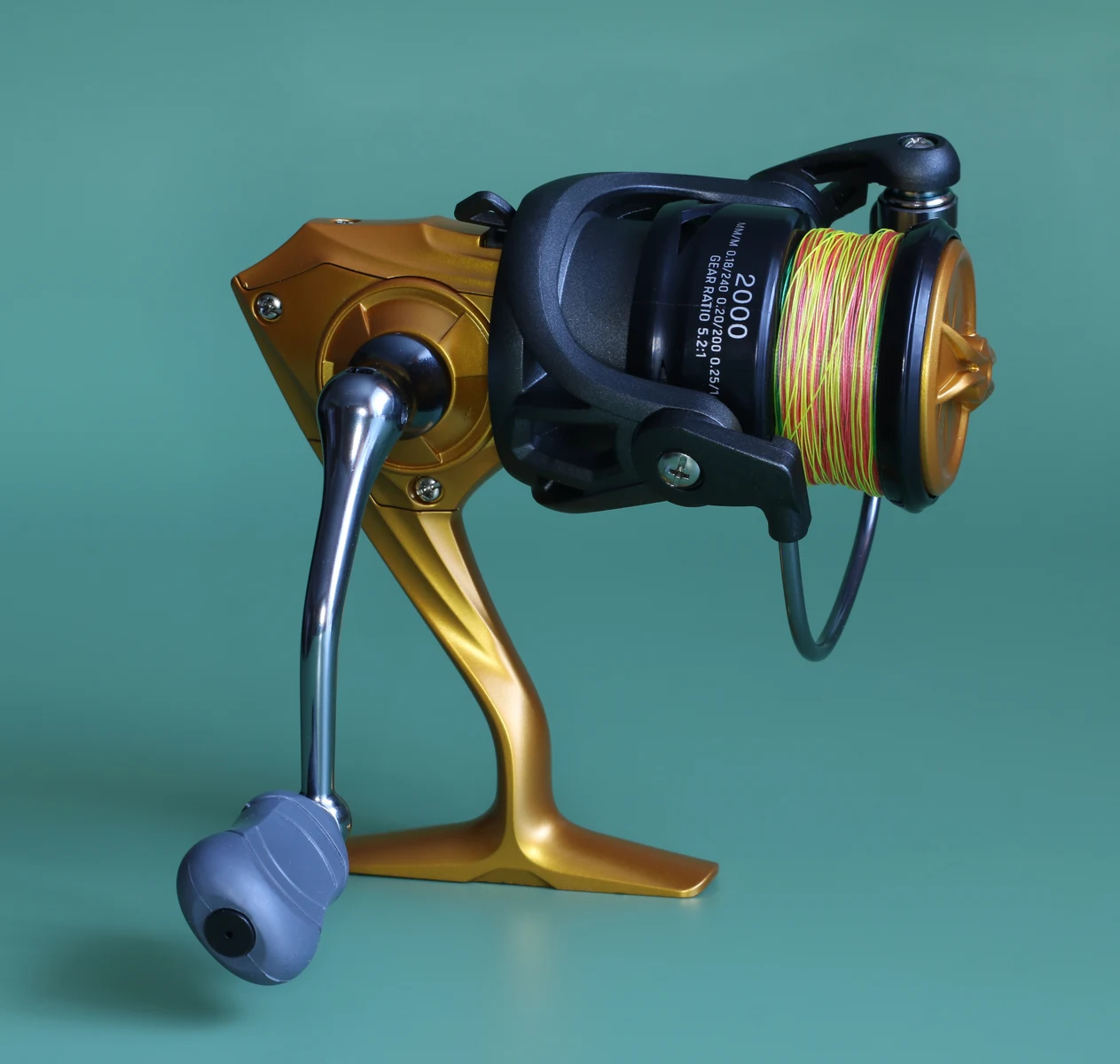
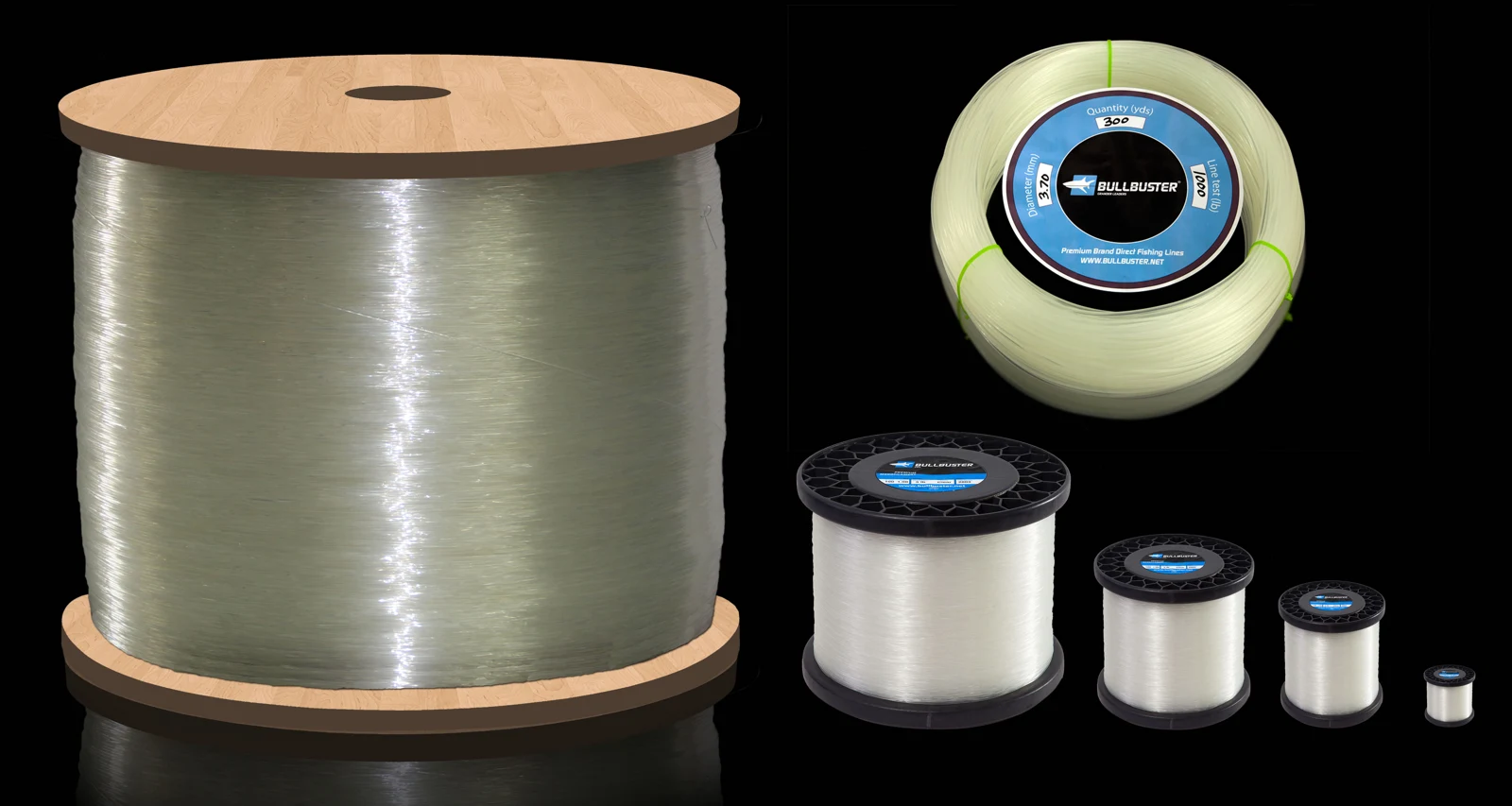
For moderate conditions and lures weighing roughly 20–70 g, an example is a 9–10 ft surf spinning rod rated to cast the actual lure weight, a corrosion-resistant 4000–6000-size reel, 20–30 lb braid and a 30–40 lb monofilament or fluorocarbon leader. These are starting ranges, not a universal purchase list. Reel sizes differ among brands, and heavier surf, large plugs or heavy bait sinkers require another matched setup.
Use a leader connection you can tie and test reliably. An Alberto or carefully tied double-uni can be approachable; an FG knot is useful only if you can tie it correctly. Trim and inspect the connection, then test it under controlled tension with hooks kept clear. Recheck after abrasion or a difficult landing. Never wrap braid around your hand to pull a snag.
Start with three lure types rather than twenty colours: a slim swimming plug for shallow searching, a paddle-tail soft plastic on interchangeable jigheads and a metal lure for situations needing extra casting distance. Choose sizes that resemble the bait you observe. Single-hook lures can simplify handling; if changing a plug's hooks, preserve appropriate hook size and balance and test its action first.
Read the first twenty minutes
Spend a few minutes watching before casting. Note wind direction, wave height, water clarity and any bait flickering in the wash. Birds working a patch of water may indicate food, but birds do not prove striped bass are present. Avoid casting at birds or through a dense flock.
Start close. Fan several casts across the near trough before trying the outside bar. A slim swimmer should run with a steady wobble rather than tumble or race across the surface. If it loses action in current, reduce retrieve speed or choose a lure suited to that water. Work it until close to shore, then lift safely without swinging exposed hooks toward yourself or another person.
With a paddle-tail, cast slightly across the flow, close the bail by hand and take up loose line. Allow a controlled descent, then retrieve steadily or with modest lifts and pauses. Change jig weight to maintain the intended depth. Constant bottom contact and snagging suggest too much weight, too long a pause or the wrong angle. A lure racing above the fish may need a slower retrieve or more depth, but change one variable at a time.
A simple bait alternative
If you prefer bait, ask a local shop for a matched surf outfit and a compliant sliding-sinker rig for the conditions. A typical layout places a sinker slide on the main line above a bead and swivel, followed by an abrasion leader and an inline circle hook. The sinker must hold safely without exceeding the rod's rating; the bait and complete rig count toward casting weight.
NJ Fish & Wildlife requires non-offset circle hooks when fishing for striped bass with bait. Match hook size to the bait so the hook gap and point remain clear; do not bury the entire hook in a large chunk. Keep the line controlled and respond to a sustained take by winding smoothly until pressure builds. A violent strike can pull a circle hook away before it reaches the jaw. Practise the sequence before fishing and follow current agency guidance.
Do not leave a bait rod unattended or spread lines across other anglers' access. If bait disappears without clear bites, inspect more often and use a smaller, better-secured presentation. If current drags the rig through neighbouring lines, stop and change location or tackle rather than continuing to create tangles.
Time the session around usable conditions
Low light can be worth testing, but a first outing is easier to learn in daylight. Choose a period when the surf, access and forecast are manageable, then compare the stage of tide over later visits. The published time of high water does not tell you the exact current speed at every beach or inlet. Wind, swell and local geography affect the presentation.
An onshore wind may bring food within reach but can also make conditions unsafe or unfishable. An offshore wind can improve casting distance without making a beach productive. Avoid simple rules that one direction is always best. Check the official marine forecast and warnings, and abandon the session if visibility, lightning, surf or access deteriorates.
Diagnose the common problems
- No sign of life: cover several accessible features with controlled casts, then move safely; do not spend the whole session changing colours at one empty spot.
- Fish follow but do not take: compare bait size, retrieve speed and depth, changing one at a time.
- Repeated tangles: close the bail by hand, remove slack before retrieving and check for a loose loop on the spool.
- Lost fish: inspect hooks, knots and leader, maintain steady pressure and avoid tightening the drag in panic.
- Exhaustion from casting: reduce lure weight within the outfit's range, shorten casts and take breaks; accuracy matters more than maximum distance.
Rules and release before the first cast
Check the current New Jersey marine regulations and Saltwater Recreational Registry requirements for your circumstances. Confirm the open water, current size and possession rules, measurement method and any special programme conditions. Do not use an old catch photograph or an old printed slot limit as authority. Charter, river and ocean circumstances can differ, and federal-water restrictions require separate attention if you later fish from a boat.
Prepare pliers, a line cutter and a wet measuring surface before fishing. Land fish efficiently without dragging them over dry sand. Wet your hands, support the body horizontally and keep fingers away from gills. Release in the water whenever practical and safe; if a hook is deeply embedded, avoid prolonged extraction and follow agency advice on cutting the leader. Prepare a photograph before lifting a fish and keep any air exposure brief.
Your first-session checklist
- Confirm legal access, registration, regulations and the marine forecast.
- Carry a matched rod, three useful lures, spare leaders, pliers and a protected phone.
- Scout the beach and choose two or three features you can reach safely.
- Begin close, compare two depths and record the tide stage and visible bait.
- End with one observation and one adjustment to test next time.
A good autumn session teaches you how a beach changes and how to keep a lure in useful water. A catch is welcome, but understanding the cast is what makes the next visit more informed.