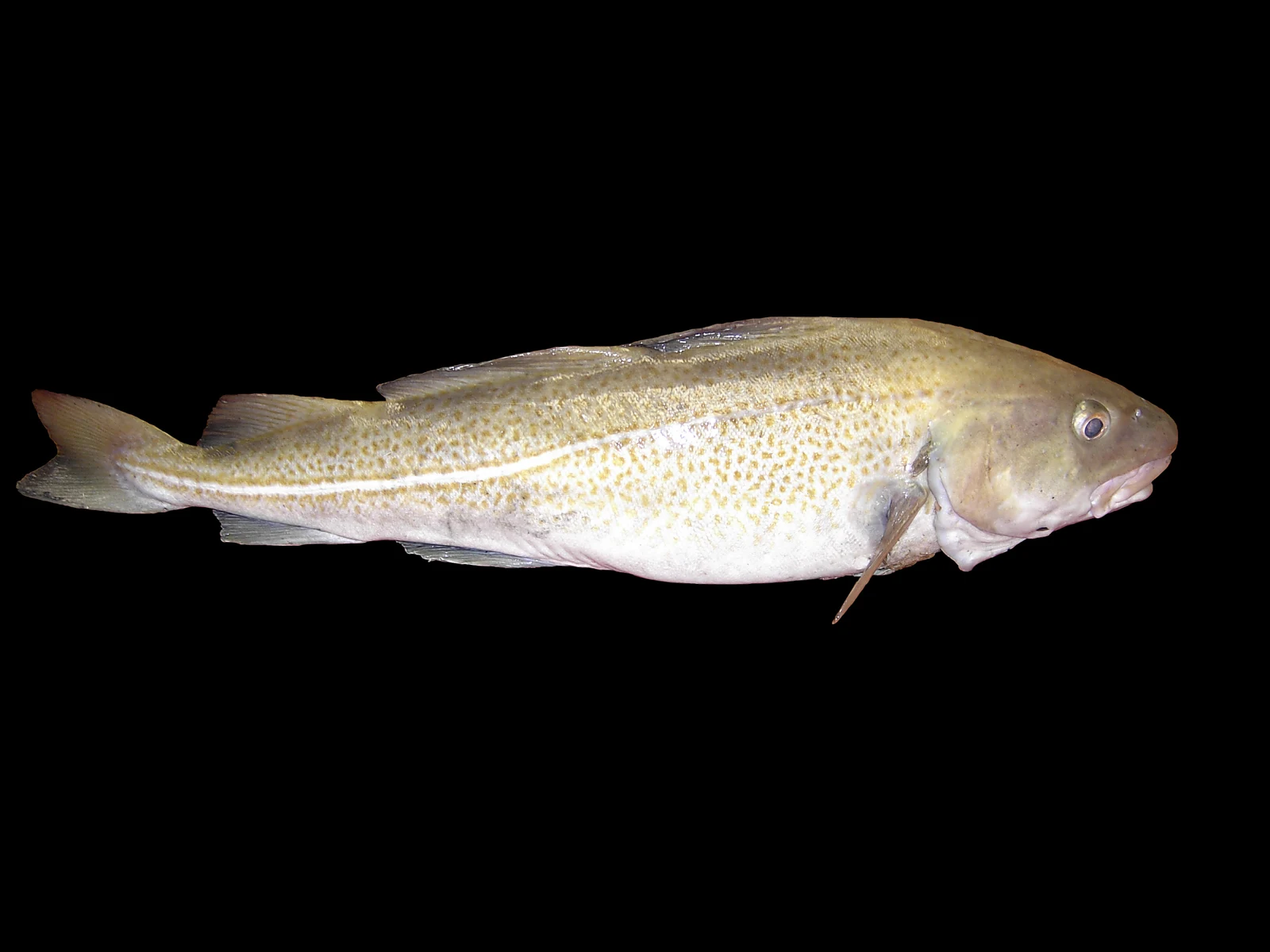
Skrei fishing is an opportunity to plan for winter, not a reason to expect a guaranteed catch. Skrei are migratory Atlantic cod associated with the Norwegian-Arctic stock, arriving from the Barents Sea to spawn along the Norwegian coast. Visit Norway identifies January–April as the normal planning window in the north, with Lofoten among the best-known settings.
This guide is prepared in October 2026 for the approaching winter and spring 2027 season. It explains a guided boat-fishing approach around northern Norway, especially Lofoten. It is a seasonal learning guide, not a live catch report. Fish distribution, weather, access and regulations must be checked for the actual trip.
Choose the right trip and the right harbour
A first winter visit should begin with an experienced local skipper and tackle supplied or approved by the operator. Ask which harbour the trip uses, how long the boat normally travels and how much shelter the intended grounds offer. Svolvær or another Lofoten base is a starting point for research, not a promise that the fish will be close to that harbour on your date.
Explain your boat experience, mobility and comfort with cold weather. Ask whether the outing is a teaching trip or a boat with many anglers sharing limited space. Confirm protective clothing, flotation equipment, cabin access, toilet arrangements and the weather cancellation policy. Leave a spare day where possible, and avoid making a long transfer depend on the boat returning at a precise minute.
A rental boat and a winter charter are different undertakings. Familiarity with a small lake boat does not prepare someone for Arctic coastal navigation, cold-water immersion, changing visibility or strong tidal flow. For this first-trip plan, let the skipper handle navigation and the decision to depart.
Why the season matters, and where the fish may be
The useful seasonal clue is the migration, not a particular water-temperature number or a promise of giant fish. The concentration and timing vary along the coast and from year to year. Ask your skipper what recent local observations show and whether the proposed method remains suitable; a seasonal tourism page cannot establish today’s depth or catch rate.
From the boat, learn how depth, current and the position of fish on the sounder shape a drift. Cod may be close to the bottom or above it. Dropping a lure to the seabed indefinitely is not a substitute for finding the depth at which fish are holding. Ask the skipper to identify the target depth and explain whether to remain near bottom or work higher through the water.
Also ask what is being caught besides cod. Repeated undersized fish or sensitive bycatch is a reason to change location or approach. More drops at the same depth are not automatically the right response.
A practical outfit to discuss with the skipper
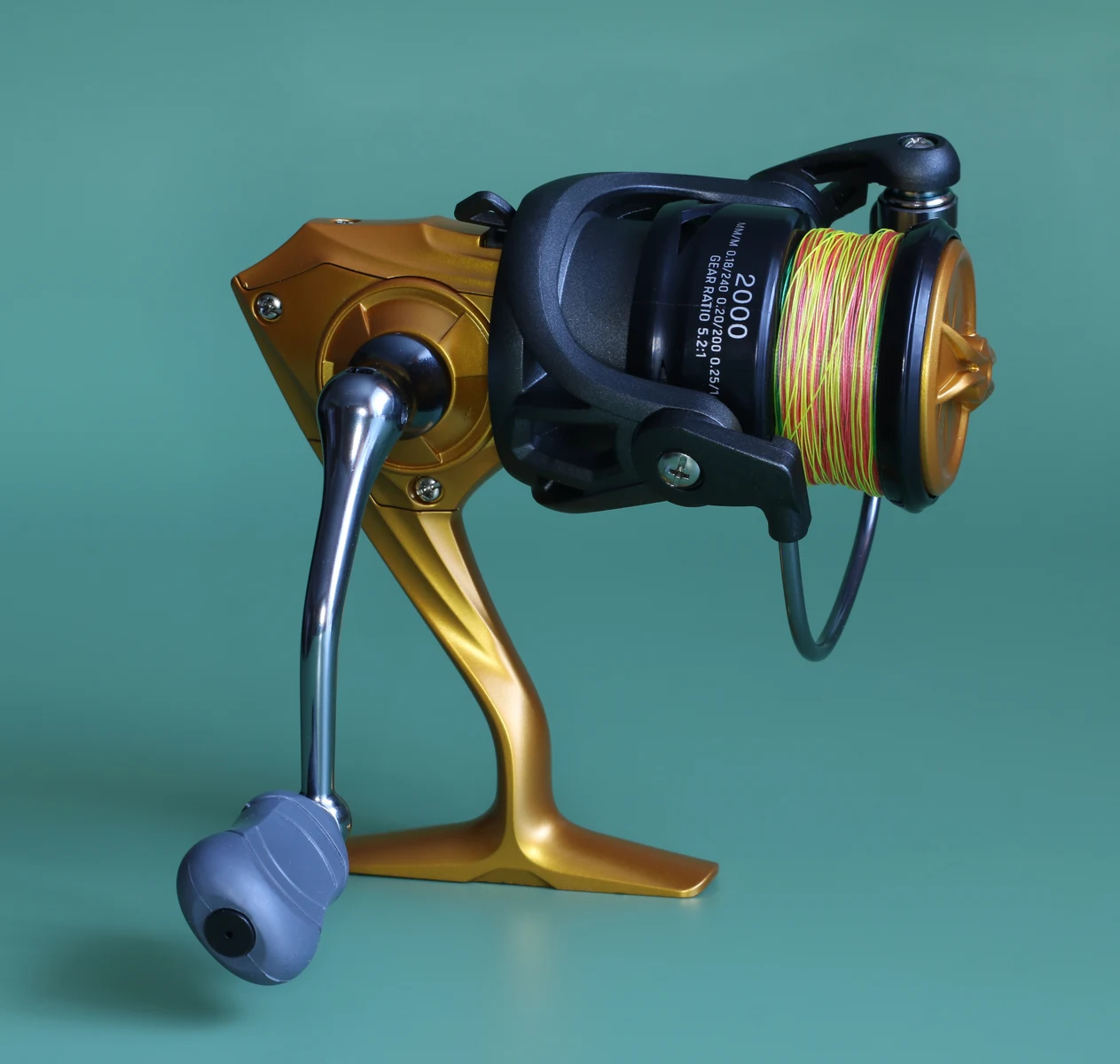
An illustrative conventional setup is a boat rod around 1.8–2.1 m in a suitable 20–30 lb class, a matching reel with a reliable drag, approximately 30–50 lb braid and an abrasion-resistant monofilament leader around 60–100 lb. These ranges are a starting conversation, not a universal shopping prescription. The rod must be rated for the actual jig weight; line class alone does not tell you that.
Jig weight depends on depth, current, line diameter and drift. Local Lofoten fishing operators commonly discuss pilks around 300 g and heavier, but that does not mean every outing needs the same weight. Use enough weight to reach and control the intended depth without dragging far behind the boat. If the skipper changes grounds or the drift strengthens, the appropriate weight may change too.
A simple pilk or large soft-plastic jig with a suitable hook arrangement is easier to manage than a long multi-hook rig when learning. Ask for the least complicated legal setup that suits the day. More hooks mean more points to keep clear of clothing, other anglers and fish during landing. Have the crew inspect knots, swivels, clips and the leader before the first drop, and replace any damaged component.
Set up before the boat reaches the drift
Ask the skipper to demonstrate the reel controls and set the drag for the complete outfit. Practise engaging and disengaging the spool without releasing a lure onto the deck. Keep braid away from bare fingers under tension and never wrap line around your hand. Heavy jigs should remain secured until the crew gives the instruction to fish.
Choose a stable stance and learn where to put the rod when moving. Know which side of the boat you will fish, how the crew wants tangled lines reported and who will land a fish. Prepare pliers, cutters, the net or other appropriate landing equipment and the release plan before a fish is attached.
Work a controlled vertical presentation
Lower the jig under control, keeping enough contact to avoid an uncontrolled overrun. If the skipper calls for bottom fishing, recognise first contact, stop paying out line and wind the lure clear. Repeatedly dropping loose coils onto the seabed creates tangles and snags.
Begin with short, measured lifts and controlled descents. Pause occasionally while retaining contact. A bite may register as added weight, a tap or an unexpected change during the fall. Maintain tension and follow the crew’s instruction for setting the hook with the particular rig. Violent, continuous overhead jerking is tiring and can make a heavy lure difficult to control.
Watch line angle. If the lure trails far behind and you can no longer judge its depth, retrieve and reset when told. Paying out ever more line increases tangles and may put the jig well away from the fish. The solution may be a different weight, a shorter drift or a new position selected by the skipper.
If fish are marked above the bottom, work the instructed depth instead. A reel with a line counter or marked braid can help, but only if you understand the units and calibration. Ask how many turns or marks correspond to the suggested range rather than guessing.
Fight and land a cod efficiently
Keep a steady bend in the rod and wind when the fish allows it. Let the drag work during a strong run. Avoid pumping the rod to an extreme angle or trying to lift a heavy fish aboard by the rod and line. Tell the crew early when a fish is close so the landing area and adjacent lines can be cleared.
Do not deliberately prolong the fight for entertainment. Once the fish reaches the boat, follow the agreed handling plan with tools ready. Keep hands out of gills and avoid squeezing the body. If a photograph is appropriate, prepare the camera first and keep handling brief; the fish should not wait while people search pockets and change places.
Decide on retention and release before fishing
Ask the skipper how a legal fish will be measured, identified, humanely dispatched if retained, chilled and recorded. Stop targeting more fish once the agreed lawful harvest is complete rather than treating an export allowance as a target to fill. A damaged or protected fish does not become legal to retain merely because release is difficult.
Cod brought from depth can suffer pressure-related injury, or barotrauma. Research by Ferter and colleagues in the ICES Journal of Marine Science supports minimising fight exhaustion and handling, and highlights the importance of a fish returning promptly to depth. It does not prove that every released cod survives or that deep-water catch and release is harmless.
Before departure, ask whether the crew has an appropriate descending device and knows when and how to use it if a fish cannot submerge. Do not improvise by puncturing a fish or pushing protruding organs back inside. If releases repeatedly go badly, change the fishing plan rather than continuing to generate the same problem.
Read northern rules and the correct travel-year export rules
Norway’s Directorate of Fisheries requires tourist anglers to follow minimum sizes, protected-species rules and local restrictions. Registered fishing camps have catch-reporting obligations; confirm what information the crew needs from you. A northern cod trip is not permission to target cod everywhere in Norway: the Directorate lists cod protection in the Oslofjord and seasonal southern protected areas.
For a trip in 2027, the export rule differs from 2026. The Directorate’s page, checked on October 20, 2026, states that from January 1, 2027 the allowance becomes 10 kg of fish or fish products, usable twice per calendar year, for eligible tourists fishing through a registered camp. It also specifies eligibility and individual documentation requirements. Recheck that page before travel; the allowance is an export limit, not a daily catch limit or a reason to harvest unnecessarily.
Troubleshooting and a first-session checklist
- Cannot feel the jig: ask whether its weight and line angle suit the drift; reset under the skipper’s direction rather than continuously feeding line.
- Constant snags: establish bottom once, then fish clear of it; shorten the drift or change presentation with the crew.
- Repeated tangles: simplify the rig, keep the drop controlled and coordinate resets with nearby anglers.
- No bites: confirm fish location and depth before changing lure colour; a quiet drift does not prove the whole area is empty.
- Cold hands or poor balance: stop fishing, secure hooks and warm up. Fatigue is a reason for a break, not a challenge to push through.
Pack insulating layers, waterproof outerwear, non-slip footwear, spare gloves and the protective equipment agreed with the operator. Keep food, water and necessary documents accessible. After the trip, record the harbour, fishing time, approximate depth, jig weight, drift conditions and handling lessons. Understanding one controlled drift is a meaningful achievement, whether the season produces your hoped-for cod or simply a stronger foundation for the next trip.