At Embalse La Plata, put your first cast beside something you can fish all the way back to shore. A strip of open water next to a bush or a point that turns into deeper water lets you test two different speeds from the same bank. Crawl a Texas-rigged worm beside the cover. If the water is open enough and small fish move along the bank, use a compact spinnerbait to search the edge before changing spots.
Start from the refuge and find a clean lane
The public access to plan around is the Embalse La Plata Wildlife Refuge in Toa Alta, Puerto Rico. The Department of Natural and Environmental Resources has documented shore fishing at the recreation facilities. Confirm the current opening and any posted limits on where you can stand before leaving. Older reopening announcements describe arrangements at the time, so use the current refuge information for hours. This guide assumes stable, authorized bank access. It does not depend on fishing from the ramp or walking across newly exposed mud.
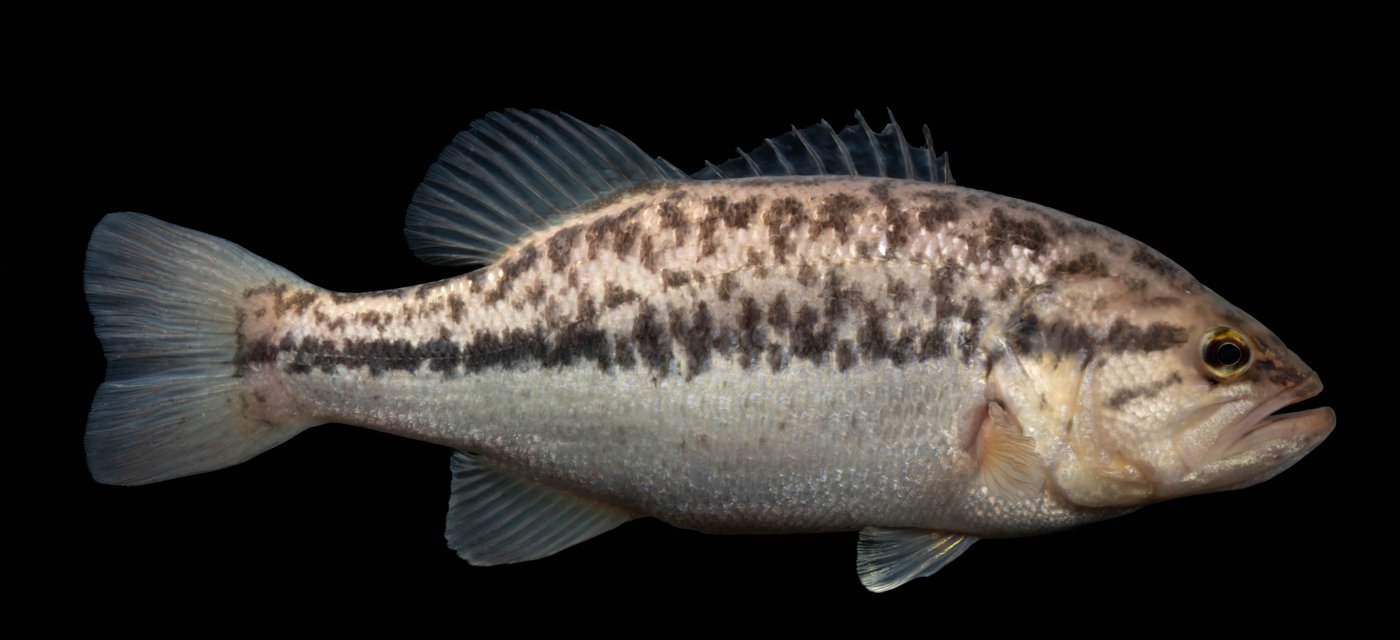
Largemouth bass are the *lobina* identified as *Micropterus salmoides* in the Puerto Rico freshwater fisheries programme. They originate from mainland North American waters and were introduced to Puerto Rico. A largemouth has a broad jaw that usually reaches beyond the rear of the eye when closed, a greenish flank and a dark side band that can be broken or faint. Tucunaré, or peacock bass, are also reported at La Plata. Their stronger bars and conspicuous eyespot near the tail on many fish help distinguish them from lobina. Identify the fish in hand rather than calling every fast strike a largemouth.
Adult largemouth eat small fish and can also take crayfish and other prey. Younger fish use more small invertebrates as they grow. Visible small fish at La Plata can indicate a feeding lane without establishing what species the bass are eating. The strike zone may be the shaded edge of a branch where a fish can wait, or the open corner where that edge ends. On a falling reservoir, inspect the first depth change below stranded cover. When water is high and stable enough to cover the base of bank vegetation, try its outside edge before casting to the middle.
Start early enough to compare the first shade with a brighter part of the morning, within current opening hours. A breeze blowing along an open edge can make baitfish movement easier to see and help a moving lure work, but it can also bow the line so much you miss a falling bait's bite. If recent rain colours the shallows, try a quiet edge at the boundary rather than assuming the whole reservoir has the same visibility. There is no tidal bite clock at this inland water. Watch changes in light, lake level and forage for reasons to move.
| What you find | Start with | Change when |
|---|---|---|
| A single bush with a clean outside face | Texas worm, short parallel cast | Shorten the pause or change angle if the bait hangs |
| Wind along a point with moving bait | Compact spinnerbait | Slow it and lower the tip if it rides above the fish |
| Still, clear shallow water and no chase | Lighter Texas worm | Test the shaded corner before changing colour |
| Fouled hook or frayed leader on repeated passes | Reset outside the cover | Move if you cannot retrieve clear of it |
Rig a worm you can crawl without burying it
Start with a 6½–7½ ft medium or medium-heavy rod, 2500–3000 spinning reel or comparable baitcasting reel, and 12–20 lb braid. Add 60–100 cm of 10–15 lb mono or fluorocarbon leader. Slide a 1/8–3/16 oz bullet sinker onto the leader, narrow end first, and tie a 2/0–3/0 offset worm hook. Thread the hook into the head of a 4–5 in straight or slender worm, bring the point out, slide the head onto the offset, rotate the hook and reinsert the point just under the skin so the worm hangs straight. Use the lighter weight where you can feel the drop. A small peg can keep the sinker and bait together near scattered branches, but leaving the sinker free is a useful start on a clean bottom.
Cast slightly past the outside of the cover and stop the line so the rig lands without piling up slack. Let it fall on a controlled bow. Once it touches, move it with a 4–8 in rod pull, wind the slack and pause for a few seconds. If the line stops falling early or moves sideways, wind down. With a buried-point worm hook, sweep firmly when the weight feels alive. Avoid pulling at each contact. A repeated stop in exactly the same place may be a branch. Back off, then use the next cast to fish its open face. In clear water, try brown or muted green. In stain, a darker silhouette is a useful test after you have settled the depth.
Cover open water with a spinnerbait
On the same outfit, tie on a compact ¼–⅜ oz spinnerbait with a single hook around 2/0–4/0. Match the lure to the rod rating and tie directly to the closed eye or loop indicated by the lure maker. Avoid adding a trailer hook around wood. A small willow blade gives a narrower profile and relatively little lift. A rounded blade can be easier to feel at a slow pace in coloured water. Start with white or a muted baitfish skirt and choose a stronger contrasting skirt if visibility is poor. Test at the same angle so a blade or colour change does not hide a depth change.
Cast slightly across the open part of a point and start the blades with a brisk turn, then slow down until you feel a steady pulse. If the lure skims too high, lower the rod or let it settle for a beat before starting. When it regularly hits a branch, redirect the cast before trying to pull it through. A fish may simply stop the blade vibration. Wind into the weight and sweep, then steer the fish away from the cover. Lead it into a wet net at a spot you chose before casting.
Read the bank in layers if the water level has changed. Start with the shallowest line you can fish from stable ground, then aim just beyond the first drop. A bare line left by higher water can help you see the slope and choose a depth to test. When the worm reaches the slope, keep the next pull short enough that you can feel where the bottom changes. If it keeps rolling toward a snag or into an inaccessible opening, pick it up, move along the legal bank and cast along the contour. A longer cast is useful only if it gives you a clearer route.
Give the spinnerbait a fair depth comparison before changing blades. On the first cast start winding immediately. On the second, let it settle briefly with the rod pointed toward the line and then use the same retrieve speed. A bite or follow on only the lower pass gives you a depth to test again. If the lure consistently touches bottom before it reaches the corner, use a higher tip or a lighter head. If it comes back clean but you see no forage or shade, return to the worm beside isolated cover. Two rigs teach more when both spend time in the same useful water.
One Toa Alta bank session
Suppose the first stretch has shade on a bush but a clean pocket beside it. Fish the pocket first with the light Texas rig. A short cast lets you follow the worm down and decide whether a sideways line is caused by wind or a fish. If the next cast to the same opening stops in the same place, move your feet and work its opposite edge. Then walk to an exposed corner where small fish flick the surface. Make three spinnerbait passes, first high enough to clear everything, then slightly deeper. If the wind takes the line before either rig reaches the lane, walk to the lee rather than spending the session adding weight. A clean cast with no bite is still evidence about the lane. An unfishable cast tells you only to change position.
Check Puerto Rico DRNA's current refuge access, licensing guidance and freshwater size and bag rules before the trip. Avoid unstable shore and thunderstorms, and keep any released fish wet and supported.