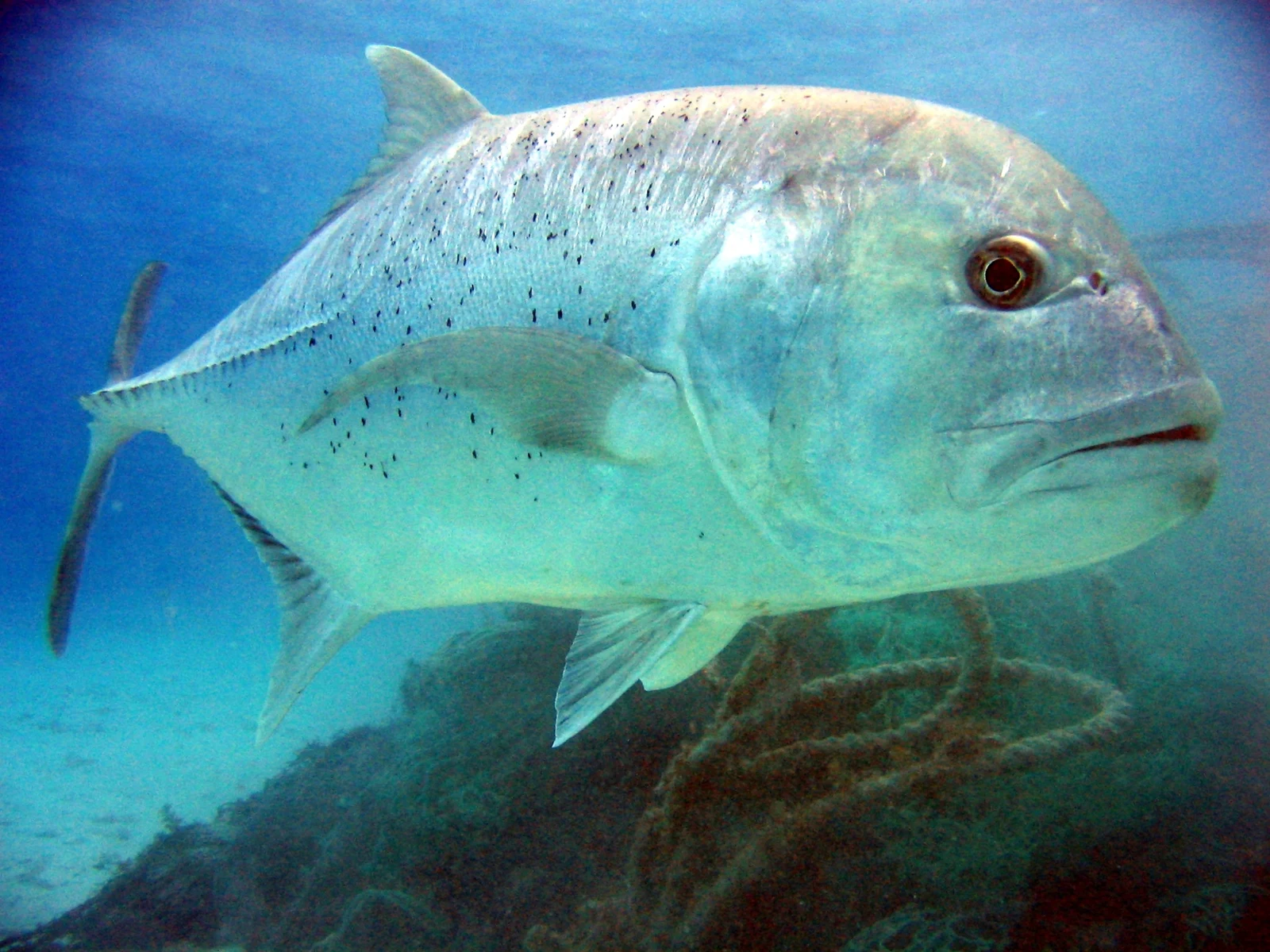
Southern Oman's giant trevally fishery is a demanding opportunity as the autumn season develops. The sensible goal is to arrive with the skills, tackle and expectations to make a good cast when the opportunity comes. A dramatic surface strike cannot be scheduled. This guide focuses on guided boat fishing from Hasik and around the Hallaniyat Islands, not shore exploration or a do-it-yourself offshore crossing.
Why this fishery belongs on the autumn planning list
Fishing Oman Hasik highlights October–November and March–April for large GT, within a broader September–April season, and notes that December and January can be windy. Arabian Sport Fishing describes an October–April season from Hasik. Those first-party operating patterns support an autumn planning window as of October 20, 2026. They are not evidence of a live hot bite or guaranteed fishable days.
No Boundaries Oman makes another useful distinction: very large GT do not mean high numbers of GT. Plan for repeated casts, quiet sessions and changing conditions. If your holiday depends on constant action, ask for a mixed-species alternative before booking. A giant-trevally expedition is better suited to an angler who wants to refine a demanding technique than someone expecting an easy first fish.
Know the water you are trying to cover
Ask the captain to explain the chosen feature before the first drift. A visible rocky edge, the end of a reef, a current boundary or nearby bait activity can provide a reason to cast. What matters is the route the lure will take and whether a hooked fish can be controlled in that setting. A famous island name is not enough information.
The boat position determines your casting angle. The captain may set up so the lure crosses a feeding lane while the boat remains clear of hazards. Do not demand a closer approach because you cannot reach the target. Tell the crew your comfortable casting distance and use an appropriate drift or less demanding target. Breaking water and rock are decisions for a qualified local skipper, not instructions to get as close as possible.
Build one complete heavy-tackle system
No Boundaries recommends very heavy topwater equipment and barbless hooks for this fishery. Ask your chosen operator for its current complete list and have it approve every component. A strong rod attached to a weak split ring is still a weak system. Supplied equipment is often more useful than an expensive collection assembled without local input.
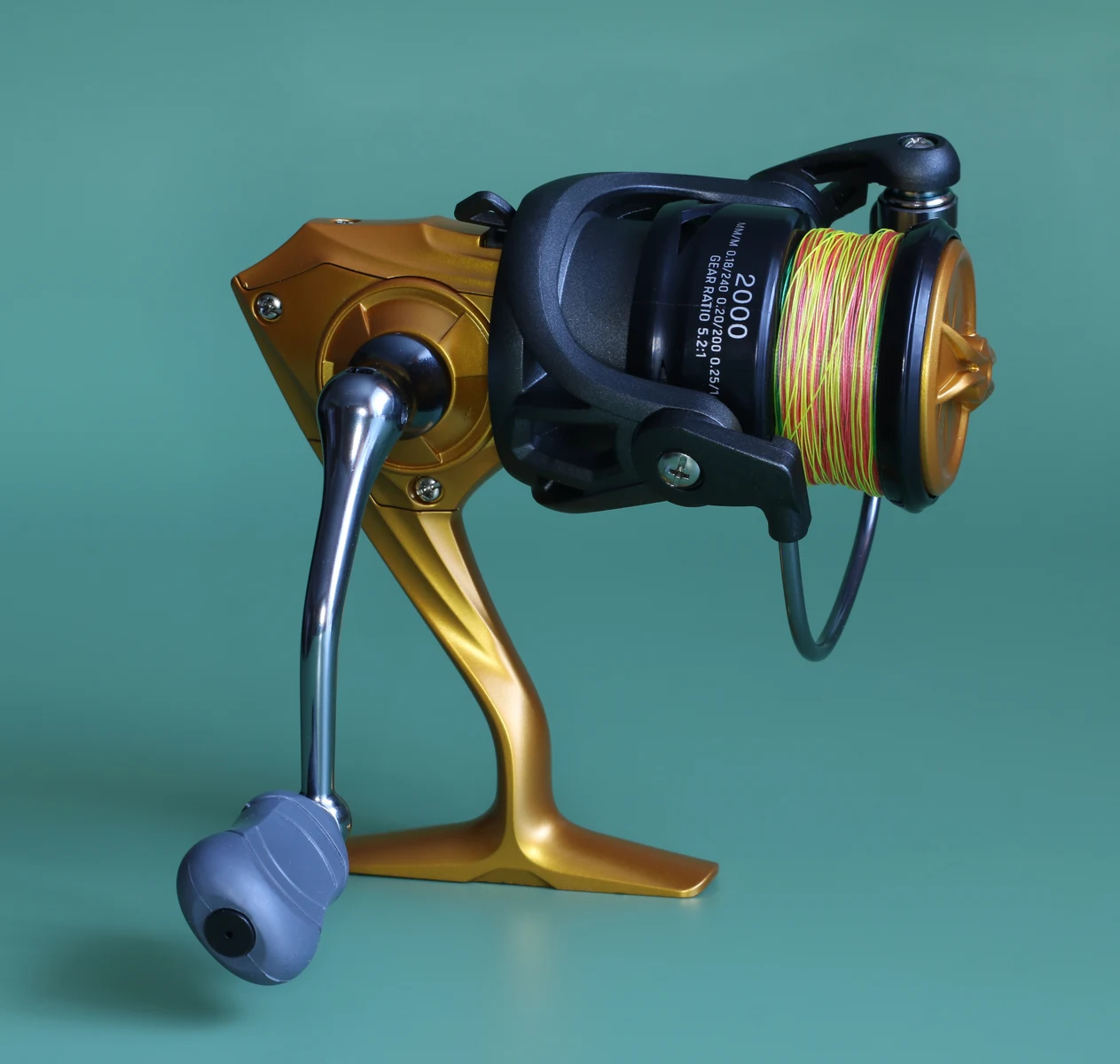
For scale, an example outfit to discuss is a dedicated popping rod around 2.3–2.5 metres rated in the PE8–10 class, a large saltwater spinning reel matched to that rod, braid around the 100–130 lb class and an abrasion leader around 200 lb. These are planning ranges, not a universal minimum or a guarantee that your reel or knot is suitable. PE is a line-size designation and does not convert to one fixed breaking strength across brands. The actual lure rating, drag limit and crew's specification take priority.
Nomad Design's GT rigging guidance stresses robust terminal hardware. Use rated solid rings, split rings and appropriately sized strong hooks approved for the lure. Changing hook weight can change how a floating lure sits or swims. Ask the crew to check both hardware and action rather than fitting the largest hook available.
Have your leader connection demonstrated, practise it ashore and test it under controlled conditions with hooks removed from the test setup. Do not improvise with an unfamiliar knot just before a drift. Check for damaged braid, leader abrasion, loose reel seats and bent hooks between sessions.
Choose a popper and a stickbait for different jobs
A popper's cupped face moves water when pulled. A stickbait works through its swimming or sliding action. Neither is automatically better. Begin with one of each that fits the rod's casting range and that the guide can teach you to operate. A small, well-understood selection is easier to fish consistently than a box of unfamiliar shapes.
Nomad's manufacturer guidance describes deliberate pops with pauses and controlled contact. Practise beside the stationary boat in a safe direction: pull the popper through a short stroke, recover slack, pause and repeat. If it continually tumbles or skips without gripping water, adjust rod angle and force. Your aim is a repeatable disturbance, not maximum effort on every pull.
A stickbait needs its own rhythm. Watch the guide demonstrate the specific lure and then imitate it at short range. Some need slack to glide; others work with a steadier retrieve. Do not assume the retrieve for one wooden lure will make another lure swim correctly. Check the lure after changing hooks or leader hardware.
Work a drift methodically
Before the cast, look behind and beside you, confirm the other angler's position and wait until the crew says the lane is clear. Heavy lures carry exposed hooks and considerable momentum. Use a smooth controlled cast rather than a desperate overhead heave, and keep a casting finger protected with appropriate equipment.
Land the lure beyond or beside the intended feature when the captain's plan permits it. Remove excessive slack and begin the chosen retrieve. Keep enough contact to know what the lure is doing while allowing the action it requires. Continue through the useful lane instead of rushing the last half of the retrieve because the cast began poorly.
After several casts, assess presentation before switching colours. Are casts reaching the right lane? Does the lure remain stable? Is the boat drifting past the feature before the retrieve arrives? Adjust angle or timing with the captain. If a fish follows, keep working the lure as directed rather than immediately ripping it from the water or making another cast over it.
Respond to the bite and fight within the system
Discuss the strike procedure before the first fish appears. The initial splash is not always a hooked fish. Maintain control and follow the guide's instruction as the line comes tight; frantic repeated strikes can throw you off balance or overload equipment. A practiced response is more useful than trying to remember advice during the commotion.
Set drag with the crew using a scale and a load appropriate to the complete outfit and your ability. Do not simply tighten to the reel's advertised maximum. Keep a stable stance and avoid lifting the rod into a steep, high-sticking angle. Recover line when possible, and tell the captain promptly when the fish changes direction or heads toward structure. Never wrap braid or leader around your hand.
The skipper may reposition the boat to improve the angle. Follow directions and keep clear of other rods and loose tackle. A fish under the hull is a time for calm communication, not leaning dangerously over the side. Let trained crew take the leader and manage the landing or in-water release.
Prepare the release before departure
Confirm that the boat carries suitable dehooking tools and a landing or support system sized for the fish. No Boundaries describes careful handling with wet slings and release. Ask your own operator how its process works rather than assuming the same equipment is universal.
General fisheries handling guidance supports minimising air exposure, using wet hands where handling is necessary and supporting the body. Keep photography brief and preferably in the water when practical. Do not suspend a large fish by its jaw or gills. If a fish must be brought aboard, the crew should have the wet support area ready before it arrives. The fish's condition should determine whether a photograph is attempted at all.
Check permission and weather for this specific trip
Gov.om lists a recreational fishing licence service for boat and tourist-vessel rod-and-line fishing. Confirm your visiting-angler arrangement with the operator and the Ministry of Agriculture, Fisheries Wealth and Water Resources. Ask about permitted areas, species restrictions and reporting requirements for the actual itinerary. A general online licence description does not establish that every visitor or island location is covered.
Use Oman's official marine weather information and the skipper's go/no-go assessment. The southern monsoon affects operations, but winter winds can also prevent island access. Keep a flexible day and settle the cancellation policy. Confirm the land transfer from Salalah to your exact base, rather than treating all southern Oman lodges as neighbours.
A useful first-day plan and troubleshooting checklist
Begin ashore with tackle inspection, knot practice and a realistic casting assessment. On the first suitable drift, focus on one lure and one clear target lane. Pause between sessions to inspect leader and hardware, drink water and discuss what the boat position is doing. End the day by recording the conditions, lure action and any follows, not just landed fish.
- Lure repeatedly tumbles: reduce force, check hook balance and have the guide watch a short retrieve.
- Casts fall short: improve timing and choose a workable drift; do not move the boat into danger.
- Arms tire quickly: shorten casting sessions and reassess whether the outfit and trip match your ability.
- Fish follow without taking: preserve the observation, then change one part of the presentation with the guide.
- Repeated tackle failures: stop and inspect the complete system before continuing.
A successful learning day may finish without a GT. It should still leave you with a safer casting routine, a dependable connection and a clearer understanding of why the crew chose each piece of water.